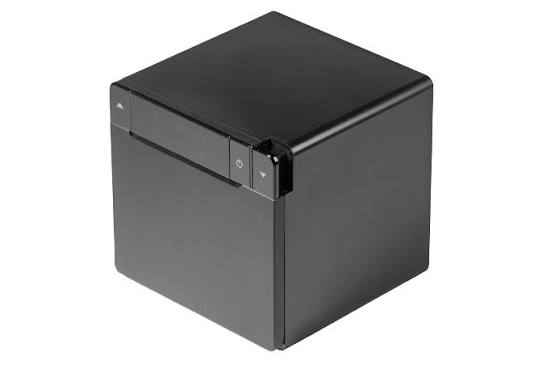

Receipt printers are essential tools for businesses that handle daily transactions, including retail stores, restaurants, supermarkets, hotels, and healthcare facilities. These devices must deliver consistent printing performance, operate reliably, and withstand frequent use. As businesses increasingly depend on digital payment systems and point-of-sale (POS) technology, maintaining high manufacturing standards has become more important than ever.
For manufacturers, product quality involves more than producing a printer that can generate readable receipts. It also includes component reliability, electrical safety, printing accuracy, manufacturing consistency, and long-term performance. Following established quality standards helps manufacturers produce dependable equipment and build trust with customers.
1. Compliance with International Quality Management Standards
A professional manufacturer should establish a structured quality management system to maintain consistency throughout its production operations.
ISO 9001 is one of the most widely recognized international quality management standards. It provides a framework for managing processes, monitoring performance, identifying problems, and improving product and service quality.
For receipt printer manufacturers, applying these principles can help improve several production activities, including:
- Supplier and component evaluation.
- Production process monitoring.
- Product inspection and testing.
- Documentation and record management.
- Customer feedback and corrective actions.
An effective quality management system helps manufacturers maintain consistent production practices while identifying opportunities for improvement.
2. Electrical Safety and Product Reliability
Receipt printers contain electronic circuits, power supplies, motors, and other electrical components. These parts must operate safely under normal working conditions.
Manufacturers should evaluate electrical safety requirements relevant to their target markets. Depending on the product and destination, applicable requirements may include IEC 62368-1, which addresses safety considerations for information and communication technology equipment.
Important areas of evaluation include electrical insulation, protection against overheating, power supply performance, and appropriate component selection.
Manufacturers should also consider applicable regional certification and conformity requirements before exporting products. Meeting the relevant requirements helps reduce electrical risks and supports responsible product distribution.
3. Consistent Printing Quality and Accuracy
Printing performance is one of the most important quality indicators for receipt printers. Businesses need clear receipts containing accurate transaction information, product details, prices, and payment records.
Manufacturers should establish testing procedures to evaluate print clarity, alignment, resolution, and consistency.
For thermal receipt printers, the print head must apply heat evenly to the thermal paper. Poor temperature control or inconsistent pressure can result in faded text, missing characters, or uneven printing.
Quality inspections should therefore evaluate different printing conditions to ensure that products meet their specified performance requirements.
4. Durability and Mechanical Performance
Receipt printers frequently operate in busy environments where they may print hundreds or thousands of receipts over time. Their mechanical components must withstand repeated use without developing frequent operational problems.
Important components requiring durability evaluation include:
- Thermal print heads: Should maintain consistent printing performance over their specified service life.
- Paper-feeding mechanisms: Must move paper smoothly without frequent jams.
- Automatic cutters: Should operate reliably through repeated cutting cycles.
- Motors and rollers: Must support stable paper movement.
- External housings: Should protect internal components from ordinary workplace conditions.
Manufacturers can use repeated-operation tests and suitable environmental evaluations to identify weaknesses before products reach customers.
5. Compliance with Electromagnetic Compatibility Requirements
Receipt printers contain electronic systems that can generate or be affected by electromagnetic interference. This can create communication problems or interfere with nearby electronic equipment if products are not designed properly.
Electromagnetic compatibility (EMC) testing evaluates whether a device operates without producing unacceptable electromagnetic disturbances and whether it can tolerate expected interference.
Depending on the target market and product classification, manufacturers may need to consider standards such as EN 55032 and EN 55035 or other applicable regional requirements.
Proper circuit design, shielding, grounding, and component selection can help improve electromagnetic compatibility.
6. Reliable Connectivity and Software Compatibility
Modern receipt printers often connect with computers, POS terminals, tablets, and other business devices. As a result, connectivity and software compatibility are important aspects of product quality.
Manufacturers should test supported communication interfaces, including USB, Ethernet, Bluetooth, and Wi-Fi, depending on the model.
They should also evaluate firmware performance and compatibility with relevant operating systems, printer commands, and POS applications.
These tests help identify connection failures, communication delays, and printing errors that could disrupt business operations.
7. Environmental and Material Quality Standards
Material selection influences the durability, safety, and environmental impact of receipt printers. Manufacturers should use suitable materials that meet the technical requirements of each component.
Plastic housings, electronic parts, cables, and packaging materials should be evaluated for their intended applications.
For products entering regulated markets, manufacturers may also need to consider environmental requirements such as the European Union’s Restriction of Hazardous Substances (RoHS) Directive and applicable rules concerning electronic waste.
Responsible material management and compliance documentation can help manufacturers address environmental expectations while supporting international market access.
8. Strict Inspection and Quality Control Procedures
Quality control should be integrated throughout the manufacturing process rather than performed only after assembly.
A comprehensive inspection system typically includes incoming material inspection, production monitoring, assembly checks, and final product testing.
Manufacturers should maintain records of inspection results and establish procedures for identifying and correcting defects.
Sample testing, functional inspections, and batch evaluations can help ensure that products meet established specifications before shipment.
9. Packaging and Transportation Standards
Product quality must also be maintained during storage and transportation. Receipt printers contain sensitive electronic and mechanical components that can be damaged by excessive vibration, impact, moisture, or improper handling.
Manufacturers should use suitable protective packaging to reduce transportation risks. They should also evaluate packaging strength and ensure that accessories are securely organized.
For international shipments, packaging and labeling should meet applicable transportation and destination-market requirements.
Choosing a Manufacturer That Prioritizes Quality
Businesses purchasing receipt printers should examine more than product appearance and advertised specifications. It is important to evaluate the manufacturer’s quality management practices, testing capabilities, technical documentation, and compliance with relevant standards.
A reliable Receipt Printer Manufacturer should be able to explain its product specifications, quality inspection procedures, available certifications, and technical support arrangements.
Buyers should request relevant documentation and verify that any claimed certifications apply to the specific products being purchased. Testing samples before placing large orders can also help assess real-world printing performance and compatibility.
Conclusion
Following established quality standards is essential for producing safe, durable, and dependable receipt printers. Quality management systems, electrical safety evaluations, printing performance tests, EMC compliance, and effective production inspections all contribute to manufacturing consistency.
For businesses, choosing a manufacturer that takes these responsibilities seriously can reduce equipment problems, improve transaction efficiency, and support long-term operational reliability. By evaluating manufacturing practices and verifying relevant compliance documentation, buyers can make more confident purchasing decisions.