
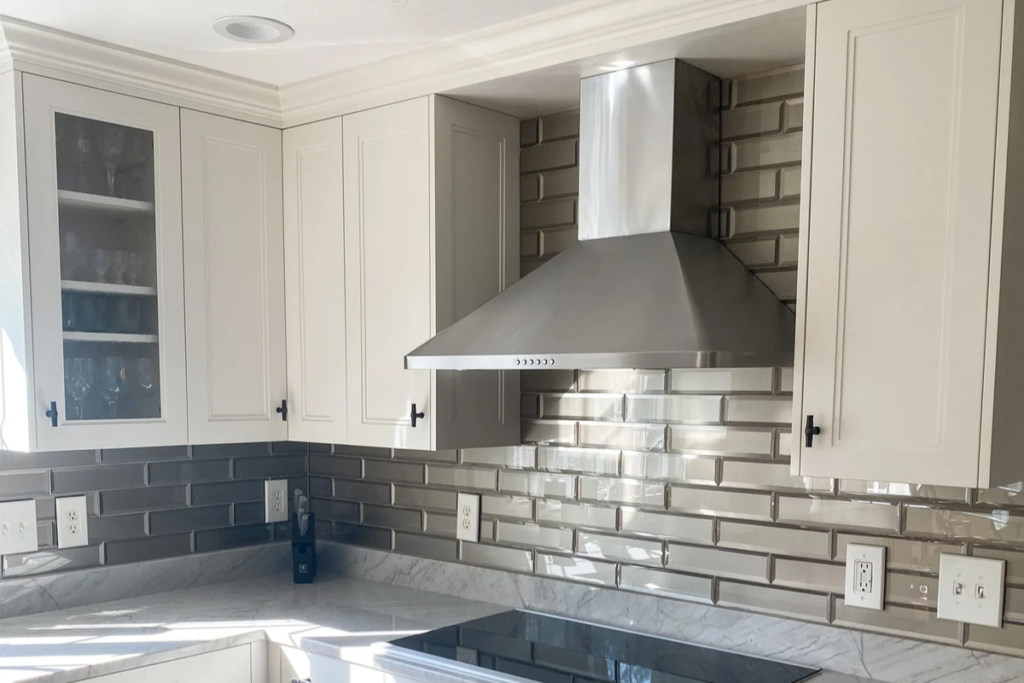
A large cooktop calls for a vent hood that can keep up. When the range is wide, smoke, grease, and cooking odors spread across a bigger area, and a hood that is too small leaves much of that exhaust behind. That is why many homeowners with oversized ranges start by researching a 48″ range vent hood before anything else in the kitchen plan is finalized. The right choice depends on airflow, mounting style, venting method, and materials, not just appearance. This guest post breaks down each of those factors so you can compare options with confidence and avoid common mistakes.
Why Size Matters
Width is the first spec to settle. A good rule of thumb is to choose a hood about 6 inches wider than the cooktop, with 3 inches of extra coverage on each side, which helps capture rising smoke and steam before it escapes. Professional-style 48-inch hoods are built for large ranges and even outdoor grills, and they are made to commercial standards while still fitting a home kitchen. Insert or liner models, often around 46 inches wide, are designed to sit inside a custom hood so that a 48-inch range still gets proper coverage. Measuring the cooktop first makes every later decision much easier.
Understanding Airflow Power
Airflow is measured in CFM, or cubic feet per minute, and it reflects how quickly a hood moves air. Models in the 600 to 900 CFM range suit most home cooks with standard-sized ranges and moderate cooking. The 900 to 1200 CFM range is better for avid cooks or larger ranges that produce more exhaust. Above 1200 CFM, hoods are meant for outdoor grills and professional setups that deal with heavy grease and intense fumes. Some large models reach 2000 CFM, often through dual motors and dual blowers. When choosing a 48″ range vent hood, match the CFM to how you actually cook rather than simply picking the biggest number.
Ducted or Ductless
Venting method matters as much as power. Ducted hoods send air outside, which removes heat, moisture, and odors from the home. Ductless hoods recirculate air through filters, so they suit kitchens where ductwork is hard to install. Some models can convert to ductless with an optional charcoal filter accessory, which adds flexibility if plans change. Because the two systems work differently, it helps to decide on the venting method before selecting a hood, since that choice affects installation and the models available.
Materials and Mounting
Materials affect durability. Premium 304 stainless steel is known for strength and weather resistance, and it is the better choice in humid regions or for any outdoor installation. Outdoor-rated hoods add protection against humidity, rain, and temperature changes, which makes them reliable over the long term for open-air cooking areas. Indoor kitchens can use standard stainless finishes.
Mounting style shapes both looks and performance. Wall-mounted hoods suit ranges against a wall, island hoods hang above a cooktop in the middle of a room, under-cabinet models tuck beneath cabinetry, and insert hoods disappear inside a custom enclosure. Each style works with a 48” range vent hood, so the decision usually comes down to kitchen layout and design goals.
Conclusion
Selecting the right hood comes down to a handful of practical choices: coverage, airflow, venting method, materials, mounting style, and sound level. Taking time to evaluate each one prevents costly surprises and keeps the kitchen comfortable. For additional guidance on balancing design with performance, read Kitchen Vent Hoods: The Perfect Blend of Style & Function and apply those ideas to your own space. A well-matched hood protects indoor air quality and complements the cooking area for years.
