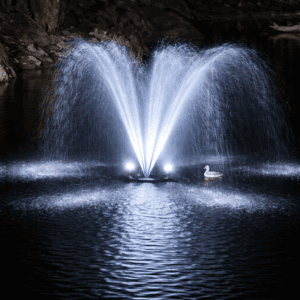

A pond that sits still can quickly lose its charm. Stagnant water, low oxygen, and a flat surface are common problems, especially in compact water features. Properly sized floating fountains for small ponds can solve several of these problems at once, adding movement, oxygen, and visual appeal without major construction. This article explains how floating fountains work, how to match size and power to your pond, and which features are worth considering before you buy, so you can make a confident and informed choice.
How Floating Fountains Work
Floating fountains sit on the water’s surface and spray water into the air. For compact water features, floating fountains for small ponds need very little setup, since the unit floats on its own base and is held in place with a mooring rope. There is no digging, plumbing, or permanent structure involved.
Aeration and Circulation
As water falls back to the surface, it picks up oxygen and moves around the pond. This circulation supports fish, plants, and a balanced pond ecosystem, and it helps prevent still, stagnant conditions. Gentle, consistent movement is one of the main reasons people choose a fountain over a purely decorative feature.
Included Components
A typical unit includes a floating base, a pump, interchangeable spray nozzles, a debris bag to protect the pump, and a long mooring rope. Interchangeable nozzles let you change the spray pattern whenever you like, from a tall single stream to a wider, layered display.
Power Options
Many models run on standard 120V power and come in several motor sizes, such as 1/3, 1/2, and 3/4 horsepower, with flow rates ranging from about 4,000 to 6,600 gallons per hour. A long electrical cord, often around 100 feet, lets you place the fountain well away from the shoreline.
Installation
Setup is straightforward. Position the fountain, secure the mooring ropes, connect the power, and start the pump. Most owners can finish the process in a short time without special tools.
Choosing the Right Size and Features
Matching the unit to the pond is the most important decision. The best floating fountains for small ponds balance power with surface area, depth, and the spray height you want. Getting this balance right protects both performance and appearance.
Match Power to Pond Size
A pump that is too strong for a small pond can overwhelm it with spray and splash, while one that is too weak provides little circulation. Smaller motors generally suit compact ponds, and larger ones suit bigger water bodies where a taller spray is practical.
Lighted Versus Unlit
Unlit models offer a clean, natural look in daylight with minimal upkeep. Lighted models add a three-light LED setup, often 12V and 6W, in white or color-changing modes. This turns the fountain into a nighttime centerpiece without a separate lighting project.
Safety and Visibility
Illuminated fountains also help define the pond’s edges after dark. That improves safety for family members and guests, particularly on properties where people walk near the water in the evening.
Maintenance and Seasons
Upkeep is light. Clean the debris bag regularly, check the nozzles for blockages, and inspect the unit each season. Floating fountains can run year-round in many conditions, but removing the unit in freezing climates helps prevent equipment damage.
Conclusion
Choosing the right fountain comes down to pond size, power, and the look you want. Start by matching the motor and spray pattern to your pond, then decide whether daytime simplicity or nighttime drama suits your property better. If evening visibility matters, water fountain LED lights can add color, reflection, and a clear view of the pond’s edges after dark. With a little planning and routine care, a floating fountain can keep your water healthy and attractive for years.