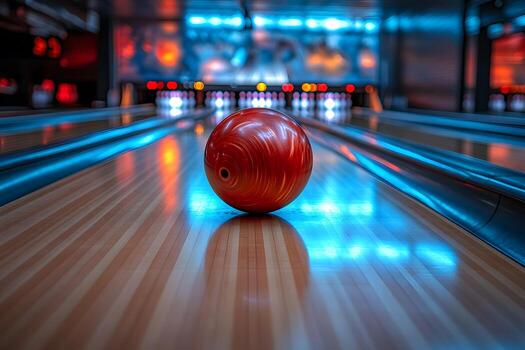

Bowling lanes are exposed to repeated use every day, making long-term performance an important consideration for commercial bowling centers. A lane system needs to maintain its physical condition while supporting consistent operation and practical maintenance.
Modern synthetic lane systems are designed around several factors that contribute to long-term usability. Working with an experienced Synthetic Bowling Lane Manufacturer can also help facility owners understand material specifications, installation requirements, maintenance procedures, and other factors that influence the service life of the lanes.
Understanding Long-Term Lane Performance
Long-term performance involves more than how a lane looks immediately after installation. It includes dimensional stability, surface condition, structural support, maintenance requirements, and compatibility with associated bowling equipment.
A well-planned lane system should be suitable for the facility’s expected usage and operating environment.
Durable Surface Construction
The playing surface is exposed to repeated bowling activity, cleaning, and routine facility operations.
Synthetic materials can be engineered to provide a durable surface suitable for commercial use. The exact characteristics depend on the materials and construction methods used by the manufacturer.
Dimensional Stability
A lane should retain its intended dimensions and alignment under appropriate operating conditions.
Stable construction can help reduce problems associated with movement, distortion, or changes in component positioning. Proper installation and environmental control are also important for maintaining dimensional stability.
Consistent Manufacturing
Manufacturing consistency plays a role in long-term lane performance.
When lane components are produced according to controlled specifications, installers can achieve more predictable alignment and assembly. Consistent production is particularly useful when a bowling center has multiple lanes installed together.
Proper Installation
Even high-quality lane materials can experience problems if they are installed incorrectly.
Installation should follow the manufacturer’s specifications for subfloor preparation, positioning, joining, leveling, and alignment. Correct installation provides the foundation for maintaining the intended characteristics of the finished system.
Stable Subfloor Support
The surface beneath the synthetic lane provides essential support.
Before installation, the subfloor should be evaluated for levelness, stability, cleanliness, and other requirements specified by the manufacturer. Addressing foundation issues early can help protect the lane system from unnecessary stress.
Accurate Lane Alignment
Proper alignment helps maintain a uniform bowling environment across the facility.
Installation teams should verify lane position and connections during the installation process. Periodic inspections can also identify alignment-related issues before they become more difficult to correct.
Protection Against Surface Wear
Normal bowling activity produces repeated contact with the lane surface. Preventing unnecessary damage can help preserve its condition.
Facility operators should avoid practices that introduce excessive scratches, contamination, or impact damage. Appropriate handling of equipment and routine cleaning can contribute to surface preservation.
Regular Cleaning
Cleaning is an essential part of synthetic lane maintenance.
Dirt, dust, oil, and other contaminants can accumulate through normal operation. A regular cleaning program based on the manufacturer’s recommendations can help maintain the lane surface.
Operators should use suitable cleaning products and avoid chemicals or procedures that are not approved for the particular lane system.
Appropriate Maintenance Procedures
Maintenance should be based on the materials and construction of the installed lane.
Manufacturers may specify particular cleaning equipment, products, inspection procedures, and service intervals. Following these instructions can reduce the risk of premature surface damage.
Monitoring High-Use Areas
Some parts of a bowling lane may experience more frequent contact or traffic than others.
Facility staff can periodically inspect approaches, foul lines, playing surfaces, joints, gutters, and other areas for signs of wear or damage. Early identification allows maintenance teams to address smaller issues before they develop further.
Managing Environmental Conditions
Temperature and humidity can affect certain construction materials, adhesives, and underlying substrates.
Bowling centers should maintain environmental conditions within the ranges recommended for their lane system. Proper storage conditions are also important before installation, particularly for materials kept on-site for extended periods.
Equipment Compatibility
Long-term performance depends partly on how the lane interacts with surrounding equipment.
Pinsetters, string pinsetters, ball returns, gutters, and scoring systems should be correctly integrated with the lane. Equipment that is incorrectly positioned or adjusted can place unnecessary stress on lane components.
Coordination With Pinsetters
The pin deck and related lane areas must work correctly with the selected pinsetter technology.
Whether a facility uses traditional pinsetting equipment or string pinsetters, the installation should follow compatible dimensional and technical requirements. Coordination between equipment suppliers and lane installers can help prevent integration problems.
Quality Joining and Connections
Where a lane system includes multiple sections, connections need to remain secure and accurately positioned.
Proper joining techniques can help maintain surface continuity and alignment. Installers should use only the materials and procedures recommended for the specific lane system.
Repairing Damage Promptly
Minor damage should not be ignored indefinitely.
If a component develops a defect, facility staff should determine whether it can be repaired or needs replacement. Prompt attention can help prevent a localized problem from affecting surrounding components.
Availability of Replacement Components
Long-term facility management is easier when replacement components are accessible.
Before purchasing a lane system, ask the manufacturer about replacement surface sections, edge components, hardware, and other parts that may eventually be required.
Manufacturer Documentation
Detailed documentation can support consistent maintenance throughout the lane’s service life.
Important documents may include:
- Installation instructions
- Cleaning procedures
- Maintenance schedules
- Approved cleaning products
- Repair guidelines
- Component specifications
- Storage requirements
- Warranty information
Keeping these documents available can help staff follow the correct procedures.
Staff Training
Maintenance personnel should understand the basic requirements of the installed lane system.
Training can cover appropriate cleaning methods, surface protection, inspection procedures, and reporting of potential problems. Clear procedures reduce the likelihood of accidental damage caused by unsuitable maintenance practices.
Planning for Commercial Usage
A bowling center with high daily traffic may have different maintenance needs from a smaller recreational facility.
When selecting a lane system, discuss expected operating hours, lane usage, maintenance routines, and facility conditions with the manufacturer. This allows the project team to consider whether the system is appropriate for its intended application.
Periodic Inspections
Regular inspections can help identify changes before they become significant maintenance issues.
A basic inspection may include checking:
- Surface condition
- Lane alignment
- Joints
- Edges
- Markings
- Gutters
- Approach areas
- Equipment interfaces
Inspection frequency can be adjusted according to usage and the manufacturer’s recommendations.
Planning for Future Renovations
Long-term performance should also be considered alongside future facility changes.
A bowling center may eventually upgrade pinsetters, scoring systems, lighting, or other equipment. Choosing a lane system with clear specifications and available replacement components can make future modifications easier to plan.
Evaluate the Complete Lane System
No single material or feature determines long-term performance. The final result depends on the interaction between materials, manufacturing, installation, equipment, environment, and maintenance.
For this reason, buyers should evaluate the complete system instead of focusing exclusively on the initial appearance or purchase price.
Questions to Ask Before Installation
Project planners can ask the manufacturer:
- What operating conditions is the lane system designed for?
- What maintenance schedule is recommended?
- Which cleaning products are approved?
- What environmental conditions should be maintained?
- How should damaged components be repaired?
- Are replacement parts available?
- Which pinsetting and scoring systems are compatible?
- What installation tolerances must be maintained?
- What documentation is provided?
- What technical support is available after installation?
The answers can help operators establish realistic maintenance and management procedures.
Conclusion
Long-term synthetic bowling lane performance depends on a combination of durable materials, consistent manufacturing, accurate installation, stable support, compatible equipment, proper environmental conditions, and routine maintenance.
Bowling center owners can protect their investment by establishing maintenance procedures from the beginning, monitoring lane condition regularly, and following the manufacturer’s technical recommendations. A complete approach to installation and ongoing care can help keep synthetic lanes in suitable condition for continued commercial operation.