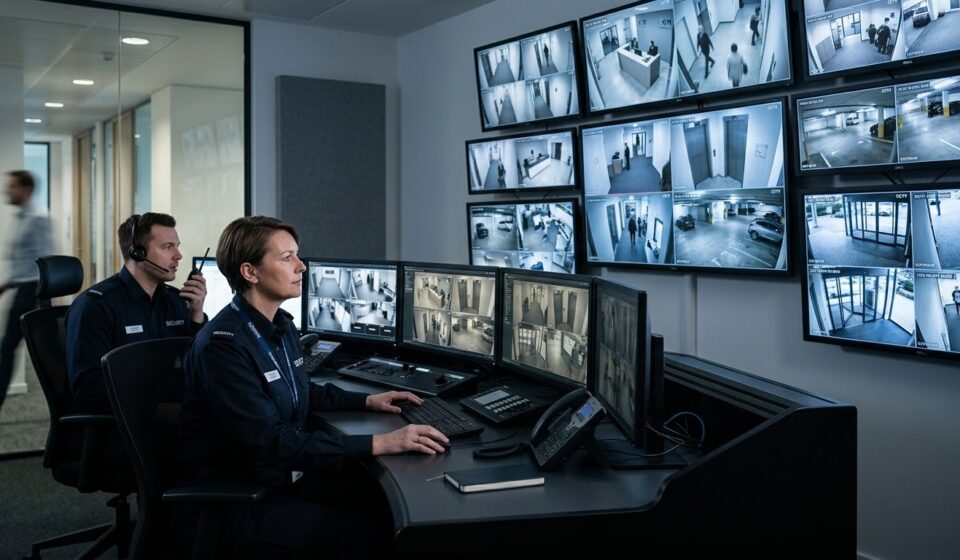

Modern businesses face a wide range of security challenges, from unauthorized access and theft to property damage, workplace incidents, and disputes. As commercial properties become more connected and operational environments become more complex, businesses need security measures that provide continuous visibility rather than relying only on locks, alarms, or physical security personnel. CCTV security cameras offer that visibility by helping businesses monitor important areas, record activity, and respond more effectively to potential security concerns.
A properly planned surveillance system can serve offices, retail stores, warehouses, manufacturing facilities, healthcare properties, schools, hotels, financial institutions, and other commercial environments. When integrated with access control, intrusion alarms, and other security technologies, CCTV can become an important part of a broader security strategy. Cisco Fire Systems provides professional CCTV security camera installation designed around the layout, operational needs, and security requirements of each property.
Why Do Modern Businesses Need CCTV Security Cameras?
Businesses have different layouts, risks, operating hours, and security requirements. A small office may need cameras around entrances and parking areas, while a warehouse may require coverage across loading docks, inventory areas, employee entrances, and storage zones.
CCTV cameras help businesses create a visual record of activity in important locations. Depending on the system design, authorized users may also be able to view cameras remotely.
Key benefits include:
- Monitoring entrances and exits
- Observing high-traffic areas
- Protecting inventory and equipment
- Supporting employee and visitor safety
- Recording activity for later review
- Improving visibility around a property
- Supporting other security systems
- Helping investigate incidents and disputes
The objective is not simply to install as many cameras as possible. Effective surveillance depends on placing the right cameras in the right locations and configuring the system around actual business requirements.
Continuous Monitoring Improves Visibility
One of the biggest advantages of CCTV surveillance is continuous monitoring.
Employees cannot observe every part of a commercial property at every moment. A well-designed camera system provides additional visibility across areas that may otherwise remain difficult to monitor.
For example, cameras can cover:
- Main entrances
- Employee entrances
- Reception areas
- Parking areas
- Loading zones
- Hallways
- Storage rooms
- Common areas
- Exterior access points
- Restricted areas
This broader visibility can help security teams identify unusual activity and review events that occurred outside their direct line of sight.
CCTV Helps Protect Valuable Business Assets
Businesses invest heavily in inventory, equipment, technology, documents, materials, and other assets. Some properties may also store sensitive products or expensive machinery.
Strategically positioned security cameras can help monitor these areas and create a record of activity.
For example, a warehouse may use cameras to observe inventory aisles and loading docks. A retail business may monitor entrances, sales floors, checkout areas, and stockrooms. A manufacturing facility may require surveillance around equipment, production areas, and restricted zones.
CCTV does not replace physical security measures, but it can add another layer of protection.
Security Cameras Can Support Incident Investigation
When an incident occurs, understanding what happened can be difficult without reliable information.
Recorded video may help authorized personnel review events such as:
- Unauthorized entry
- Property damage
- Theft
- Workplace incidents
- Disputes
- Suspicious activity
- Access to restricted areas
Instead of relying entirely on memory or witness statements, businesses may have recorded footage available for review, subject to applicable laws and the system’s retention settings.
This makes video surveillance useful not only for prevention but also for post-incident investigation.
CCTV Can Strengthen Access Control
CCTV becomes even more useful when it works alongside access control.
An access control system determines who can enter a particular area. A camera can provide visual context about the event.
For example, an employee may use a credential to enter a restricted room. A properly configured integrated system can associate access activity with video coverage, allowing authorized personnel to review the surrounding event when needed.
This combination can be particularly useful in:
- Offices
- Warehouses
- Manufacturing facilities
- Healthcare facilities
- Financial institutions
- Schools
- Multi-tenant properties
Access control manages entry, while video surveillance adds visual awareness.
Remote Viewing Adds Operational Flexibility
Modern CCTV systems can provide authorized users with remote viewing capabilities, depending on system configuration and network infrastructure.
Remote access can be useful for business owners, managers, and security personnel who need to check a property without being physically present.
For example, a manager may want to review an entrance after business hours or check activity around a loading area during a delivery period.
Remote viewing does not eliminate the need for appropriate cybersecurity, user permissions, network protection, and responsible system management. These considerations should form part of the overall surveillance plan.
CCTV Supports Different Business Environments
Every commercial property presents different surveillance requirements.
Offices
Office surveillance can focus on entrances, reception areas, employee access points, parking areas, and other important locations. Cameras can provide visibility while supporting broader access-control strategies.
Warehouses and Distribution Centers
Warehouses often have multiple entrances, loading docks, storage areas, and vehicle movements. Camera placement should account for these operational patterns.
Retail Stores
Retail businesses may use surveillance around entrances, checkout areas, sales floors, stockrooms, and exterior locations. Proper coverage can help managers monitor customer and employee areas while protecting inventory.
Manufacturing Facilities
Manufacturing environments may require cameras around production areas, equipment, material storage, employee entrances, and restricted locations. System planning should consider the facility’s workflow and operating conditions.
Healthcare Facilities
Healthcare properties can have public areas, staff-only zones, equipment areas, and restricted spaces. Surveillance planning should take privacy and operational requirements into account.
Strategic Camera Placement Matters
Installing cameras without a clear plan can create blind spots, overlapping coverage, or unnecessary equipment.
Before installation, businesses should evaluate:
- Property entrances and exits
- Lighting conditions
- Camera viewing angles
- Building layout
- High-value areas
- Employee and visitor movement
- Parking and exterior areas
- Network infrastructure
- Required recording coverage
- Future expansion requirements
A professional site survey can help identify locations where cameras can provide meaningful coverage.
The goal is not maximum camera quantity. The goal is useful coverage.
Choosing the Right CCTV System
Different environments may require different camera types and configurations.
Depending on the property, businesses may consider cameras designed for:
- Indoor environments
- Outdoor areas
- Wide viewing coverage
- Specific entry points
- Parking areas
- Loading zones
- Low-light conditions
- High-traffic locations
The recording system also matters. Businesses should consider storage capacity, retention requirements, resolution, network infrastructure, user access, and system scalability.
A professional installer can evaluate these factors before recommending a configuration.
CCTV Can Work With Other Security Technologies
A modern commercial security environment rarely depends on one technology alone.
CCTV can work alongside:
- Access control systems
- Intrusion alarm systems
- Fire alarm systems
- Video intercom systems
- Magnetic locks
- Automatic door operators
- Low-voltage networking
For example, an access control system can manage an employee entrance while CCTV provides visual monitoring. An intrusion alarm can identify an unauthorized entry event while cameras provide additional visual information.
This integrated approach can make security operations more coordinated.
How Cisco Fire Systems Supports Business CCTV Security
Cisco Fire Systems provides professional CCTV security camera installation for commercial and residential properties. For businesses that require commercial CCTV camera systems, the company takes a professional approach that considers the property’s layout, security requirements, operational needs, and important monitoring areas rather than treating cameras as isolated equipment.
The process can include a site survey, assessment of the property’s requirements, customized system design, professional installation, testing, and ongoing support.
Cisco Fire Systems can also integrate CCTV with other security solutions, including access control, intrusion alarms, video intercoms, magnetic locks, automatic door operators, and low-voltage cabling and networking.
This approach allows businesses to develop a security environment based on their property, operations, and specific requirements.
Frequently Asked Questions
What are CCTV security cameras used for in businesses?
CCTV cameras help businesses monitor important areas, record activity, improve property visibility, and support incident investigation.
Where should commercial CCTV cameras be installed?
Common locations include entrances, exits, parking areas, loading zones, reception areas, inventory spaces, restricted areas, and other locations identified during a security assessment.
Can CCTV cameras be viewed remotely?
Some systems support remote viewing for authorized users. The available functionality depends on the system design, network configuration, software, and user permissions.
Can CCTV integrate with access control?
Yes. CCTV can be integrated with access control so businesses can combine visual surveillance with controlled entry.
How many cameras does a business need?
The number depends on the building layout, coverage requirements, camera placement, viewing angles, lighting, security objectives, and other factors. A site survey can help determine an appropriate configuration.
Does CCTV replace an alarm system?
No. CCTV and intrusion alarms serve different purposes. Cameras provide visual monitoring and recording, while alarm systems can identify specific security events and generate alerts. Using them together can provide broader security coverage.
How often should CCTV systems be maintained?
Businesses should periodically inspect cameras, connections, recording equipment, storage, network infrastructure, and viewing functionality. The appropriate maintenance schedule depends on the system and operating environment.
Important Safety and Privacy Note
CCTV systems should be designed, installed, operated, and maintained according to applicable laws, regulations, privacy requirements, and property-specific policies. Businesses should ensure that camera placement and video access are handled responsibly and by authorized personnel. Professional guidance may be appropriate when surveillance requirements involve privacy-sensitive areas or regulatory obligations.
Conclusion
CCTV security cameras have become an important component of modern business security. They provide visibility across critical areas, help protect assets, support incident investigation, and can work alongside access control and intrusion alarm systems. However, effective surveillance depends on thoughtful planning rather than simply installing cameras throughout a property. Site layout, lighting, coverage, recording, networking, maintenance, and future requirements all deserve attention.
Cisco Fire Systems helps businesses develop integrated security solutions around their individual property requirements. From CCTV security camera installation to access control, intrusion alarms, video intercoms, door security, and low-voltage networking, the company can support businesses through site assessment, system design, professional installation, testing, and ongoing support.