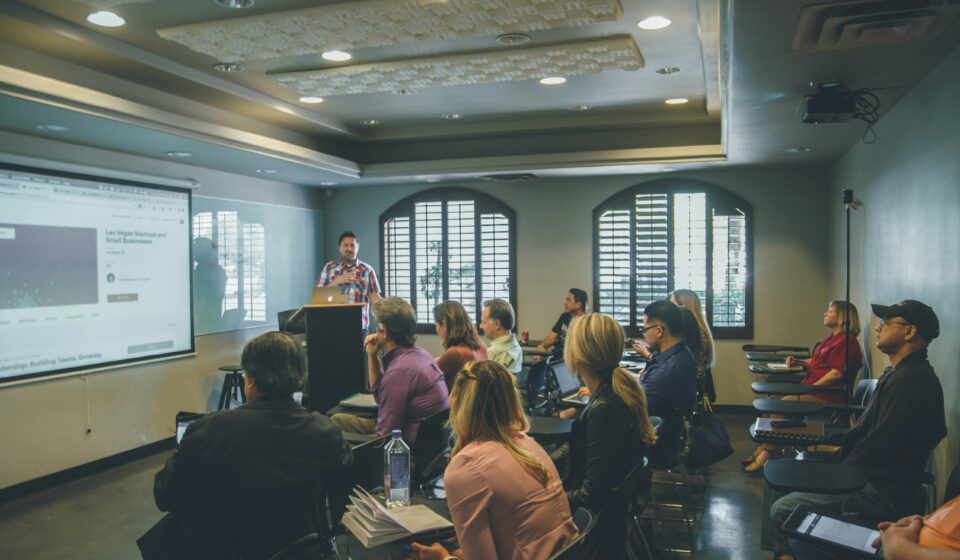

Workplaces require employees to develop skills that match their responsibilities, tools, and business goals. Corporate training in the Philippines provides structured sessions that address these workplace needs across different industries. Training may cover technical abilities, communication, leadership, compliance, or job-specific processes.
1. What Is Corporate Training?
Corporate training refers to organized activities that help employees build knowledge and workplace skills. Companies may provide training for new hires, existing employees, managers, or specialized teams. Topics depend on job responsibilities and organizational needs. Sessions can take place inside the workplace, through online platforms, or in external training venues.
Training programs can address both technical and interpersonal skills. Technical topics may include software use, data handling, workplace safety, or industry procedures. Interpersonal topics can cover communication, teamwork, leadership, and conflict management. The format and subject matter often depend on employee roles, company policies, and identified performance gaps.
2. Why Do Companies Use Corporate Training?
Companies use training to provide employees with consistent information, skills, and workplace procedures. A structured program can introduce employees to company processes and clarify expectations for specific roles. Training can also support professional development when employees take on new responsibilities or work with updated systems.
The purpose of training varies across organizations and departments. Some programs focus on technical competence, while others address management skills, communication, compliance, or workplace conduct. Training may also form part of onboarding programs, helping new employees become familiar with their duties, policies, and internal workflows.
3. Who Can Participate in Corporate Training?
Corporate training can serve employees at different levels, from entry-level staff to senior managers. New employees may receive orientation and role-specific sessions, while experienced workers may attend programs related to advanced skills. Managers can also receive specialized training focused on supervision, communication, decision-making, and team management.
Training groups may consist of employees from one department or people from several teams. The group structure depends on the subject and its intended audience. For example, a software session may focus on one department, while workplace communication training may include employees from different functions.
4. What Topics Are Covered?
Corporate training covers a wide range of subjects based on workplace requirements. Common areas include leadership, communication, customer service, project management, technical skills, workplace safety, compliance, and digital tools. Some industries also require specialized training related to regulations, equipment, operational procedures, or professional standards.
The content can differ according to an employee’s position and level of responsibility. Entry-level workers may receive instruction on basic processes, while experienced staff may study advanced methods. Managers typically receive training focused on people management, performance discussions, delegation, and decision-making. This creates different training paths within the same organization.
5. How Is Corporate Training Delivered?
Corporate training in the Philippines can use several delivery formats. Traditional classroom sessions remain one option, while virtual classes, workshops, seminars, and blended programs provide other formats. Companies may also use internal trainers, external training providers, or subject specialists for specific topics.
The delivery method depends on the subject, audience, location, schedule, and available resources. Practical topics may benefit from demonstrations, exercises, and group activities. Online sessions can support employees working across different locations. Blended programs combine digital materials with scheduled discussions or practical sessions.
6. How Long Does Corporate Training Take?
Training duration depends on the subject, level of detail, and intended outcomes. A short session may last several hours, while a broader program can take several days or occur across multiple weeks. Compliance topics may require shorter sessions, while leadership or technical programs may need additional time.
Some organizations divide longer programs into smaller sessions. This format can reduce disruption to regular work schedules and provide time between sessions for practice. The schedule may also depend on employee availability, business operations, trainer requirements, and the amount of material covered during each session.
7. How Is Training Effectiveness Measured?
Companies can assess training through several methods, including participant feedback, knowledge tests, practical exercises, and performance reviews. These methods provide different types of information about how employees responded to the program. Feedback forms can measure participant perceptions, while assessments can examine knowledge gained from specific sessions.
Workplace performance can provide another source of information after training has finished. Managers may review changes in work quality, task completion, communication, or adherence to procedures. The measurement method should match the purpose of the program, since different subjects require different indicators of performance.
8. How Does Corporate Training Support Employee Development?
Corporate training provides structured opportunities for employees to build skills related to their current roles and future responsibilities. Programs can address skill gaps, introduce new processes, or prepare employees for positions with greater responsibility. Training may also provide a consistent way to communicate workplace standards across departments.
Employee development can occur through formal sessions and practical workplace activities. Workshops, coaching, mentoring, demonstrations, and guided assignments can complement classroom instruction. Together, these methods can create a broader development process that connects training topics with the tasks employees perform in their regular work.
Key Takeaway
Corporate training in the Philippines covers structured programs designed to build workplace skills, introduce procedures, and support employee development. Its subjects can range from technical abilities and compliance to leadership and communication. Training may take place through classroom sessions, online programs, workshops, or blended formats.
Duration and assessment methods differ according to the subject, audience, and intended outcomes. Companies can also use training as part of onboarding, role development, and preparation for new responsibilities, creating structured opportunities for employees to strengthen skills relevant to their work.