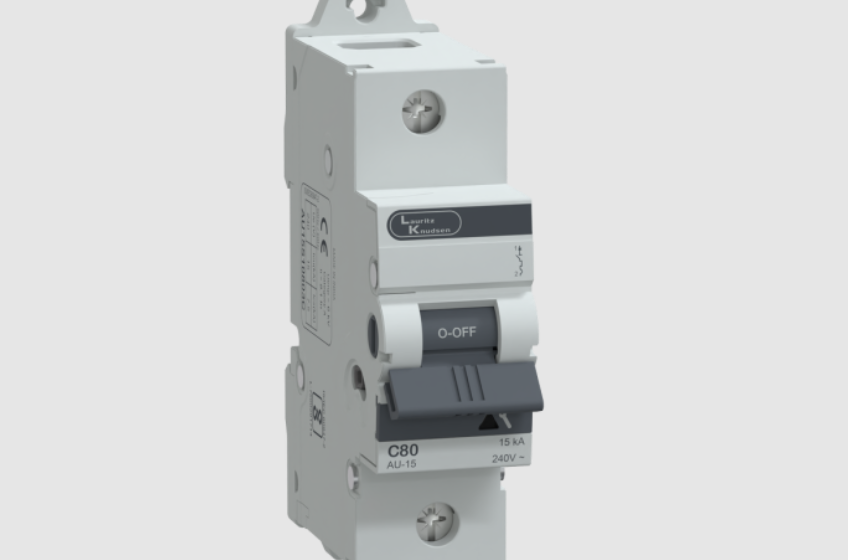

Electrical safety is essential in every home, office, and industrial facility. One of the most important protective devices used in modern electrical systems is the MCB switches, which help protect circuits from overloads and short circuits. By automatically disconnecting faulty circuits, they reduce the risk of equipment damage, electrical fires, and unexpected power interruptions. While selecting protective devices, many buyers also compare MCCB price for larger commercial and industrial applications. Understanding the differences between MCBs and MCCBs helps you choose the right protection solution for your electrical installation.
What Are MCB Switches?
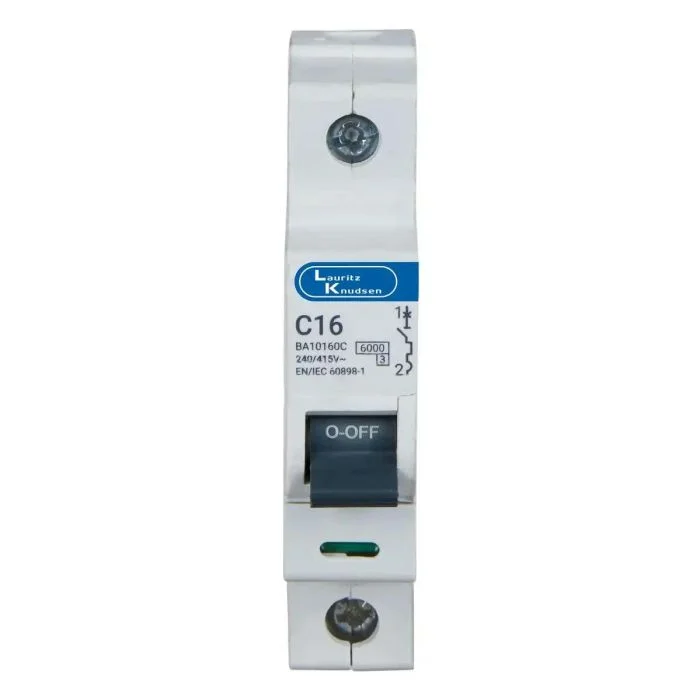
MCB switches (Miniature Circuit Breakers) are automatic electrical protection devices designed to interrupt the flow of electricity when they detect overloads or short circuits.
Unlike traditional fuses, MCBs can be reset after a fault instead of being replaced, making them a more convenient and cost-effective solution.
They are commonly installed in:
- Residential homes
- Apartments
- Office buildings
- Retail stores
- Educational institutions
- Small commercial facilities
Their compact size and reliable protection make them a standard component in modern distribution boards.
Why MCB Switches Are Important
Electrical circuits can experience overloads due to excessive connected loads or short circuits caused by damaged wiring.
Installing MCB switches provides several benefits:
- Protects electrical wiring
- Prevents equipment damage
- Reduces fire hazards
- Improves electrical safety
- Simplifies fault isolation
- Minimizes downtime
These advantages make MCBs one of the most important safety devices in residential and commercial electrical systems.
How MCB Switches Work
An MCB continuously monitors the current flowing through a circuit.
The basic operating process includes:
- Electricity flows normally during standard operation.
- The MCB detects excessive current.
- The internal trip mechanism activates.
- The circuit is disconnected automatically.
- After the fault is resolved, the MCB can be reset manually.
This fast response helps prevent damage to wiring and connected equipment.
Types of MCB Switches
Different applications require different tripping characteristics.
1. Type B MCB
Type B MCBs trip at lower current levels and are commonly used in residential applications.
Typical loads include:
- Lighting circuits
- Household appliances
- General power outlets
2. Type C MCB
Type C MCBs handle moderate inrush currents and are suitable for commercial applications.
Common uses include:
- Air conditioning systems
- Small motors
- Office equipment
3. Type D MCB
Type D MCBs are designed for equipment with high starting currents.
They are often installed for:
- Large motors
- Industrial machinery
- Heavy electrical equipment
Benefits of Installing MCB Switches
Modern MCBs offer several practical advantages.
1. Reliable Circuit Protection
They disconnect faulty circuits quickly before serious damage occurs.
2. Easy Reset
Unlike fuses, MCBs do not require replacement after every fault.
3. Improved Electrical Safety
Automatic fault interruption reduces the risk of electrical fires and equipment damage.
4. Long Service Life
Quality MCBs are designed for years of dependable operation with minimal maintenance.
5. Organized Power Distribution
Individual circuit protection makes troubleshooting faster and easier.
Understanding MCCB Price
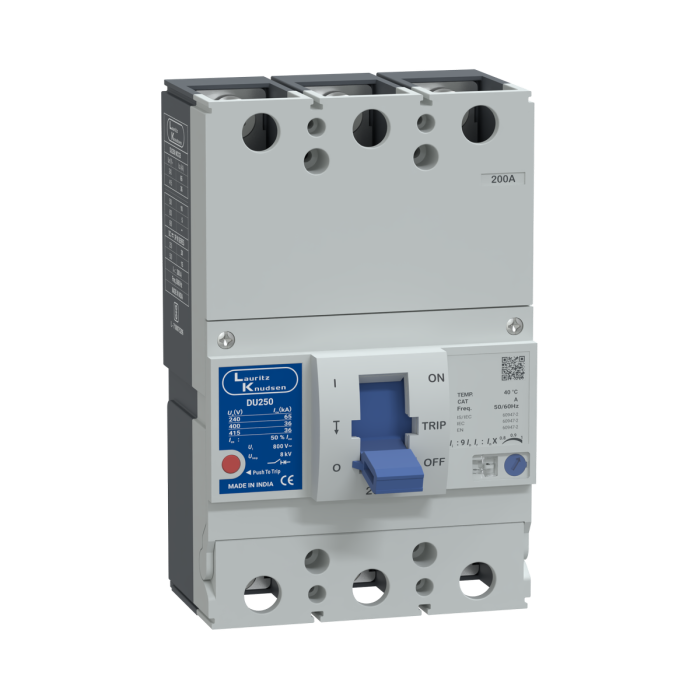
For larger electrical systems, an MCCB (Moulded Case Circuit Breaker) is often required instead of an MCB.
Several factors influence MCCB price, including:
- Current rating
- Breaking capacity
- Adjustable trip settings
- Number of poles
- Build quality
- Additional protection features
Rather than comparing products based only on MCCB price, buyers should evaluate the application, electrical load, safety requirements, and long-term reliability.
MCB vs MCCB
Although both devices protect electrical circuits, they are designed for different applications.
| Feature | MCB Switches | MCCB |
| Current Capacity | Low to moderate | High |
| Trip Settings | Fixed | Adjustable |
| Typical Application | Residential and small commercial | Commercial and industrial |
| Breaking Capacity | Moderate | High |
| Maintenance | Minimal | Periodic inspection recommended |
Understanding these differences helps ensure proper protection for every electrical system.
Applications of MCB Switches
MCBs are widely used across different environments.
1. Residential Homes
They protect:
- Lighting circuits
- Kitchen appliances
- Air conditioners
- Power outlets
2. Commercial Buildings
Businesses install MCBs to protect:
- Office equipment
- Computers
- Lighting systems
- Small HVAC equipment
3. Educational Institutions
Schools and colleges rely on MCBs for safe electrical distribution across classrooms and laboratories.
4. Healthcare Facilities
Hospitals use MCBs to protect non-critical electrical circuits while maintaining reliable operation.
Factors to Consider Before Buying
Choosing the right MCB requires evaluating several important factors.
1. Current Rating
Select an MCB that matches the expected electrical load.
2. Breaking Capacity
Ensure the breaker can safely interrupt potential fault currents.
3. Tripping Curve
Choose the appropriate MCB type based on the connected equipment.
4. Installation Environment
Consider temperature, humidity, and operating conditions.
5. Product Quality
Reliable construction and compliance with electrical standards improve long-term safety.
Installation Best Practices
Proper installation helps maximize safety and reliability.
Follow these recommendations:
- Install MCBs inside suitable distribution boards.
- Use correctly sized wiring.
- Clearly label every circuit.
- Ensure proper grounding.
- Test breaker operation after installation.
- Have installation completed by qualified electrical professionals.
Correct installation improves both safety and ease of maintenance.
Common Mistakes to Avoid
Avoid these common errors when selecting or installing MCBs:
- Choosing incorrect current ratings
- Overloading electrical circuits
- Ignoring future load expansion
- Poor wiring practices
- Skipping routine inspections
- Selecting larger protection devices based only on MCCB price instead of application requirements
Proper planning helps improve system reliability.
Maintenance Tips
Routine maintenance helps keep electrical systems operating safely.
Recommended practices include:
- Inspect MCBs regularly.
- Check for loose electrical connections.
- Test breaker operation periodically.
- Clean distribution boards.
- Replace damaged components promptly.
- Verify circuit labeling during scheduled maintenance.
Preventive maintenance helps reduce unexpected electrical faults and extends equipment life.
Conclusion
MCB switches are an essential part of modern electrical systems, providing dependable protection against overloads and short circuits while improving overall safety and reliability. Selecting the right MCB based on current rating, tripping characteristics, and application ensures efficient circuit protection for homes and commercial spaces. For larger installations, evaluating performance and features is more important than comparing MCCB price alone. With over 70 years of expertise in electrical and automation solutions, Lauritz Knudsen Smartshop continues to deliver dependable products that support safe, efficient, and future-ready electrical systems across homes, businesses, industries, agriculture, and infrastructure.