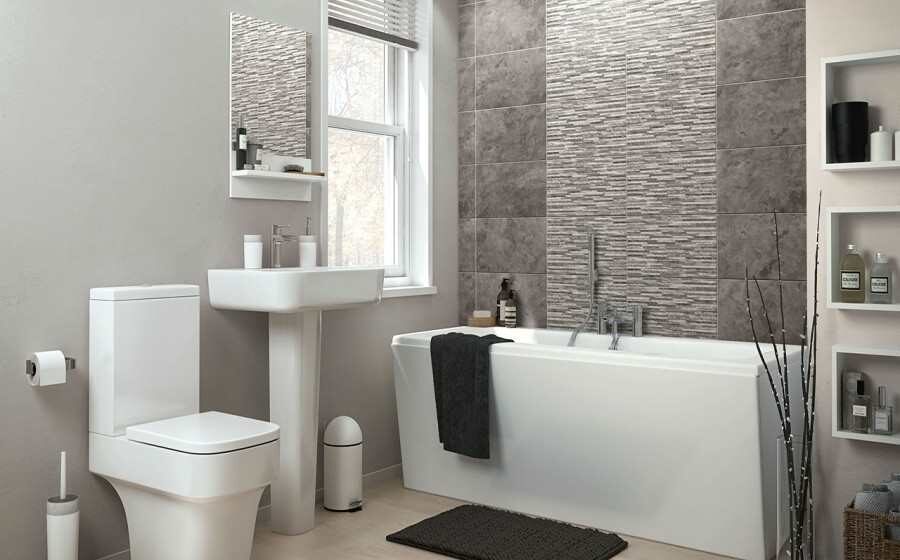

Solid surface sinks are increasingly used in residential, hospitality, commercial, and architectural projects where buyers need flexible designs and consistent finishes. Their ability to support different shapes, sizes, colors, and countertop configurations makes them suitable for both standard and customized applications.
For businesses evaluating a Solid Surface Sink Exporter, custom manufacturing and OEM solutions can provide more options than standard catalog products. However, buyers should carefully evaluate technical capabilities, material quality, sampling procedures, production capacity, and quality control before committing to a customized order.
What Are Custom Solid Surface Sinks?
Custom solid surface sinks are products developed or modified according to specific buyer requirements. Instead of selecting a standard model, the buyer can work with the manufacturer to create a configuration suited to a particular project or brand.
Customization may involve dimensions, basin shape, installation method, color, surface finish, drainage configuration, or integration with a countertop or vanity.
The level of customization depends on the manufacturer’s equipment, engineering capabilities, and production processes.
How OEM Solutions Work
OEM manufacturing allows a buyer to have products manufactured according to established specifications and sold under the buyer’s brand. The buyer may provide technical drawings, product requirements, branding guidelines, or reference samples.
The manufacturer is responsible for producing the agreed design while following the required quality and production standards.
OEM can be particularly useful for retailers, distributors, hospitality groups, and bathroom brands that want consistent products without establishing their own manufacturing facilities.
Custom Design and Product Development
A custom project generally begins with a product concept or technical specification. The manufacturer reviews the requirements and determines whether the proposed design can be produced efficiently.
Depending on the complexity, development may include:
- Technical drawing review
- Design adjustments
- Prototype development
- Mold or tooling preparation
- Sample production
- Sample revisions
- Final approval
- Mass production
A clearly defined development process helps prevent unexpected changes once production begins.
Evaluate Technical Capabilities
Not every solid surface manufacturer can handle complex custom designs. Buyers should assess the supplier’s engineering resources, production equipment, finishing capabilities, and experience with similar projects.
Ask to see examples of previous custom products where appropriate. This can provide a better indication of the manufacturer’s ability to turn a design concept into a consistent finished product.
Consider Design Feasibility
A design may look suitable on paper but present manufacturing or installation challenges. An experienced manufacturer should be able to identify potential problems involving dimensions, material thickness, structural support, drainage, finishing, or production efficiency.
Discussing these factors early can reduce the need for expensive changes later.
Material Selection for Custom Products
Material specifications should be established before development begins. Different solid surface formulations can have different characteristics, so buyers should understand what material will be used for the finished product.
Discuss material composition, thickness, finish, color options, maintenance requirements, and intended application with the manufacturer.
For important projects, physical samples can provide a more reliable reference than digital images.
OEM Branding Options
OEM projects often involve more than placing a logo on an existing product. Buyers may request coordinated branding across the sink, packaging, labels, installation documentation, and other product materials.
Before production, confirm:
- Logo placement and dimensions
- Branding method
- Packaging design
- Label information
- Artwork approval procedures
- Product identification requirements
All branding specifications should be approved before mass production.
Tooling and Mold Requirements
Some custom designs require dedicated molds or specialized tooling. These costs can vary according to the complexity of the design and the production method.
Buyers should establish who pays for tooling and who owns it. It is also useful to clarify maintenance responsibilities, expected lifespan, storage arrangements, and the process for future modifications.
Clear tooling agreements can help prevent misunderstandings during long-term cooperation.
Minimum Order Quantities
Custom and OEM products often involve higher minimum order quantities than standard products. Manufacturers may need to recover development, tooling, material, and production setup costs.
Ask for the MOQ before approving the design and compare it with your expected sales volume or project requirements. For new products, consider whether an existing design with limited customization could provide a more practical starting point.
Sample Approval Is Essential
Sample approval is one of the most important stages in a custom manufacturing project. The sample should be checked against the agreed drawings and specifications.
Evaluate dimensions, material, color, finish, functionality, and overall workmanship. Once the sample is approved, document the approval and use it as a reference for mass production.
If changes are required, make sure the revised specifications are confirmed before production begins.
Quality Control for Custom Orders
Custom products require clearly defined quality standards because there may be no standard catalog specification to use as a reference.
Establish acceptable tolerances for dimensions, color, finish, surface quality, and other important characteristics. The manufacturer should understand these requirements before production starts.
For larger orders, buyers may also arrange independent inspections based on the agreed specifications.
Certifications and Compliance
Custom designs may still need to meet applicable standards in the destination market. Buyers should identify regulatory requirements during the design stage.
Ask the exporter whether the selected materials and proposed production methods are suitable for the required certifications or testing. Addressing compliance early can prevent costly redesigns or delays.
Production Capacity and Lead Times
Custom development can take longer than standard production because of design review, tooling, sampling, and approval stages.
Ask the exporter for a realistic timeline covering development, sampling, production, inspection, and packaging. If the products are part of a construction or hospitality project, communicate the required delivery date at the beginning of the process.
Also consider whether the manufacturer has sufficient capacity for future repeat orders.
Packaging for Customized Products
Custom sinks may have unusual shapes or dimensions that require specially designed packaging. Standard packaging may not provide adequate protection.
Discuss packaging during product development and determine whether custom cartons, protective inserts, pallets, or other materials are necessary.
Proper packaging helps reduce the risk of damage during international transportation.
Protecting Product Information
Buyers developing proprietary designs should carefully document technical drawings, specifications, samples, branding information, and tooling arrangements.
Depending on the project, appropriate confidentiality and intellectual property agreements may also be considered. Ownership of custom designs and molds should be clearly established before production.
Compare OEM Exporters Carefully
When comparing suppliers, look at the complete custom manufacturing process rather than focusing only on the quoted product price.
Consider:
- Technical and design capabilities
- Material quality
- Customization options
- OEM experience
- Sampling and prototyping
- Tooling management
- Quality-control procedures
- Production capacity
- Certifications and compliance
- Packaging and export support
A supplier that can support development, production, quality control, and export logistics may provide a more efficient overall sourcing experience.
Build a Long-Term OEM Partnership
For businesses planning regular purchases, a long-term relationship can help improve consistency and production planning. Once a product is approved, maintaining accurate technical documentation can simplify future orders.
Buyers should retain approved samples, drawings, material specifications, color references, packaging standards, and inspection requirements. These records provide a consistent reference for subsequent production batches.
Conclusion
A solid surface sink exporter offering custom designs and OEM solutions can give international buyers greater control over product appearance, dimensions, branding, and project requirements. However, customized manufacturing requires careful coordination from initial design through final production.
Before choosing a supplier, evaluate technical capabilities, material quality, tooling, sampling, quality control, certifications, production capacity, packaging, and intellectual property arrangements. A well-managed OEM process can help buyers develop distinctive solid surface sink products while maintaining consistent quality and reliable supply.