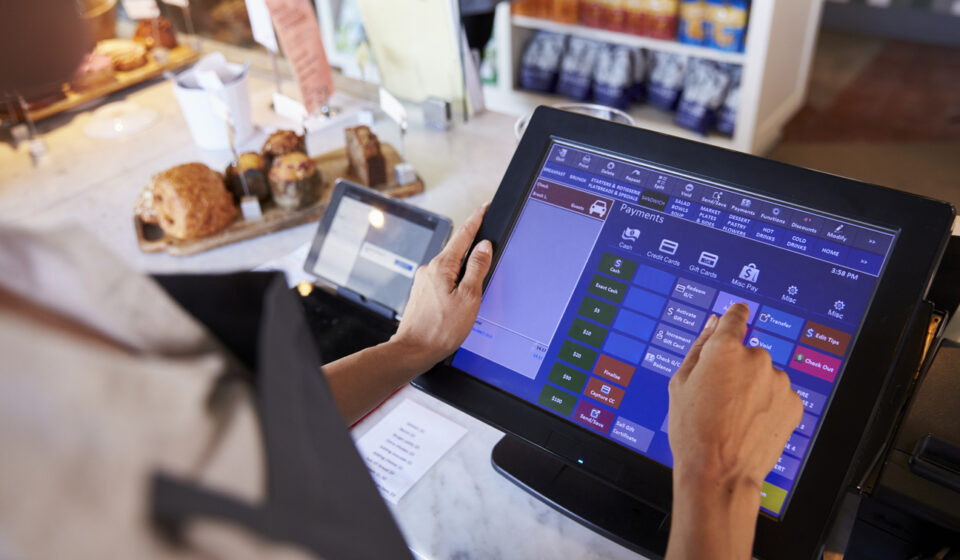

Choosing the right till point machine is an important decision for any business that wants to improve efficiency, accuracy, and customer service. Whether you operate a retail store, café, restaurant, pharmacy, or supermarket, the right system can simplify daily operations while supporting long-term business growth. Understanding the features that matter most will help you make a well-informed investment.
When comparing different options, it’s worth considering a reliable Till Point Machine that matches your business size, transaction volume, and operational requirements. A well-designed solution can handle sales processing, inventory management, customer information, and reporting from a single platform, making everyday tasks more efficient.
Understand Your Business Requirements
Every business has unique operational needs. Before selecting a till point machine, consider the type of products or services you offer, the number of daily transactions, and the size of your inventory.
Ask yourself questions such as:
- How many transactions do you process each day?
- Do you need inventory tracking?
- Will multiple employees use the system?
- Do you operate from more than one location?
Answering these questions will help narrow down the most suitable options.
Choose an Easy-to-Use System
A user-friendly interface is essential for fast and accurate transactions. Employees should be able to learn the system quickly without extensive training.
An intuitive layout also reduces mistakes at checkout and improves overall productivity.
Look for Inventory Management Features
Inventory management is one of the most valuable functions of a modern till point machine. A good system should automatically update stock levels after each sale and provide real-time inventory visibility.
Useful inventory features include:
- Barcode scanning
- Stock level monitoring
- Low-stock alerts
- Product categorization
- Purchase order management
These capabilities help businesses maintain accurate inventory records and avoid stock-related issues.
Support for Multiple Payment Methods
Customers expect flexible payment options. Choose a till point machine that accepts various payment methods, including:
- Credit and debit cards
- Contactless payments
- Mobile wallets
- Gift cards
- Cash payments
Offering multiple payment choices creates a more convenient shopping experience.
Review Reporting Capabilities
Business reports provide valuable insights into daily operations. Look for a system that generates reports on sales, revenue, inventory performance, and customer purchasing trends.
These reports help business owners make informed decisions and identify opportunities for improvement.
Consider Integration Options
A modern till point machine should integrate with other business software, including accounting platforms, e-commerce systems, customer relationship management (CRM) software, and marketing tools.
Seamless integration improves workflow efficiency and eliminates duplicate data entry.
Prioritize Security
Since the system handles payment information and business records, strong security features are essential. Look for encrypted transactions, secure user authentication, role-based access controls, and regular software updates.
These features help protect sensitive information and reduce security risks.
Think About Future Growth
Your business may expand over time, so choose a system that can grow with your needs. A scalable till point machine should support additional products, employees, locations, and increased transaction volumes without requiring a complete replacement.
Planning for future growth helps maximize your investment.
Compare Overall Value
Price is important, but it should not be the only factor when making your decision. Compare features, reliability, customer support, software updates, and long-term maintenance costs to determine the best overall value.
A dependable system often provides greater benefits over time than simply choosing the least expensive option.
Conclusion
Choosing the right till point machine requires careful consideration of your business needs, operational goals, and future plans. By focusing on ease of use, inventory management, payment flexibility, reporting, security, integrations, and scalability, you can select a solution that improves efficiency and enhances the customer experience. Investing in the right system today can help your business operate more smoothly and remain competitive in the years ahead.