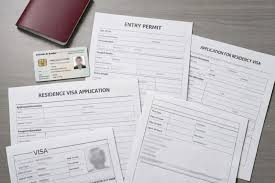

TL;DR: To secure your UAE residency smoothly, you need four essential documents: a valid passport, a recent passport-sized photograph, an entry permit, and a completed medical fitness certificate. Gathering these files correctly minimizes delays when applying for your United Arab Emirates visa and Emirates ID.
Moving to the United Arab Emirates is an exciting milestone for many professionals and families. The country offers excellent career opportunities, top-tier infrastructure, and a vibrant lifestyle. However, before you can settle in, you must successfully navigate the Dubai immigration process.
Getting your paperwork organized early is the best way to avoid unnecessary stress. The UAE has a highly efficient but strict immigration system. Missing a single file can delay your Emirates ID application, pushing back your ability to open a bank account, rent an apartment, or start working.
Understanding exactly what the authorities require will save you time and money. This guide outlines the core documents you must gather to ensure your residency application gets approved without a hitch. We also touch upon important cost factors for overseas applicants planning their move.
What to know about the dubai work visa price in pakistan before applying?
Budgeting for your relocation is just as important as gathering your paperwork. If you are applying from overseas, you might wonder about the specific costs involved. The Dubai work visa price in Pakistan varies depending on the type of visa, the duration of the contract, and the specific free zone or mainland jurisdiction issuing it.
Typically, your employer covers the primary costs of a standard employment visa. However, you should still prepare for personal expenses related to document attestation, medical check-ups in your home country, and travel arrangements. Knowing these initial costs helps you build a realistic relocation budget.
How does the dubai work permit visa price in pakistan impact your budget?
Similarly, the Dubai work permit visa price in Pakistan involves Ministry of Human Resources and Emiratisation (MOHRE) fees. While the hiring company generally pays for the work permit, some candidates might need to handle the costs of PRO services Dubai or translation services if their documents require special attention.
Understanding the distinction between the entry permit, the work permit, and the final residency visa helps you track which fees are your responsibility. Always verify with your prospective employer regarding which expenses they will reimburse once you arrive in the UAE.
The 4 Essential Documents You Need
1. A Valid Passport with Adequate Validity
Your passport is the most critical piece of identification. For a UAE residency application, your passport must be valid for at least six months from your date of entry. The immigration department will reject applications if the passport is close to expiring. Ensure that you have at least two blank pages available for visa stamping, although the UAE is rapidly moving toward digital visas tied to the Emirates ID.
2. Compliant Passport-Sized Photographs
You must provide recent passport-sized photographs that meet the strict UAE government guidelines. The photos must have a crisp white background, and you should be looking directly at the camera with a neutral expression. Glasses that obscure the eyes or reflect light should be avoided. Keep both digital and physical copies on hand, as different stages of the Emirates ID application may require them.
3. An Approved UAE Entry Permit
Before you can apply for full residency, you need an entry permit. This document is often referred to as a “pink visa” and allows you to enter the UAE for employment or family sponsorship purposes. Your employer or sponsor will apply for this permit on your behalf before you travel. Once you arrive in the country on this permit, you have a limited window—usually 60 days—to complete your medical tests and finalize your residency status.
4. A Passed Medical Fitness Certificate
Every applicant must pass a mandatory visa medical test upon arriving in the UAE. This test screens for communicable diseases such as tuberculosis and HIV. You will visit a government-approved medical center in the UAE to complete a blood test and a chest X-ray. Once you pass, you receive a medical fitness certificate. This certificate is absolutely mandatory to proceed to the final step of biometrics collection for your Emirates ID.
Helpful Tips for a Seamless Application
- Attest your documents early: If you are bringing dependents, you will need to provide attested marriage and birth certificates. Complete this process in your home country to save time.
- Double-check sponsor requirements: If you are applying for a family visa or a UAE golden visa, the sponsor requirements differ from a standard employment visa. Ensure your salary meets the minimum threshold to sponsor dependents.
- Keep digital backups: Scan every document in high resolution. Many UAE government portals require digital uploads before you present physical copies.
Ready to Start Your UAE Residency Journey?
Securing your UAE residency does not have to be an overwhelming process. By preparing your valid passport, compliant photographs, entry permit, and medical fitness certificate in advance, you set yourself up for a smooth transition. Taking the time to understand the requirements upfront means you can focus on enjoying your new life in the Emirates rather than stressing over paperwork.
Frequently Asked Questions (FAQ)
What is the minimum passport validity required for a UAE residency visa?
Your passport must be valid for at least six months from the date you intend to enter the UAE. If your passport is nearing expiration, renew it before starting your visa application to avoid immediate rejection.
Can I do the visa medical test in my home country?
No. While you may take tests in your home country for your own peace of mind, the UAE government only accepts medical fitness certificates issued by authorized, government-approved medical testing centers located within the UAE.
Who is responsible for paying the employment visa fees?
Under UAE labor law, the employer is legally responsible for paying the costs associated with your entry permit, medical test, Emirates ID application, and the final residency stamping.
How long does the Emirates ID application take?
Once you complete your medical test and biometrics fingerprinting, the Emirates ID usually takes between 7 to 10 working days to be processed and delivered. You can track the status online via the Federal Authority for Identity, Citizenship, Customs and Port Security (ICP) portal.
