
Introduction
Modern homes in 2026 are increasingly focused on seamless design, functional storage, and clean visual flow. One of the most in-demand interior upgrades is built in tv cabinet ideas, which combine entertainment, storage, and architectural integration into a single design solution.
Homeowners are no longer satisfied with bulky media units that dominate living spaces. Instead, they are looking for streamlined cabinetry that blends into walls, hides cables, and enhances the overall aesthetic. Brands like Knudson Cabinetry are responding with tailored solutions that align with evolving lifestyle needs, smart home integration, and minimalist design preferences.
2026 Design Trends for Built-In TV Cabinets
In 2026, interior design trends are shifting toward personalization and multi-functionality. Built-in media walls are now considered a core feature rather than an upgrade.
Key trends include:
- Floating cabinetry designs that create visual space and reduce clutter
- Integrated LED lighting for ambient mood control and nighttime viewing
- Hidden storage systems for gaming consoles, routers, and sound equipment
- Matte and natural wood finishes replacing high-gloss surfaces
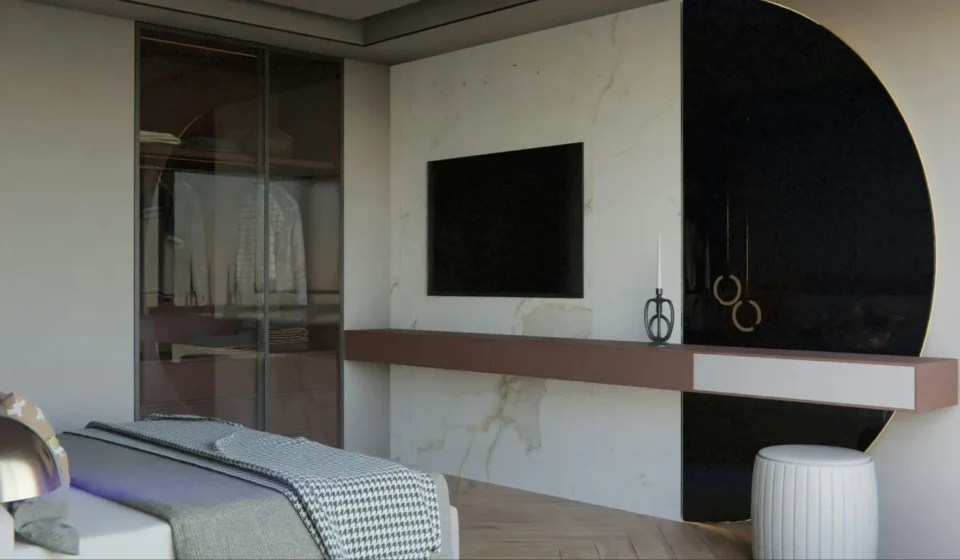
- Seamless wall integration where cabinetry blends into architectural panels
Another important shift is the use of modular layouts, allowing homeowners to adapt their entertainment units as technology evolves. Designers are also combining shelving with display niches for décor, creating a balance between function and style.
Planning Installation for Long-Term Functionality
Successful installation of built-in entertainment units requires careful planning before construction begins. In 2026, smart homes demand more than just visual appeal they require technical precision.
Important planning considerations include:
- Screen size and viewing height alignment
- Ventilation for electronic devices
- Concealed wiring pathways for clean aesthetics
- Wall strength and structural support
- Future upgrade flexibility for devices
Homeowners are increasingly working with cabinetry specialists early in the renovation process. This ensures the design fits both the architecture and the user’s lifestyle needs, rather than being forced into an existing space.
Proper planning also reduces long-term maintenance issues and ensures the system remains functional as entertainment technology advances.
Maintenance and Material Longevity
Built-in cabinetry is a long-term investment, so durability is essential. In 2026, material innovation has improved both performance and maintenance efficiency.
Recommended maintenance practices include:
- Regular dusting using microfiber cloths to preserve finish quality
- Avoiding harsh chemical cleaners on wood or laminate surfaces
- Checking concealed hinges and sliding mechanisms annually
- Ensuring proper ventilation around electronic compartments
Materials like engineered wood, high-pressure laminates, and moisture-resistant finishes are becoming standard. These not only extend product lifespan but also help maintain visual consistency over time.
Lighting systems integrated into cabinetry should also be checked periodically to ensure energy efficiency and performance stability.
Contractor Guide: Custom Design Integration
Choosing the right contractor is essential when investing in built-in furniture solutions. Skilled professionals ensure precision alignment, structural safety, and seamless aesthetics.
A growing trend in 2026 is integrating entertainment units with broader storage systems, including custom closets, to maintain design consistency across living spaces. This approach allows homeowners to unify storage design throughout the home, improving both functionality and visual harmony.
When selecting a contractor, consider:
- Portfolio experience in built-in cabinetry projects
- Ability to customize designs based on room dimensions
- Knowledge of modern cable management systems
- Use of durable, sustainable materials
- Post-installation support and adjustments
Knudson Cabinetry emphasizes tailored craftsmanship, ensuring each project is aligned with architectural structure and user behavior patterns.
Conclusion
The demand for built in tv cabinet ideas continues to grow as homeowners prioritize clean, functional, and technology-ready living spaces. In 2026, these designs are no longer just furniture—they are integrated architectural features that enhance daily living.
With careful planning, quality materials, and expert installation, built-in entertainment systems can significantly elevate both property value and lifestyle experience. Knudson Cabinetry continues to play a key role in delivering refined, future-ready solutions that meet modern design expectations.
FAQs
1. Are built-in TV cabinets suitable for small living rooms?
Yes, they are ideal for small spaces because they reduce clutter and maximize vertical storage while maintaining a clean layout.
2. Can built-in cabinets support large TVs in 2026?
Modern designs are engineered to safely support large and ultra-thin screens, provided proper wall reinforcement is used.
3. How long does installation typically take?
Depending on customization, installation can take from a few days to a couple of weeks, including design finalization and fitting.