
Australia has one of the highest vehicle ownership rates in the world. Millions of cars travel across the country every day. As more people buy new vehicles, more old cars reach the end of their life. This creates a growing problem for landfills, metal waste, and pollution. Vehicle recycling now plays a major role in reducing this pressure.
Many people once saw old cars as useless scrap. Today, that view has changed. Old vehicles contain metal, plastic, rubber, glass, and fluids that can damage the environment if left untreated. Recycling these materials helps reduce waste and lowers the need for raw resources. It also supports local industries and cuts energy use in manufacturing.
Australia now faces rising environmental concerns, growing urban waste, and higher demand for materials. Because of this, vehicle recycling matters more than ever before.
Australia Faces a Growing Vehicle Waste Problem
Every year, thousands of vehicles in Australia become unwanted due to age, accidents, flood damage, or mechanical failure. Many of these cars sit unused in backyards, garages, or vacant land. Others end up in dumping sites where harmful substances leak into the soil.
Old vehicles contain engine oil, brake fluid, coolant, fuel residue, and battery chemicals. These materials can pollute waterways and land if not handled in the right way. A single abandoned car may not seem serious, but large numbers create long-term environmental damage.
Australia also imports and sells large numbers of new vehicles each year. This means the number of old vehicles will continue to rise. Without proper recycling systems, waste from unwanted cars will place even more pressure on landfill sites already under strain.
Vehicle Recycling Reduces Landfill Waste
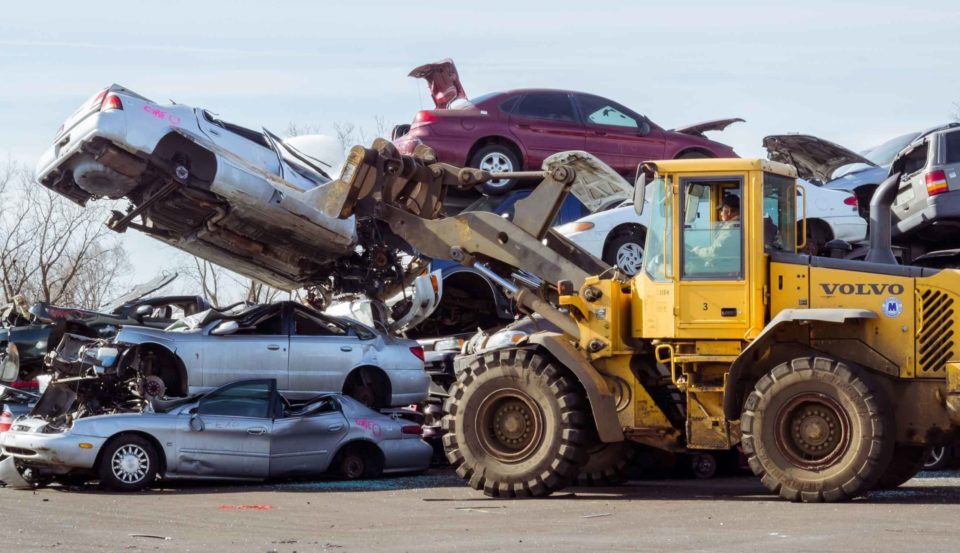
Landfills across Australia already deal with huge amounts of household and industrial waste. Vehicles add heavy and bulky material to this problem. A car contains large amounts of steel, aluminium, rubber, and plastic. These parts take years to break down naturally.
Vehicle recycling removes usable materials before the car reaches landfill. Metal parts can be melted and reused in manufacturing. Tyres can be processed into other rubber products. Glass and plastic components can also enter recycling streams.
This process reduces the amount of waste buried underground. It also lowers the need for new landfill areas, which helps protect natural land and nearby communities.
You can learn more about vehicle dismantling and recycling through this service: https://ezycarwreckers.com.au/sa-wreckers/
Recycling Saves Natural Resources
Modern vehicle production depends on large amounts of raw materials. Steel, aluminium, copper, and plastic all require mining and industrial processing. These activities consume water, fuel, and energy.
Recycling old vehicles allows industries to reuse materials already in circulation. Recycled steel uses far less energy than producing new steel from iron ore. The same applies to aluminium and copper.
Australia has strong mining industries, but resource demand continues to rise. Reusing materials from old vehicles helps reduce pressure on mining operations and lowers environmental harm linked to extraction.
Lower Energy Use Helps the Environment
Manufacturing new vehicle materials from raw resources requires major energy use. Mining, transporting, refining, and production all contribute to greenhouse gas emissions.
Recycling cuts several steps from this process. Reprocessed metal can move straight into production without heavy mining work. This lowers fuel consumption and reduces carbon emissions linked to industrial activity.
Australia continues to face climate challenges such as heatwaves, bushfires, and changing weather patterns. Reducing industrial emissions through recycling supports wider environmental efforts across the country.
Vehicle Parts Can Have a Second Life
Not every part from an old vehicle becomes waste. Many components still work well after a car reaches the end of its road life. Engines, gearboxes, mirrors, doors, batteries, wheels, and lights can often be reused.
Recycled parts help vehicle owners repair cars without relying only on newly manufactured products. This also reduces demand for raw material production.
Workshops and repair businesses across Australia often use recycled parts in older vehicles. This keeps useful materials in circulation for longer periods and reduces waste generation.
Unsafe Vehicle Disposal Creates Serious Risks
Improper vehicle disposal can create fire hazards, chemical leaks, and environmental contamination. Fuel tanks, batteries, and air conditioning gases require safe handling during dismantling.
When vehicles are dumped illegally or left exposed for years, dangerous substances may spread into nearby areas. Rainwater can carry chemicals into drains, rivers, and underground water sources.
Proper recycling centres follow controlled removal processes for fluids, batteries, and hazardous materials. This lowers risks for both people and the environment.
The Recycling Industry Supports Local Jobs
Vehicle recycling also supports employment across Australia. Many workers take part in vehicle collection, dismantling, parts sorting, scrap metal processing, transport, and material recovery.
The industry creates work in both metropolitan and regional areas. Skilled labour is needed to inspect parts, remove hazardous materials, and process recyclable components.
As environmental awareness grows, recycling industries continue to expand. This creates ongoing demand for workers involved in waste reduction and material recovery.
Australians Are Becoming More Environmentally Aware
People across Australia now pay closer attention to waste management and environmental impact. Many households recycle paper, plastic, and glass every week. Vehicle recycling has also become part of this wider environmental shift.
Car owners now understand that leaving an old vehicle unused for years may create environmental and safety concerns. Many people choose recycling services because they want vehicles removed in a cleaner and more responsible way.
Government discussions around sustainability and waste reduction have also increased public awareness. This has encouraged stronger interest in recycling programs across different industries.
Urban Growth Increases Pressure on Waste Systems
Australian cities continue to grow rapidly. More people means more vehicles on the road and more waste entering disposal systems. Urban expansion places extra pressure on landfill space and recycling facilities.
Old vehicles occupy valuable land when left unused on residential or commercial property. Recycling helps clear these spaces while recovering materials that still hold industrial use.
In growing cities, efficient waste handling becomes more important each year. Vehicle recycling supports cleaner urban areas and better land management.
Vehicle Recycling Supports a Circular Economy
A circular economy focuses on keeping materials in use for as long as possible. Instead of throwing products away after use, industries recover and reuse valuable resources.
Vehicle recycling fits this model well. Cars contain many reusable materials that can return to production rather than becoming waste. Metals from old vehicles may later appear in construction, appliances, machinery, or even new cars.
This approach reduces environmental strain and encourages more responsible resource use across industries.
Responsible Car Removal Services Play an Important Role
Many vehicle owners do not know what to do with damaged or unwanted cars. Some vehicles become too costly to repair, while others fail roadworthy standards. In these cases, removal services help move vehicles into recycling systems rather than leaving them unused for years.
In Adelaide, many owners turn to car body removal adelaide services from Ezy Car Wreckers when dealing with damaged or non-working vehicles. These services help remove cars that may otherwise occupy space or create environmental concerns. Once collected, vehicles can enter dismantling and recycling processes where usable materials and parts are recovered instead of wasted.
The Future of Vehicle Recycling in Australia
Australia will continue seeing higher vehicle ownership in coming years. Electric vehicles, hybrid systems, and newer technologies may also change how recycling works in the future. Batteries and electronic components will require new handling methods and recycling systems.
This means recycling industries will remain important for environmental management and resource recovery. Better recycling methods can reduce waste, lower pollution, and support cleaner production systems.
Public awareness, stronger recycling networks, and responsible disposal habits will shape the future of vehicle recycling across the country.
Final Thoughts
Vehicle recycling now holds greater importance than ever in Australia. Rising waste levels, environmental concerns, and growing demand for resources have made recycling a major part of modern waste management.
Old vehicles contain valuable materials that should not end up abandoned or buried in landfill. Recycling helps reduce pollution, recover resources, lower energy use, and support local industries.
As Australia continues to grow, responsible vehicle disposal will remain an important step toward cleaner communities and better environmental care.