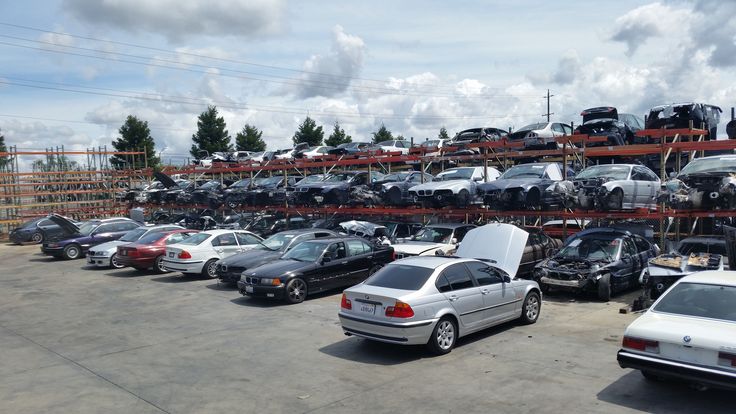

Cars do not last forever. After years on the road, many vehicles reach a point where repairs cost more than the car itself. Some cars also suffer damage from crashes, floods, or engine failure. When this happens, the vehicle often ends up in a car scrap yard.
Car scrap yards play a major part in cutting automotive waste. They help remove old vehicles from roads and stop large amounts of metal, plastic, glass, and rubber from ending up in landfill sites. They also support recycling and reduce the need for raw materials in the automotive industry.
Australia produces thousands of tonnes of vehicle waste every year. Without proper recycling systems, damaged and unwanted cars would create major environmental problems. Scrap yards help manage this issue through dismantling, recycling, and reuse.
What Is a Car Scrap Yard?
A car scrap yard is a place where old, damaged, and unwanted vehicles are collected and processed. Workers inspect each vehicle and remove parts that still work. These parts may include:
- Engines
- Gearboxes
- Tyres
- Batteries
- Mirrors
- Doors
- Radiators
- Seats
After useful parts are removed, the remaining shell goes through crushing and metal recycling.
Many scrap yards work with wreckers, metal recyclers, and auto part sellers. This process helps keep materials in use for a longer period.
Why Automotive Waste Is a Growing Problem
Modern vehicles contain many materials. A single car may include steel, aluminium, plastic, rubber, copper, glass, and fluids. If these materials are dumped without treatment, they can harm soil and water.
Oil and coolant leaks can pollute the environment. Batteries contain chemicals that may damage ecosystems. Tyres also create waste problems because they take many years to break down.
Australia has millions of registered vehicles on the road. As older vehicles reach the end of their life cycle, waste levels continue to rise. Scrap yards help reduce this pressure by recovering materials before disposal becomes necessary.
If you have an unwanted vehicle sitting at home, visit https://www.bestcashforcarz.com.au/cash-for-cars-frankston/
How Scrap Yards Reduce Landfill Waste
One major role of scrap yards is reducing landfill waste. A large part of a vehicle can be reused or recycled.
Steel is one of the most recycled materials in the world. Car bodies contain large amounts of steel, which can return to manufacturing plants for future use. Aluminium parts can also be melted and reused.
Plastic parts from dashboards, trims, and bumpers may go through recycling processes as well. Glass from windows and windscreens can also be recovered.
This process keeps large volumes of waste out of landfill areas and supports material recovery across many industries.
The Importance of Reusing Car Parts
Not every old car is completely useless. Many vehicles still contain parts in working condition. Scrap yards remove these items and prepare them for resale.
Used car parts help reduce manufacturing demand. Producing a new engine part requires energy, raw materials, and factory processes. Reusing existing parts cuts down this demand.
Many vehicle owners also buy second-hand parts to repair older cars. This keeps vehicles running longer and reduces unnecessary disposal.
Common reused parts include:
- Alternators
- Starter motors
- Headlights
- Suspension parts
- Air conditioning units
- Wheels
This reuse cycle supports waste reduction and extends product life.
Scrap Metal Recycling and Environmental Impact
Metal recycling saves energy compared to producing new metal from raw ore. Recycling steel requires less energy than mining and processing fresh materials.
This reduction helps lower industrial emissions. It also reduces mining activity, which can damage land and ecosystems.
Car scrap yards support this process by supplying large amounts of recyclable metal to processing plants. Once crushed and sorted, the metal enters recycling systems and returns to manufacturing chains.
This cycle supports resource conservation and lowers pressure on natural reserves.
Safe Removal of Harmful Materials
Old vehicles contain several hazardous substances. Scrap yards follow processes to remove these materials before recycling begins.
Fluids removed from vehicles often include:
- Engine oil
- Brake fluid
- Transmission fluid
- Coolant
- Fuel
Batteries also require careful handling because they contain lead and acid.
Tyres need proper disposal as well. When tyres are dumped illegally, they may create fire hazards and environmental damage.
Through controlled removal and treatment, scrap yards help lower pollution risks linked to end-of-life vehicles.
The Role of Technology in Modern Scrap Yards
Many modern scrap yards now use advanced equipment for dismantling and recycling. Machines can separate metals from plastics and sort materials with greater accuracy.
Vehicle tracking systems also help record parts and recycling data. This improves material recovery rates and supports environmental targets.
Some facilities use hydraulic crushers and shredders to process vehicles more efficiently. These systems help recover more recyclable material from every car.
As recycling rules continue to develop in Australia, technology will likely play a larger role in automotive waste management.
Economic Support Through Recycling
Car scrap yards also support local economies. The industry creates jobs in:
- Vehicle collection
- Mechanical dismantling
- Metal recycling
- Transport
- Auto part sales
Many small workshops and repair businesses rely on recycled car parts. Metal recycling companies also depend on scrap supply from vehicle yards.
This creates a connected system where waste materials continue to hold economic use rather than becoming rubbish.
Why Vehicle Owners Should Choose Proper Disposal
Some unwanted vehicles remain parked in garages, backyards, or empty land for years. Others may be dumped illegally. This creates environmental and safety issues.
Proper disposal through a licensed scrap yard supports recycling and safe handling. Vehicle owners also help reduce pollution and waste build-up.
Removing unused vehicles can also free up space and prevent further damage from leaking fluids or rust.
A proper disposal process gives old vehicles a final purpose through material recovery and reuse.
Understanding Vehicle Value Before Disposal
Many owners do not realise that even damaged vehicles may still carry value because of reusable parts and recyclable metal. Before sending a vehicle to a scrap yard, some people look into market pricing to understand what their car may be worth. In Melbourne, services like car valuation melbourne from Best Cash For Carz help vehicle owners assess the condition and possible return from unwanted cars. This process also supports informed decisions about recycling, resale, or wrecking rather than leaving old vehicles unused for long periods.
The Future of Automotive Recycling
Vehicle design is changing rapidly. Electric vehicles and hybrid cars now form a larger part of the automotive market. These vehicles contain different materials and battery systems that require specialised recycling methods.
Future scrap yards may need updated systems to handle lithium-ion batteries and electronic components safely.
Despite these changes, the core role of scrap yards will remain important. They will continue helping reduce waste, recover materials, and support recycling across the automotive sector.
Governments and environmental groups are also placing more focus on sustainable waste management. This may lead to stronger recycling programs and higher recovery targets in coming years.
Conclusion
Car scrap yards play a major role in cutting automotive waste across Australia. They reduce landfill pressure, recover reusable parts, recycle metal, and remove hazardous materials safely.
Without these recycling systems, old vehicles would create serious environmental problems. Scrap yards help turn damaged and unwanted cars into reusable resources instead of waste.
As vehicle numbers continue to grow, the need for proper recycling and disposal will remain important. Through dismantling, reuse, and material recovery, car scrap yards support a cleaner and more sustainable automotive industry.