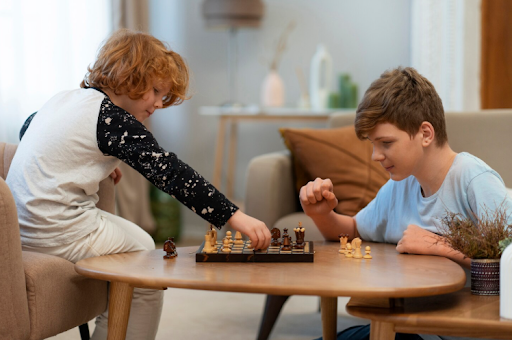

There is a point in chess when knowing the rules is no longer the difficult part. A player can develop pieces, recognize basic tactics, and finish simple games, yet still struggle when positions become less predictable. This stage requires a different kind of learning. Players need to compare plans, calculate variations, recognize positional changes, and understand why certain decisions work in one position but fail in another. Well structured online Intermediate chess classes can help players make this transition by giving them practical positions and guided opportunities to think beyond obvious moves.
Reading The Position Before Moving
Intermediate players often know several possible moves but have trouble deciding which one deserves attention first. The answer usually begins with understanding the position.
Before calculating variations, players should examine king safety, material balance, piece activity, pawn structure, and immediate threats. These details create the context for every move.
A position with opposite side castling may demand aggressive calculation, while a quiet endgame may reward patience and precise improvement. Learning to identify these differences helps players avoid choosing moves simply because they look active.
Comparing More Than One Candidate Move
Beginners often search for a move that works. Intermediate players need to start comparing moves.
Suppose a player can capture a pawn, improve a knight, or create pressure against the opponent’s king. Each option may have some merit. The stronger decision comes from examining what happens after each possibility.
Candidate move thinking gives players a practical framework. Instead of instantly playing the first attractive idea, they can pause, calculate, and compare the resulting positions. This habit becomes especially important when a position does not contain an obvious tactical solution.
Understanding Pawn Structures
Pieces can move from one square to another, but pawns often determine what those squares mean.
An isolated pawn, backward pawn, passed pawn, or fixed pawn chain can influence where pieces belong and which side of the board deserves attention. Intermediate players should learn to recognize these structures rather than treating every position as a completely new puzzle. Online Intermediate chess classes can help players study these structures through practical positions and guided analysis.
Pawn structures also help players form longer term plans. A weak pawn may become a target, while a passed pawn may become the central focus of an endgame. Understanding these relationships adds depth to decision making.
Turning Openings Into Positions
Intermediate players often memorize opening variations without fully understanding the positions they produce. Memorization can help, but it should not replace understanding.
A player should know why a particular piece belongs on a certain square, what pawn break is usually important, and which weaknesses can appear after a common exchange.
The goal is not to remember twenty moves perfectly. It is to reach a playable middlegame with an understanding of the resulting structure and plans. This makes opening preparation more flexible when an opponent chooses an unfamiliar variation.
Finding Plans In Quiet Positions
Tactical positions often tell players what to do. Quiet positions are more demanding because several moves may appear reasonable.
A player may need to improve the least active piece, create a useful pawn break, restrict an opponent’s strongest piece, or prepare a favorable exchange. These decisions cannot always be solved through a single tactical pattern. Players must identify what the position needs and then create a plan around that requirement.
This is one area where best Intermediate chess classes can provide useful practice, especially when instructors ask students to explain the purpose behind their moves rather than simply identify a correct answer.
Handling Time Without Losing Accuracy
Intermediate players often face a new challenge when games become more competitive. They may spend too much time calculating one position and then rush through several important decisions later.
Time management is closely connected to position evaluation. Not every move deserves the same amount of thought.
Forcing positions, tactical opportunities, and irreversible decisions usually require deeper calculation. Simple developing moves may not need several minutes. Learning to recognize these differences can help players use their clocks more effectively without turning every move into a lengthy calculation exercise.
Recognizing When To Simplify
Trading pieces is not automatically good or bad. The value of an exchange depends on what the resulting position offers.
A player ahead in material may consider exchanges that reduce counterplay. Another player may avoid a trade because keeping pieces creates attacking opportunities.
Intermediate training should therefore move beyond rules such as “trade pieces when ahead.” Players need to examine king safety, pawn structure, activity, and endgame possibilities before deciding whether an exchange improves their position. This helps develop more accurate positional judgment.
Building A Stronger Endgame Foundation
Endgames expose weaknesses that may remain hidden during complicated middlegames. With fewer pieces on the board, every move can have a visible consequence.
Intermediate players should become comfortable with king activity, pawn endings, basic rook techniques, opposition, passed pawns, and converting material advantages.
Endgame knowledge also changes middlegame decisions. A player who understands a favorable king and pawn ending may be more confident about simplifying when the opportunity appears. Studying endings therefore supports decision making across the entire game.
Using Online Training Beyond Watching
An online chess lesson becomes more valuable when students actively participate. A strong digital session can present a position and give players time to calculate before discussing the answer. Students can compare their ideas, explain variations, and see how different decisions change the position.
Interactive boards can also make analysis easier because players can test variations and return to the original position. This turns online learning into an active training environment rather than a passive lecture.
Players looking for the best online chess academy should therefore examine how much practical thinking and interaction the program includes.
Conclusion
Intermediate chess is less about collecting more moves and more about understanding the reasons behind them. Players need to evaluate positions, compare candidate moves, calculate variations, understand pawn structures, manage time, and recognize when a position calls for patience rather than immediate action.
The right training environment can make these skills easier to develop because students receive structured practice and useful feedback at the point where their thinking becomes more complex. With consistent study, practical games, and thoughtful analysis, players can continue moving toward stronger and more independent decision making. Chessbrainz can provide a structured learning environment for players who want to continue developing their chess skills beyond the beginner stage.
