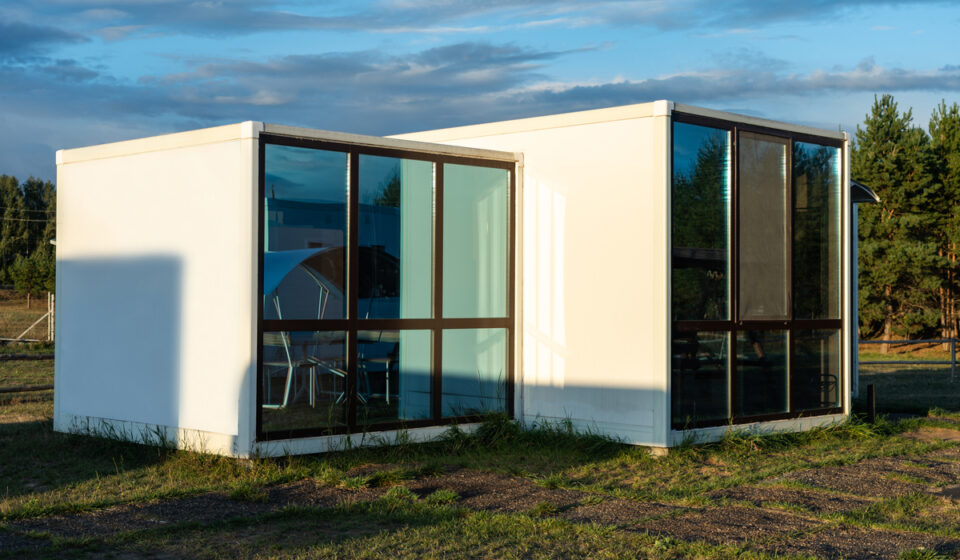

Rental demand depends on several factors, including location, rental prices, property condition, and access to daily services. A prefab house Philippines development may attract tenants seeking practical housing with manageable living costs. However, demand varies across communities, employment centers, and residential markets. The type of tenant, local infrastructure, and property features also influence occupancy rates.
1. Location and Accessibility
Location strongly influences rental demand because tenants consider their daily travel requirements before renting a home. Properties near workplaces, schools, hospitals, and commercial areas may attract more interest than those in isolated locations. Transport availability also affects convenience, especially for workers who commute regularly. In the Philippines, road conditions, traffic congestion, and public transportation access can influence how attractive a rental property appears to prospective tenants.
Distance From Employment Centers
Rental properties near business districts, industrial parks, and commercial establishments may appeal to employees seeking shorter commutes. Housing developments near factories can also attract workers who prefer living close to their workplaces. However, actual demand depends on employment stability, local housing supply, and rental affordability. Areas with limited transportation options may experience weaker demand despite having nearby employment opportunities.
Access to Essential Services
Proximity to grocery stores, healthcare facilities, schools, and public transportation can influence tenant interest. Families may prioritize access to educational institutions and medical services, while individual workers may value convenience stores and transport terminals. A prefab house Philippines development located near these facilities may serve several tenant groups. The surrounding community can therefore affect occupancy levels and the length of tenant stays.
2. Rental Affordability
Rental prices influence how many prospective tenants can afford a property. Households compare monthly rent with their income, utility expenses, transportation costs, and other living expenses. Prefabricated housing may have different development costs from conventional construction, depending on materials, design, site preparation, and installation requirements. These differences can affect rental pricing, although lower construction costs do not automatically result in lower monthly rents.
Local Income Levels
The income profile of an area helps determine the rental rates that tenants can reasonably afford. Communities with large numbers of minimum-wage workers may have different housing requirements from locations serving higher-income professionals. Rental demand can weaken when prices exceed the budgets of the intended tenant group. Property owners often assess local wages and competing rental rates when setting prices for their units.
3. House Design and Living Space
The design of a prefabricated house affects its suitability for different tenants. Floor area, bedroom arrangements, storage, ventilation, and privacy can influence rental preferences. Single workers may prefer compact units with lower monthly costs, while families may require separate bedrooms and additional living space. A design that matches the needs of the local population may attract more interest than one with unnecessary features or limited functionality.
Comfort and Indoor Conditions
Indoor comfort matters in the Philippine climate, where high temperatures, humidity, and heavy rainfall can affect residential living conditions. Insulation, roof design, ventilation, windows, and shading influence indoor temperatures and moisture control. Prefabricated houses differ in their materials and construction methods, so their thermal performance varies. Poor ventilation or excessive indoor heat may reduce tenant satisfaction, particularly during warmer months.
4. Property Maintenance and Durability
Property condition affects rental demand because tenants generally consider cleanliness, safety, and the expected reliability of building components. Roof leaks, plumbing problems, damaged finishes, and electrical faults can discourage prospective renters. Prefabricated structures also require maintenance suited to their materials and assembly methods. Corrosion protection, joint inspections, drainage, and moisture control can influence the condition of a rental property over time.
Maintenance expenses may also affect the rental price needed to cover operating costs. Properties with recurring repairs can become more expensive to manage, especially when units remain vacant during maintenance work. However, maintenance needs differ according to construction quality, exposure to weather, usage, and installation practices. These conditions can affect the long-term suitability of a prefab house Philippines development for residential leasing.
5. Local Housing Supply and Competition
Rental demand depends partly on the number and type of available properties within a community. An area with many vacant apartments, boarding houses, and small residential units may offer tenants several alternatives. Prefabricated houses compete with these options based on price, space, location, and condition. A shortage of suitable rental housing may support stronger demand, while an oversupply can increase vacancy periods.
Competition also depends on the preferences of the intended tenant group. Some renters prioritize private outdoor space, while others prefer furnished rooms or shared facilities near public transportation. Differences in rental terms, utility arrangements, and included services can influence comparisons between properties. The local supply of housing therefore affects how tenants evaluate prefabricated developments against conventional residential options.
6. Employment Opportunities and Population Movement
Changes in local employment can affect the number of people seeking rental accommodation. New factories, business centers, infrastructure projects, and commercial establishments may attract workers from nearby municipalities or other provinces. These workers may need temporary or long-term housing near their jobs. Rental demand can increase when population inflows exceed the available supply of suitable homes.
However, employment-related demand may change when projects end, businesses relocate, or workers return to their home communities. Developments serving seasonal workers may experience different occupancy patterns from those catering to permanent employees. Population movement, household formation, and migration trends can therefore influence rental demand. The intended tenant profile is particularly relevant when assessing housing requirements in developing commercial and industrial areas.
7. Infrastructure, Safety, and Environmental Conditions
Infrastructure affects the practicality of living in a rental property. Reliable electricity, clean water, drainage, road access, and telecommunications support everyday residential needs. Flooding, poor road conditions, and frequent utility interruptions can discourage tenants, even when rental prices are affordable. These conditions are particularly relevant in areas exposed to heavy rainfall, coastal hazards, or inadequate drainage systems.
Safety and environmental risks can also influence tenant preferences. Residents may consider neighborhood security, street lighting, emergency access, and the property’s exposure to flooding or strong winds. Prefabricated houses differ in structural design and resistance to environmental loads, making site conditions and construction specifications important considerations. Local infrastructure and hazard exposure can consequently affect the long-term rental appeal of residential developments.
Key Takeaway
Rental demand for prefab house Philippines developments depends on seven connected factors: location, affordability, design, maintenance, housing competition, employment opportunities, and infrastructure. Each factor affects the suitability of a property for its intended tenants. Convenient access to workplaces and essential services may strengthen interest, while excessive rental costs, poor indoor comfort, and environmental risks may reduce it. Local income levels, population movement, and competing housing options also influence occupancy. These conditions provide a practical basis for assessing rental demand and the long-term suitability of prefabricated housing in Philippine communities.