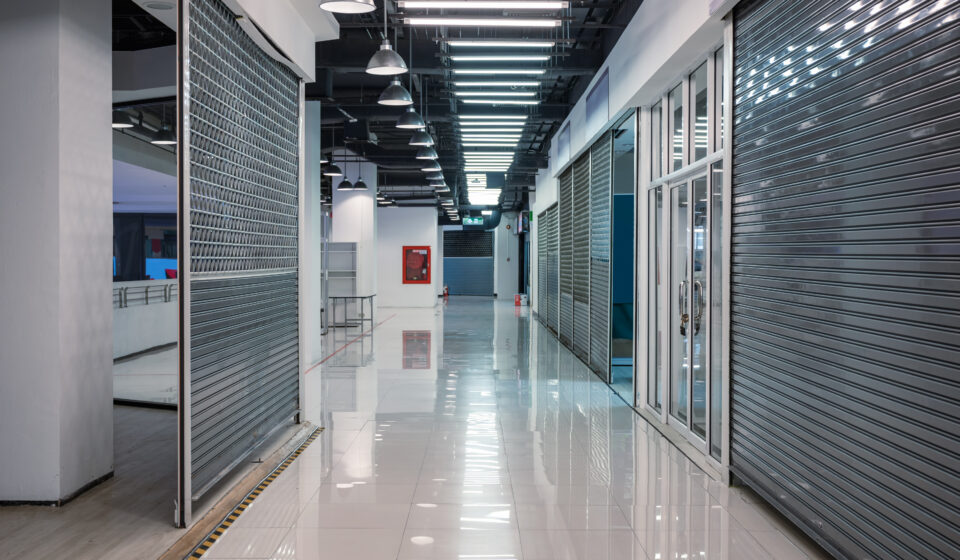

Businesses aiming to scale in 2026 should consider Manila’s evolving commercial real estate market. Securing a Commercial Space in Manila can position companies to leverage economic opportunities and infrastructure growth. With expanding industries and rising demand, commercial hubs like Makati and Ortigas Center are attracting diverse ventures. This article outlines five strategic reasons to act now on commercial space investments in the metro.
Economic Growth and Industry Expansion
Manila’s economy has consistently grown due to robust performance in tech, manufacturing, and services. To capitalize on these trends, businesses must align their physical presence with sector-specific demands.
Tech Startups Thrive in Metro Manila
The city’s startup ecosystem benefits from government incentives and a growing pool of tech talent. Manila now hosts incubators like the UP Innovation Hub, fostering innovation in fintech, logistics, and digital services. Businesses securing commercial space here gain early access to collaborative networks and innovation-driven partnerships.
Manufacturing and Export Growth
The automotive and electronics sectors are expanding due to increased export demand. Industrial parks in nearby Cavite and Laguna provide logistical advantages, but commercial spaces in Manila serve as critical nerve centers for supply chain oversight, R&D, and client management.
Leveraging Government Incentives
The Philippines’ investment promotion agencies, such as BOI and PEZA, offer tax breaks and simplified regulations for enterprises in strategic sectors. Businesses should evaluate how proximity to government offices and designated economic zones affects eligibility for these incentives.
Central Location Within the Philippines
Manila’s geographic position offers unmatched connectivity to domestic markets and international hubs. Strategic location advantages extend beyond physical transport to digital infrastructure.
Transportation Infrastructure Improvements
Airports like NAIA and Clark International facilitate global trade, while modernized roads and railways—including the ongoing Metro Manila Subway—enhance regional logistics. Businesses in central areas benefit from faster transit for employees and goods, reducing operational delays.
Digital Connectivity and Cloud Integration
Manila’s growing fiber optic networks and 5G rollout improve cloud-based operations. Proximity to data centers in Bonifacio Global City ensures low latency for tech-reliant businesses, making it a practical choice for firms prioritizing digital infrastructure.
Diverse Business Environment
The city’s mix of industries creates opportunities for cross-sector collaboration and niche market penetration. This diversity requires tailored occupancy strategies.
Flexibility Through Co-working Trends
Hybrid workspaces cater to startups and remote teams, offering scalable solutions without long-term commitments. This trend ensures that commercial spaces in Manila remain adaptable to varying business sizes and industries, from legal firms to creative agencies.
Assessing Foot Traffic for Retail Integration
Urban malls and lifestyle centers blend retail, dining, and office spaces, increasing foot traffic for businesses. For example, healthcare providers choosing spaces adjacent to transit hubs or supermarkets can see higher customer conversion rates.
Competitive Leasing Rates Compared to Peers
Manila’s commercial real estate offers cost advantages relative to global cities while delivering comparable infrastructure. Savvy investors use these savings for operational reinvestment.
Cost Efficiency vs. Other Metro Areas
Lease costs in Manila are lower than in Singapore or Hong Kong, making it attractive for budget-conscious firms. Mid-tier districts like QC’s Eastwood City provide modern facilities at even more favorable rates.
Lease Negotiation Tactics
Property managers increasingly offer adjustable terms to attract tenants. Negotiation frameworks favor tenants in semi-central areas: request phased rent increases tied to performance milestones, or include clauses for rent reduction if public infrastructure projects near the space (e.g., road expansions) cause temporary disruptions.
Developing Infrastructure
Government and private investments are transforming Manila’s urban environment. Forward-thinking businesses should align with long-term development plans.
Public Transit Expansion Impact
Projects like the Metro Manila Subway and expanded LRT lines reduce dependence on private vehicles. Businesses relocating near upcoming transit stations can secure locations ahead of anticipated property value hikes. For instance, districts along the new MRT Line 7 corridor show early signs of commercial real estate appreciation.
Sustainable Building Features
New office towers incorporate rainwater harvesting, solar panels, and energy-efficient cooling systems. Certifications like BERDE (Building for Ecologically Responsive Design Excellence) signal future compliance with potential government mandates on carbon footprint disclosures.
Evaluating Location-Specific Risks
While Manila offers strong returns, due diligence is required to mitigate common challenges. Businesses should adopt a structured risk assessment framework during site selection.
Flood Resilience Considerations
Low-lying areas in Manila face periodic flooding. Evaluate existing flood control measures—like the Napindan Hydraulic Control Structure—and insist on elevated building foundations or waterproof subterranean infrastructure when leasing ground-floor spaces.
Security and Neighborhood Stability
High-end commercial districts typically have dedicated security forces and private road maintenance. For cost-sensitive tenants, balancing safety with budget constraints means prioritizing spaces in buildings with biometric access controls and 24/7 CCTV coverage.
Key Takeaway
In 2026, businesses aiming to establish a strong presence should prioritize Commercial Space in Manila. The combination of growing economic resilience, strategic geographical positioning, and modern infrastructure creates ideal conditions for long-term success. Investing in the right location now ensures access to expanding customer bases and operational efficiencies that smaller markets can’t match.