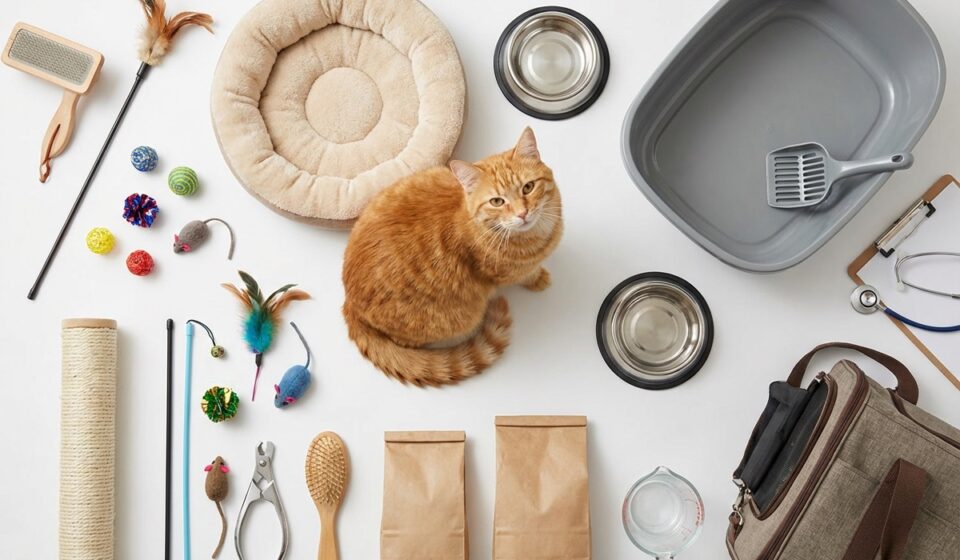

Welcoming a cat into your home—or ensuring your current feline companion has everything they need—requires thoughtful investment in quality cat supplies. From the essentials like food bowls and litter boxes to enrichment toys and grooming tools, the right supplies make the difference between a cat that merely survives and one that truly thrives. With the convenience of shopping for cat supplies online, pet parents now have access to an unprecedented selection of products delivered right to their doorsteps. Understanding what your cat needs, including critical aspects like how much dry food to feed a cat, empowers you to make informed decisions that support your pet’s health and happiness.
Essential Cat Supplies Every Owner Needs
Building a comprehensive collection of cat supplies starts with understanding the fundamental items every feline requires. These basics form the foundation of responsible cat ownership and ensure your pet’s daily needs are met.
Food and water bowls seem simple but deserve careful consideration. Stainless steel or ceramic bowls are superior to plastic, which can harbor bacteria and cause feline acne. Cats prefer wide, shallow bowls that don’t touch their whiskers—a condition called whisker fatigue that causes genuine discomfort. Consider elevated feeders for older cats with arthritis, as raised bowls reduce neck strain during meals.
Litter boxes and accessories rank among the most critical purchases. The general rule suggests one box per cat plus one extra. Choose boxes large enough for your cat to turn around comfortably—many commercial boxes are actually too small. High-sided or covered options contain litter scatter, though some cats prefer open designs. Don’t forget the scoop, liner bags, and a litter mat to minimize tracking throughout your home.
Scratching posts and pads aren’t luxuries—they’re necessities. Cats must scratch to maintain claw health, mark territory, and stretch their muscles. Without appropriate outlets, your furniture becomes the target. Offer various textures, including sisal rope, cardboard, and carpet. Vertical posts should be tall enough for full-body stretches, while horizontal scratchers appeal to cats with different preferences.
Beds and resting spaces provide security and comfort. While cats often choose unexpected sleeping spots, offering dedicated beds gives them cozy retreats. Consider covered cave-style beds for anxious cats who crave security, window perches for sun-loving felines, and heated beds for senior cats with arthritis. Multiple resting options throughout your home allow cats to choose based on mood and temperature.
Carriers are essential even for indoor-only cats. Veterinary visits, emergencies, and travel all require safe transport. Hard-sided carriers offer maximum protection, while soft-sided versions work for calm cats and short trips. Choose carriers that open from both top and front, making it easier to load reluctant cats. Leave carriers out with comfortable bedding so cats view them as safe spaces rather than alarming contraptions.
Shopping for Cat Supplies Online: Advantages and Tips
The digital revolution has transformed how we purchase cat supplies online, offering convenience and selection that physical stores struggle to match. Understanding how to navigate online shopping ensures you get quality products at competitive prices.
Unmatched variety stands as online shopping’s greatest advantage. Physical pet stores carry limited inventory constrained by shelf space. Online retailers showcase thousands of products from numerous brands, including specialty items rarely found locally. Whether you need prescription diet food, specialized grooming tools, or unique enrichment toys, online platforms provide access to virtually everything available in the pet supply market.
Price comparison and savings become effortless when shopping online. Within minutes, you can compare prices across multiple retailers, read reviews, and identify the best deals. Many online stores offer subscription services for recurring purchases like food and litter, providing automatic delivery and discounts of 5-15%. Free shipping thresholds encourage bulk buying, which often proves more economical than frequent small purchases.
Customer reviews provide invaluable insights impossible to obtain in physical stores. Reading experiences from hundreds or thousands of other cat owners helps you avoid poorly designed products and identify items that genuinely deliver on their promises. Look for products with substantial review counts and read both positive and negative feedback to get balanced perspectives.
Auto-ship programs eliminate the hassle of remembering to reorder essentials. Set up automatic delivery for cat food, litter, and other regularly consumed supplies. Most programs allow you to adjust delivery frequency easily and cancel anytime. This convenience ensures you never run out of critical items while maximizing savings through subscription discounts.
When shopping for cat supplies online, verify return policies before purchasing, especially for items like beds, carriers, or furniture where sizing and personal preference matter. Choose retailers with straightforward return processes. Check estimated delivery times to avoid running out of essentials. For food and medications, confirm expiration dates upon arrival and purchase from authorized retailers to ensure product authenticity.
Understanding How Much Dry Food to Feed a Cat
Among the most common questions cat owners ask is how much dry food to feed a cat. Proper portions prevent obesity while ensuring adequate nutrition—a balance critical to feline health and longevity.
General guidelines suggest most adult cats need approximately 20 calories per pound of body weight daily to maintain their current weight. Since dry cat food typically contains 300-500 calories per cup, a 10-pound cat requires about 200 calories daily, or roughly 1/2 cup of food. However, this is merely a starting point requiring adjustment based on individual factors.
Age significantly impacts nutritional needs. Kittens require substantially more food relative to their size because they’re growing rapidly. They need approximately twice the calories per pound as adults and should be fed kitten-specific formulas until 12 months old. Senior cats often need fewer calories due to decreased activity levels, though some lose weight with age and require calorie-dense foods to maintain a healthy body condition.
Activity level dramatically affects caloric requirements. An indoor cat who sleeps 18 hours daily needs far fewer calories than an outdoor cat who hunts, climbs, and patrols territory. Indoor cats are particularly prone to obesity since owners often overfeed while cats burn minimal calories. Conversely, highly active cats may need 20-40% more food than sedentary counterparts to maintain a healthy weight.
Individual metabolism varies considerably among cats. Some efficiently extract every calorie from food and gain weight easily, while others have faster metabolisms requiring more food. Spayed and neutered cats typically need 25-30% fewer calories than intact cats due to hormonal changes affecting metabolism. Monitor your cat’s body condition rather than relying solely on feeding guidelines.
Reading food labels is essential for accurate portioning. The guaranteed analysis shows minimum protein and fat percentages, while feeding guidelines suggest portions based on weight. Remember these are recommendations—actual needs vary. Check calorie content per cup, which often appears in small print or on manufacturer websites. Higher-quality foods with more digestible ingredients often require smaller portions than budget brands with fillers.
Body condition scoring helps you assess whether you’re feeding appropriate amounts. You should feel your cat’s ribs easily under a thin fat layer but not see them prominently. From above, cats should have a visible waist behind the ribs. From the side, the abdomen should tuck up slightly. If your cat lacks waist definition or has a pendulous belly, reduce portions by 10-25%. If ribs are very prominent, increase food gradually.
Measuring accurately prevents unintentional overfeeding. Use actual measuring cups rather than eyeballing portions or using random scoops. Even small daily excesses accumulate over time—just 10 extra calories daily can lead to a pound of weight gain annually. Split daily portions into two or three meals to stabilize blood sugar and prevent hunger-driven overeating.
Cat Supplies for Enrichment and Play
Mental stimulation and physical activity are crucial for feline well-being, making enrichment cat supplies nearly as important as food and water. Bored cats develop behavioral problems, including destructive scratching, inappropriate elimination, and aggression.
Interactive toys engage your cat’s hunting instincts. Wand toys with feathers, strings, or fabric create the erratic movements of prey, triggering your cat’s chase response. Rotate toys regularly to maintain novelty and interest. Interactive play sessions of 10-15 minutes twice daily provide crucial exercise and strengthen your bond.
Puzzle feeders transform mealtime into stimulating challenges. These devices require cats to manipulate objects to access food, engaging problem-solving abilities while slowing eating pace. Puzzle feeders combat obesity by making cats work for calories and reducing boredom eating. Start with simple designs and progress to more complex puzzles as your cat masters each level.
Catnip and silvervine products provide safe, enjoyable stimulation for many cats. About 70% of cats respond to catnip, experiencing temporary euphoria lasting 5-15 minutes. Silvervine affects some cats who don’t respond to catnip. Offer these treats in moderation—a few times weekly maintains their special appeal.
Cat trees and climbing structures satisfy natural climbing instincts while providing exercise. Vertical territory is especially important in multi-cat households, as it allows subordinate cats to access elevated spaces away from dominant individuals. Look for sturdy construction that won’t topple when cats jump on and off. Trees with multiple levels, hiding spots, and dangling toys provide maximum engagement.
Window perches offer entertainment through bird and squirrel watching—“cat TV” that mesmerizes felines for hours. Secure perches to window sills or walls, ensuring they support your cat’s weight safely. Position feeders outside windows to maximize viewing opportunities.
Health and Grooming Cat Supplies
Maintaining your cat’s health requires specific cat supplies beyond basic necessities. Preventive care through proper grooming and health monitoring prevents problems and catches issues early.
Brushes and combs prevent matting, reduce hairballs, and keep coats healthy. Long-haired cats need daily brushing with wide-toothed combs and slicker brushes to prevent painful mats. Short-haired cats benefit from weekly brushing with rubber curry brushes or bristle brushes that remove loose fur. Regular grooming reduces shedding throughout your home while providing bonding time.
Nail trimmers allow you to maintain appropriate claw length, protecting both your furniture and your cat’s paw health. Overgrown nails can curl into paw pads, causing pain and infection. Choose guillotine-style or scissor-style trimmers based on your comfort level. If trimming seems daunting, ask your veterinarian to demonstrate proper technique.
Dental care supplies, including toothbrushes and cat-safe toothpaste support oral health. Dental disease affects most cats by age three, leading to pain, tooth loss, and systemic health problems. Daily brushing dramatically reduces plaque and tartar buildup. Introduce dental care gradually, making it a positive experience with treats and praise.
First aid supplies prepare you for minor emergencies. A basic cat first aid kit should include gauze pads, adhesive tape, antiseptic solution, tweezers, a digital thermometer, and styptic powder to stop bleeding. Keep your veterinarian’s contact information and the poison control hotline number readily accessible.
Choosing Quality Cat Supplies
Not all cat supplies offer equal value. Learning to identify quality products protects your investment and your cat’s wellbeing.
Material safety should guide every purchase. Avoid products with small parts cats could swallow, toxic materials, or sharp edges. Toys should withstand vigorous play without breaking into dangerous pieces. Check for certifications indicating safety testing, especially for items cats will chew or ingest.
Durability versus price requires balance. The cheapest options often fail quickly, ultimately costing more through frequent replacements. Invest in quality items that last—a well-constructed cat tree may cost more initially but serves reliably for years, while cheap alternatives wobble dangerously and need replacement within months.
Brand reputation indicates likely product quality and customer service. Established brands with positive track records typically deliver consistent quality and stand behind their products. Research brands before purchasing, reading independent reviews rather than relying solely on advertising claims.
Your cat’s specific needs should drive purchasing decisions. A playful kitten needs different supplies than an arthritic senior cat. Consider age, health status, personality, and preferences when selecting products. A shy cat might prefer enclosed beds and covered litter boxes, while confident cats enjoy open spaces.
Frequently Asked Questions About Cat Supplies
Q1: What are the absolute must-have cat supplies for a new cat owner?
Essential cat supplies include food and water bowls (stainless steel or ceramic), high-quality cat food appropriate for your cat’s age, at least two litter boxes with litter and a scoop, a sturdy scratching post, a safe carrier for transport, basic grooming tools (brush and nail clippers), interactive toys for play, a comfortable bed, and a breakaway collar with ID tags. Don’t forget to schedule a veterinary appointment within the first week. These basics ensure your cat’s immediate needs are met while you gradually add enrichment items and specialized supplies based on your cat’s individual personality and preferences.
Q2: Is it safe to buy cat food and supplies online?
Yes, purchasing cat supplies online is generally safe when you choose reputable retailers. Buy from authorized dealers and well-known pet supply websites to ensure product authenticity and proper storage. Check expiration dates immediately upon arrival, especially for food and medications. Read customer reviews before purchasing unfamiliar brands. Avoid deals that seem too good to be true, as these may indicate counterfeit products. Major online retailers like Chewy, Petco, and PetSmart maintain strict quality standards. For prescription items, verify the pharmacy is licensed and requires valid prescriptions before dispensing medications.
Q3: How much dry food should I feed my cat daily?
Most adult cats need approximately 20 calories per pound of body weight daily. Since dry food contains 300-500 calories per cup, a 10-pound cat typically needs 1/3 to 1/2 cup daily. However, this varies based on age, activity level, metabolism, and whether you’re feeding exclusively dry food or combining it with wet food. Check your specific food’s calorie content and feeding guidelines as a starting point. Monitor your cat’s body condition—you should feel ribs easily without seeing them prominently, and your cat should have a visible waist. Adjust portions if your cat gains or loses weight. Split daily portions into 2-3 meals for better digestion and blood sugar stability.
Q4: How often should I replace my cat’s supplies?
Replacement frequency varies by item. Food and water bowls should be washed daily but last years unless damaged. Litter boxes need replacement every 1-2 years as scratches harbor bacteria. Scratching posts require replacement when worn smooth—typically every 1-2 years depending on use. Toys should be inspected regularly and discarded when damaged or if small parts become loose. Beds and blankets need washing weekly and replacement when worn. Carriers last indefinitely with proper care. Brushes and combs last years but replace when bristles bend or teeth break. Replace ID tags if information changes or text becomes illegible. Regularly inspect all supplies for wear and safety.
Q5: Should I buy expensive premium cat supplies or are budget options sufficient?
Balance cost with quality and longevity. For consumables like food and litter, premium options often provide better nutrition and performance, potentially reducing veterinary costs long-term. For durable goods, invest in quality for frequently used items—a sturdy cat tree, comfortable carrier, and effective scratching posts justify higher prices through years of use. Budget options work fine for items your cat may ignore or that need frequent replacement. Test inexpensive toys before investing in expensive versions. Avoid the absolute cheapest products, which often contain unsafe materials or fail quickly. Focus your budget on items directly impacting health and safety—quality food, secure carriers, and safe toys—while economizing on less critical purchases.
Read more: How to Choose the Best Shower Filter in USA for Your Home