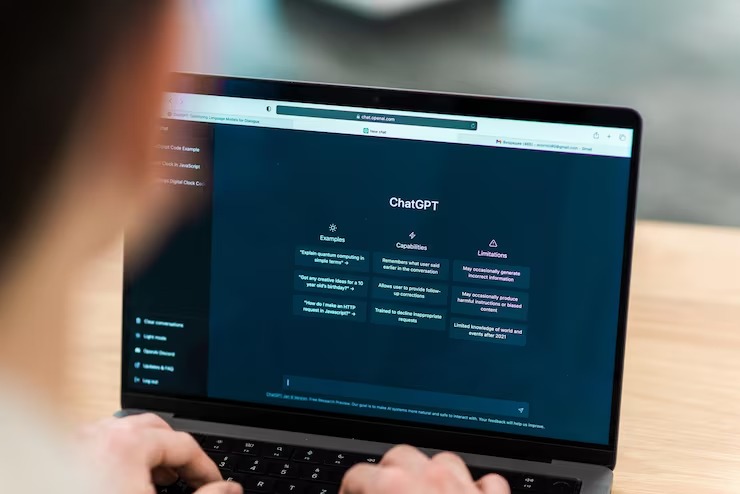

In today’s data-driven economy, enterprises handle massive volumes of sensitive information—customer records, financial data, intellectual property, operational insights, and more. As organizations increasingly adopt AI-powered systems, a critical question arises: How secure is LLM Software for enterprise data handling?
Large Language Model (LLM) solutions are transforming industries by automating workflows, generating insights, enhancing customer support, and streamlining communication. However, security remains a top priority for enterprises operating in highly regulated and competitive environments. This article explores the security architecture, compliance standards, risk mitigation strategies, and best practices that make modern LLM Software enterprise-ready.
Understanding Enterprise Data Risks in AI Systems
Before evaluating security, it’s important to understand the risks enterprises face when deploying AI solutions:
- Unauthorized data access
- Data leakage during model training or inference
- Insider threats
- Compliance violations (GDPR, HIPAA, SOC 2, etc.)
- API vulnerabilities
- Third-party integration risks
Traditional AI systems often struggle with centralized data storage and weak access controls. Enterprises need robust safeguards to ensure their AI deployments do not become security liabilities.
This is where advanced LLM Software solutions differentiate themselves.
Core Security Pillars of Enterprise-Grade LLM Software
1. End-to-End Data Encryption
Enterprise-grade LLM Software uses strong encryption protocols:
- Encryption in transit (TLS 1.2+)
- Encryption at rest (AES-256)
- Secure API communications
This ensures that data remains protected whether it is being processed, stored, or transmitted across systems.
2. Role-Based Access Control (RBAC)
Security begins with limiting access. Role-Based Access Control ensures:
- Only authorized personnel can view or modify data
- Granular permission management
- Activity logging for audit trails
RBAC significantly reduces internal security risks and helps enterprises maintain compliance.
3. Private Deployment Options
Many enterprises prefer:
- On-premise deployment
- Virtual Private Cloud (VPC) environments
- Dedicated infrastructure
Modern LLM Software platforms support secure deployment models that give organizations full control over their data ecosystem.
4. Data Anonymization and Masking
Sensitive enterprise data—like personally identifiable information (PII)—can be anonymized or masked before being processed by AI models. This reduces the risk of exposing confidential information during training or inference.
5. Compliance with Global Standards
Security is not just technical—it’s regulatory. Enterprise-ready LLM Software aligns with major compliance frameworks such as:
- GDPR
- HIPAA
- SOC 2
- ISO 27001
Compliance ensures that the system adheres to strict data protection standards required across industries like healthcare, finance, and legal services.
How LLM Software Handles Enterprise Data Securely
Unlike public AI tools that may store or reuse data for model improvement, enterprise-focused LLM Software platforms often provide:
- Zero data retention policies
- Isolated model instances
- Custom model training within secure environments
- Secure logging and monitoring
These features ensure that enterprise data is not exposed, shared, or repurposed without authorization.
For organizations seeking enterprise-grade AI infrastructure, partnering with experts like LLM Software ensures tailored implementation aligned with security and compliance needs.
Addressing Common Security Concerns
1. Does LLM Software Store My Data?
Enterprise deployments typically offer configurable data retention settings. Many providers allow businesses to:
- Disable logging of sensitive inputs
- Retain data only for specific durations
- Completely isolate data within private environments
2. Can LLMs Leak Sensitive Information?
When improperly configured, AI systems can pose risks. However, secure LLM Software implementations include:
- Prompt filtering
- Output validation
- Model fine-tuning within secure datasets
- Access-restricted knowledge bases
These measures significantly reduce the risk of data leakage.
3. What About Third-Party API Risks?
Secure implementations minimize dependency risks by:
- Using vetted integration partners
- Applying API authentication tokens
- Implementing IP whitelisting
- Continuous monitoring of API activity
Enterprise Security Architecture: A Layered Approach
The most secure LLM Software systems follow a defense-in-depth strategy, which includes:
- Infrastructure security (firewalls, intrusion detection systems)
- Application-level safeguards
- Data encryption
- Identity and access management
- Continuous threat monitoring
- Incident response protocols
Layered security ensures that even if one component is compromised, additional safeguards remain in place.
Industry-Specific Security Requirements
Healthcare
Healthcare providers require HIPAA-compliant AI solutions that protect patient data. Secure LLM Software platforms support encrypted medical record handling and strict access controls.
Finance
Financial institutions demand real-time fraud detection while maintaining strict compliance. Secure AI systems must adhere to financial regulatory standards and protect transactional data.
Legal
Law firms rely on confidential client documents. AI solutions must ensure document isolation and secure knowledge processing.
Data Governance and AI Transparency
Enterprises increasingly require transparency in AI systems. Secure LLM Software supports:
- Explainable AI outputs
- Audit trails for data processing
- Model usage tracking
- Governance dashboards
These features allow businesses to maintain oversight and accountability.
Best Practices for Secure LLM Software Deployment
Even the most secure platform requires proper implementation. Enterprises should:
- Conduct security audits before deployment
- Perform regular vulnerability assessments
- Train employees on secure AI usage
- Use secure API authentication methods
- Limit access to sensitive datasets
Partnering with experienced AI specialists can significantly reduce risks. Organizations can explore tailored enterprise AI strategies by visiting the official Contact us pageThe Role of DevSecOps in AI Security
DevSecOps integrates security throughout the development lifecycle. In the context of LLM Software, this means:
- Secure coding practices
- Automated security testing
- Continuous compliance validation
- Real-time threat detection
Embedding security into development ensures that vulnerabilities are addressed proactively rather than reactively.
Future of Secure LLM Software in Enterprises
As AI adoption grows, so will regulatory scrutiny and cybersecurity threats. The future of enterprise-ready LLM Software includes:
- Federated learning for decentralized data processing
- Confidential computing environments
- Homomorphic encryption techniques
- AI-driven anomaly detection
These innovations will further strengthen enterprise AI security frameworks.
Why Enterprises Trust Modern LLM Software
Enterprises choose secure LLM Software because it provides:
- Scalable AI infrastructure
- Data sovereignty control
- Compliance-ready deployment
- Customizable security configurations
- Transparent governance mechanisms
Security is no longer optional—it is foundational.
FAQs
1. Is LLM Software safe for handling sensitive enterprise data?
Yes, enterprise-grade LLM Software includes encryption, access controls, private deployment options, and compliance adherence to ensure secure data handling.
2. Can enterprises control where their data is stored?
Yes, many providers offer on-premise or VPC deployment models, allowing businesses to maintain full control over data storage.
3. Does LLM Software comply with international data protection regulations?
Secure implementations align with global standards such as GDPR, HIPAA, and SOC 2.
4. How can companies minimize AI-related security risks?
By conducting audits, implementing RBAC, encrypting data, restricting API access, and working with trusted AI partners.
5. Is LLM Software suitable for regulated industries?
Absolutely. With proper configuration, it is highly suitable for healthcare, finance, legal, and other compliance-driven sectors.
Final Thoughts
So, how secure is LLM Software for enterprise data handling? When implemented correctly with enterprise-grade infrastructure, encryption protocols, compliance standards, and governance frameworks, it can be highly secure and reliable.
However, security is not just about technology—it’s about strategy, implementation, and ongoing monitoring. Enterprises that invest in properly configured AI systems gain the dual advantage of innovation and protection.
As digital transformation accelerates, secure AI adoption will define competitive advantage. Choosing the right LLM Software partner ensures your organization leverages advanced AI capabilities without compromising data integrity or regulatory compliance.
Security and innovation can coexist—and with the right approach, they should.