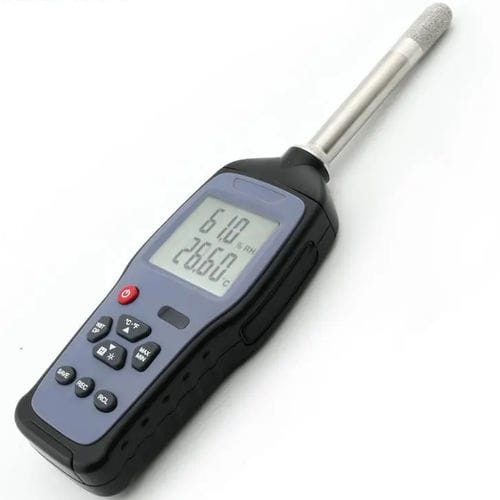
Hand-Held Hygrometer: The Ultimate Guide to Portable Humidity Measurement for Accurate Environmental Control

Maintaining proper humidity levels is critical for comfort, safety, and performance across many environments. Whether you are managing indoor air quality, protecting sensitive equipment, storing products, or ensuring optimal conditions in laboratories and industrial settings, monitoring moisture in the air is essential. This is where a Hand-Held Hygrometer becomes an invaluable tool.
Portable, reliable, and easy to use, these devices allow professionals to measure humidity anytime and anywhere. From HVAC technicians to warehouse managers, farmers, and homeowners, people rely on accurate humidity readings to prevent damage and maintain ideal environmental conditions. In this complete guide, you will learn how a Hand-Held Hygrometer works, its benefits, types, features, and practical applications.
What Is a Hand-Held Hygrometer?
A Hand-Held Hygrometer is a compact, portable device used to measure relative humidity (RH) and often temperature in the surrounding air. It helps determine the amount of moisture present in the atmosphere at any given time.
Unlike fixed monitoring systems, this portable tool allows users to quickly move between locations and take spot measurements. This flexibility makes it perfect for inspections, troubleshooting, and on-site testing.
Modern devices often combine humidity sensors with temperature probes, dew point calculations, and digital displays, providing comprehensive environmental data instantly.
Why Humidity Monitoring Matters
Humidity plays a major role in comfort, safety, and material integrity. Too much or too little moisture in the air can cause various issues, including:
Mold and mildew growth
Damage to wood and furniture
Corrosion of metal equipment
Product spoilage in storage
Static electricity problems
Health issues such as allergies or respiratory discomfort
Reduced HVAC efficiency
By using a Hand-Held Hygrometer, you can detect humidity problems early and take corrective action before they become expensive or hazardous.
How a Hand-Held Hygrometer Works
A Hand-Held Hygrometer uses sensors to measure moisture levels in the air and convert them into readable data.
Capacitive Sensors
These are the most common. They detect changes in electrical capacitance caused by moisture. They are fast, durable, and highly accurate for general use.
Resistive Sensors
These measure humidity based on changes in electrical resistance. They are affordable and suitable for everyday monitoring.
Thermal Sensors
Used in specialized industrial environments. They measure absolute humidity by detecting temperature differences.
The device processes the sensor readings and displays relative humidity percentages on a digital screen, often along with temperature.
Key Features of a Hand-Held Hygrometer
Modern hygrometers come with many advanced features that improve usability and accuracy.
Common features include:
Digital LCD display
Fast response time
High measurement accuracy
Temperature readings
Dew point calculation
Data logging capability
Memory storage
Backlight for low-light environments
Bluetooth or USB connectivity
Portable lightweight design
These features make a Hand-Held Hygrometer suitable for both quick checks and detailed analysis.
Types of Hand-Held Hygrometers
Different environments require different designs. Here are the most common types:
Basic Portable Hygrometers
Simple devices that display humidity and temperature. Ideal for home or office use.
Professional HVAC Hygrometers
Designed for technicians working with heating, ventilation, and air conditioning systems. They offer advanced measurements and higher accuracy.
Industrial Hygrometers
Built for harsh conditions such as factories or warehouses. These models are rugged and often include extended measurement ranges.
Multi-Function Meters
Combine humidity, temperature, dew point, and sometimes air velocity or moisture detection. These are ideal for comprehensive environmental testing.
Selecting the right type depends on your application and precision requirements.
Benefits of Using a Hand-Held Hygrometer
There are many advantages to using a Hand-Held Hygrometer regularly.
Portability
Compact and lightweight, allowing measurements anywhere without complex setup.
Quick Results
Instant readings help professionals make fast decisions during inspections.
Cost-Effective
Prevents damage to property and equipment by identifying issues early.
Improved Air Quality
Maintains healthy humidity levels for comfort and safety.
Versatility
Suitable for homes, offices, industrial sites, and outdoor environments.
These benefits make it a practical investment for both professionals and everyday users.
Common Applications
A Hand-Held Hygrometer is used across numerous industries and environments.
HVAC technicians test ventilation systems and indoor air quality
Warehouse managers monitor storage conditions
Museums protect artifacts from moisture damage
Farmers manage greenhouse humidity
Construction teams inspect building environments
Restoration experts assess water damage
Laboratories maintain controlled conditions
Homeowners ensure comfortable living spaces
This wide range of uses demonstrates how essential humidity monitoring has become.
Portable vs. Fixed Hygrometers
Understanding the difference helps you choose wisely.
Portable Devices
Best for inspections and spot checks. They offer flexibility and ease of movement.
Fixed Systems
Installed permanently for continuous monitoring. Ideal for large facilities requiring constant tracking.
Many professionals use both for complete control and accuracy.
How to Use a Hand-Held Hygrometer Properly
For accurate readings, follow these simple steps:
Turn on the device and allow it to stabilize
Hold it away from your body heat
Place it in the testing area for several seconds
Avoid direct airflow or sunlight
Record the readings
Correct usage ensures consistent and reliable measurements.
Maintenance and Calibration Tips
Proper care extends the life of your Hand-Held Hygrometer.
Keep sensors clean
Store in a protective case
Avoid extreme temperatures
Replace batteries regularly
Calibrate periodically
Follow manufacturer guidelines
Regular maintenance ensures the device remains accurate over time.
Choosing the Right Hand-Held Hygrometer
When selecting a model, consider:
Accuracy requirements
Measurement range
Response speed
Durability
Additional features
Budget
Frequency of use
If you need professional accuracy, invest in a higher-grade device. For casual monitoring, a basic model is sufficient.
Future Trends in Hygrometer Technology
Humidity measurement technology continues to evolve. Newer devices now offer:
Wireless monitoring
Smartphone app integration
Cloud data storage
Compact ergonomic designs
Enhanced sensor sensitivity
Longer battery life
These innovations make the Hand-Held Hygrometer smarter, faster, and more convenient than ever before.
Conclusion
Controlling humidity is essential for protecting property, maintaining comfort, and ensuring operational efficiency. A Hand-Held Hygrometer provides accurate, fast, and portable humidity measurements that help users prevent problems before they arise.
Whether you are working in HVAC, agriculture, construction, or simply improving indoor air quality at home, this small yet powerful device delivers big benefits. By choosing the right model and using it properly, you can maintain ideal environmental conditions with confidence and ease.