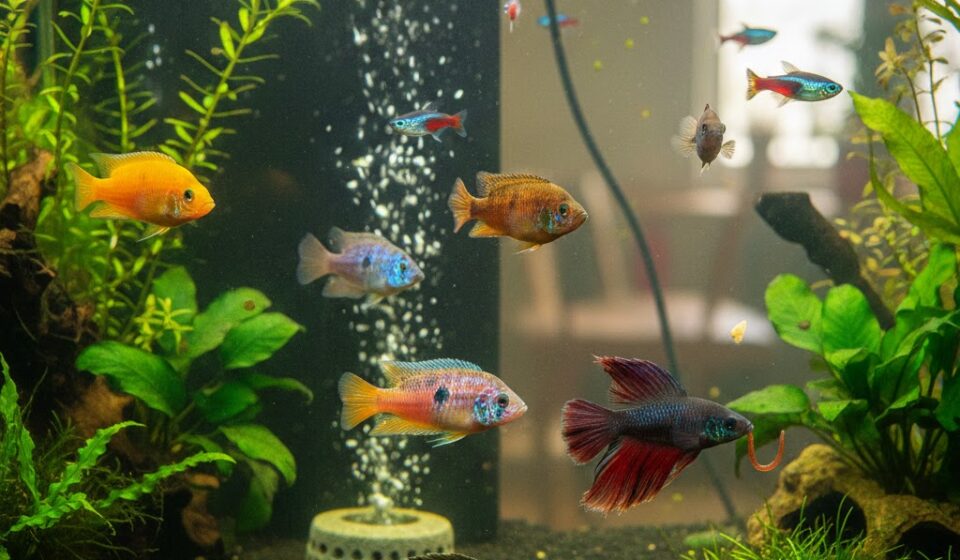

Entering the world of fishkeeping is an exciting journey, but it often starts with one critical question: What do freshwater fish eat? Providing the right freshwater fish food is the single most important factor in ensuring your aquatic pets thrive, rather than just survive.
In this comprehensive guide, we will dive deep into the world of aquatic nutrition, helping you identify the best fish food for freshwater fish and navigate the vast world of Pet Supplies Online. From the biological needs of different species to the latest industry trends, here is everything you need to know to become an expert in fish nutrition.
Understanding Fish Feeding Habits
Before you stock up on freshwater fish food, you must understand the “trophic category” of your fish. Just like land animals, fish have evolved to consume specific types of nutrients.
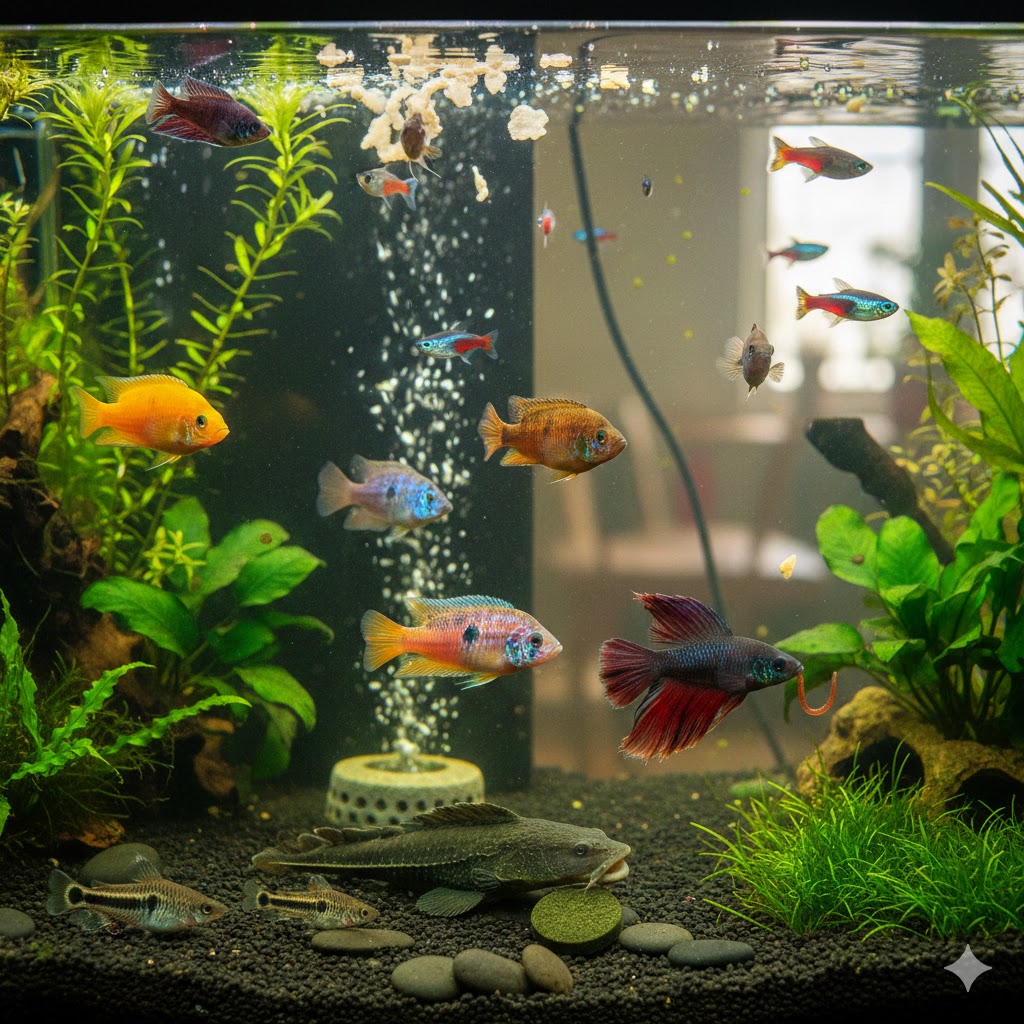
Herbivores (The Plant Eaters)
Herbivorous fish, such as Plecostomus, Silver Dollars, and certain African Cichlids, primarily consume algae, aquatic plants, and vegetable matter. Their digestive tracts are longer because plant cellulose takes more time to break down.
- Key Needs: High fiber, Spirulina, and plant-based proteins.
Carnivores (The Meat Eaters)
Carnivorous fish like Bettas, Oscars, and Arowanas are the predators of the tank. They require high-protein diets to fuel their energy and growth.
- Key Needs: High protein (45%+), amino acids, and fats.
Omnivores (The All-Rounders)
Most popular community fish including Guppies, Mollies, Tetras, and Goldfish are omnivores. They eat a mix of everything. A balanced diet for these fish involves both plant and animal-based ingredients.
Types of Freshwater Fish Food
When browsing Pet Supplies Online, the variety of food forms can be overwhelming. Each type serves a specific purpose based on where your fish live in the water column.
Flakes
The most common form of freshwater fish food. Flakes are ideal for surface and mid-water feeders. They float for a short period before slowly drifting down.
- Best for: Guppies, Tetras, and small community fish.
Pellets and Granules
Pellets come in floating, slow-sinking, and fast-sinking varieties. They are often more nutrient-dense than flakes and create less mess.
- Best for: Cichlids, Goldfish, and larger species.
Sinking Wafers and Tablets
These are designed to drop straight to the bottom. They are hard and take time to dissolve, allowing bottom-dwellers to graze.
- Best for: Corydoras, Loaches, and Shrimp.
Freeze-Dried and Frozen Foods
These are “treat” foods that provide a massive protein boost. Freeze-dried bloodworms or brine shrimp are convenient, while frozen options retain more natural moisture and vitamins.
Selecting the Best Fish Food for Freshwater Fish
How do you tell a high-quality food from a “filler” food? It all comes down to the ingredient label.
What to Look For:
- Whole Protein Sources: Look for “Whole Fish Meal,” “Shrimp Meal,” or “Black Soldier Fly Larvae” as the first ingredient.
- Specific Ingredients: Avoid generic “meat meal.” High-quality brands list specific fish, such as Salmon or Herring.
- Natural Color Enhancers: Ingredients such as Marigold and Astaxanthin (from shrimp) help your fish look vibrant without artificial dyes.
What to Avoid:
- Excessive Fillers: If wheat or corn is the first ingredient, the food is mostly “empty” calories that will lead to more fish waste and cloudy water.
- Artificial Preservatives: Avoid BHA, BHT, or Ethoxyquin where possible.
Nutritional Requirements by Species
| Fish Type | Primary Diet Type | Protein % Needed | Key Food Recommendation |
| Betta | Carnivore | 45% – 55% | High-protein micro-pellets |
| Goldfish | Omnivore | 30% – 35% | Sinking pellets (to prevent air gulping) |
| Pleco/Catfish | Herbivore | 25% – 30% | Algae wafers & fresh zucchini |
| Tetras/Guppies | Omnivore | 35% – 40% | Tropical flakes & daphnia |
| Cichlids | Varies | 35% – 45% | Species-specific Cichlid sticks |
Upcoming Trends in Aquatic Nutrition (2026)
The world of freshwater fish food is evolving rapidly. As we move through 2026, several key trends are shaping how we feed our pets:
- Insect-Based Proteins: Moving away from traditional fishmeal, many brands are using Black Soldier Fly larvae. This is more sustainable and closer to what fish actually eat in the wild.
- Functional Foods: We are seeing more “probiotic-infused” foods that improve gut health and “immune-boosting” formulas containing garlic and beta-glucans.
- Eco-Friendly Packaging: Pet Supplies Online retailers are shifting toward biodegradable pouches and recyclable tins to reduce the hobby’s plastic footprint.
- Soft-Moist Pellets: These mimic the texture of live prey, making them highly palatable for picky eaters while retaining high nutritional value.
How Much and How Often to Feed?
The biggest mistake beginners make is overfeeding. In a closed aquarium system, uneaten food rots, producing toxic ammonia.
- The 2-Minute Rule: Only feed what your fish can completely consume in two minutes.
- Frequency: Most adult fish only need to be fed once or twice a day.
- Fast Days: Many experts recommend skipping one day of feeding per week to allow the fish’s digestive system to “clear out.”
Where to Buy: Navigating Pet Supplies Online
Buying your freshwater fish food online offers the advantage of reading reviews and comparing nutrient profiles. When shopping for Pet Supplies Online, look for retailers that:
- Store food in climate-controlled environments (heat destroys vitamins).
- Offer “Freshness Guarantees.”
- Provide bulk buying options for staples like pellets.
FAQs: Freshwater Fish Nutrition
Q1: Can I feed my freshwater fish bread or crackers?
No. Human foods like bread contain yeast and processed sugars that fish cannot digest. This can lead to bloating, internal blockages, and severe water pollution.
Q2: My fish isn’t eating. What should I do?
First, check your water parameters (ammonia, nitrite, nitrate). If the water is fine, try “enticing” the fish with garlic-scented food or live/frozen treats like bloodworms.
Q3: Is it better to feed flakes or pellets?
For beginners, a mix is best. Flakes are great for surface feeders, but pellets are more concentrated and often lead to cleaner water if the fish eat them quickly.
Q4: Do I need to feed my “cleaner fish” (like Plecos) specifically?
Yes. Many beginners assume Plecos just eat “leftovers” or tank algae. They actually need their own sinking algae wafers to stay healthy.
Q5: How long does fish food stay fresh?
Once opened, the vitamins in dry food begin to degrade. It is best to use a container within 3-6 months. Keep it in a cool, dry place and never use wet hands to grab food from the jar.
Conclusion
Understanding what freshwater fish eat is a blend of science and observation. By choosing the best fish food for freshwater fish and avoiding the pitfalls of overfeeding, you set the foundation for a beautiful, thriving aquarium. Whether you are browsing Pet Supplies Online for the latest insect-based pellets or sticking to trusted flakes, always prioritize high-quality protein and variety.
Read More:- Is Your Freshwater Fish Food Nutritious Enough? What to Look For