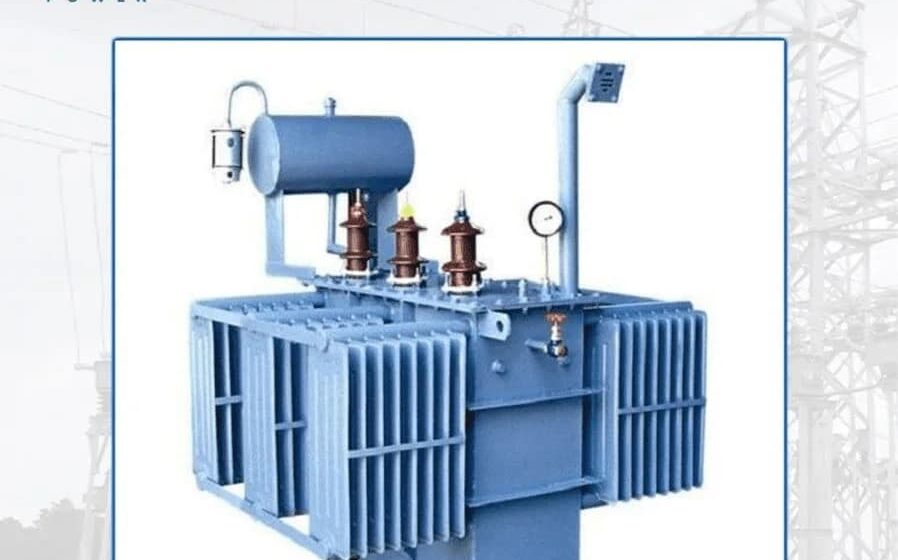

Industries need a safe and steady power supply for smooth daily operations. Machines, production lines, lighting systems, cooling units, and heavy equipment all depend on reliable electrical systems. This is why choosing the right transformer manufacturer in guwahati is an important decision for factories, warehouses, commercial buildings, and infrastructure projects.
A transformer helps control voltage and distribute power safely across industrial setups. If the transformer quality is poor or the design is not suitable, businesses may face downtime, energy loss, safety risks, and costly repairs. In this guide, we will explain how transformers support industries, what types are commonly used, key features to check, and how to choose the right manufacturer.
Why Transformers Are Important for Industrial Use
Industrial sites consume large amounts of electricity every day. Different machines and systems need different voltage levels. A transformer changes voltage levels so that electricity can be used safely and efficiently.
Here are some important reasons transformers are essential in industries:
Voltage Regulation
Power received from the grid may be too high or too low for industrial machines. Transformers step voltage up or down according to the need.
Safe Power Distribution
Factories usually have multiple departments and machines. Transformers help distribute electricity safely to each section.
Energy Efficiency
A good transformer reduces energy loss during transmission and operation.
Equipment Protection
Stable voltage helps protect costly industrial machines from damage caused by fluctuations.
Continuous Operations
Reliable transformers reduce breakdown risks and help businesses avoid production delays.
Common Industries That Need Transformers
Many sectors depend on quality transformers for daily work. These include:
- Manufacturing plants
- Food processing units
- Textile factories
- Steel and metal industries
- Hospitals
- Shopping malls
- Office buildings
- Warehouses
- Educational institutions
- Construction projects
- Telecom infrastructure
- Renewable energy plants
Each industry may need a different transformer type depending on power demand and environment.
Types of Transformers Used in Industrial Applications
Understanding transformer types helps businesses choose the correct solution.
Distribution Transformers
These are widely used to supply electricity to commercial buildings, factories, and local industrial zones. They provide final voltage conversion for end use.
Power Transformers
Used in high-load industries and large substations. They handle heavy power transfer efficiently.
Dry Type Transformers
These transformers do not use oil for cooling. They are suitable for indoor installations where fire safety is important.
Oil Cooled Transformers
These use insulating oil for cooling and are often used in outdoor or heavy industrial environments.
Isolation Transformers
Used to protect sensitive equipment and improve safety in electrical systems.
Furnace Transformers
Specially designed for high-current industrial heating and furnace applications.
Servo and Special Purpose Transformers
Used in industries where voltage stability and custom design are required.
Key Features to Look for in an Industrial Transformer
Choosing the right transformer is not only about size. Quality and technical features matter a lot.
Strong Build Quality
Industrial transformers should be built with durable materials that handle heat, load, dust, and long working hours.
High Efficiency
Energy-efficient transformers help reduce electricity waste and lower long-term operating costs.
Proper Cooling System
A good cooling design prevents overheating and improves life span.
Low Maintenance
Reliable transformers need fewer repairs and reduce service interruptions.
Safety Standards
The transformer should follow required electrical and manufacturing standards.
Noise Control
Low-noise transformers are useful in hospitals, offices, and commercial buildings.
Overload Capacity
Some industries need temporary load expansion. A transformer with suitable overload support can help.
Weather Resistance
Outdoor transformers should withstand rain, humidity, and changing weather.
Why Local Manufacturing Support Matters
Buying from a local supplier often offers practical benefits. A nearby manufacturer can understand local power conditions, climate, and industrial needs better.
Benefits include:
- Faster delivery
- Easier communication
- Quick site visits
- Better after-sales support
- Faster maintenance response
- Lower transport challenges
- Better spare parts availability
For industries running on tight schedules, quick support is very valuable.
How to Choose the Right Transformer Capacity
Transformer capacity depends on total connected load and future expansion plans. If the capacity is too small, the transformer may overheat or fail. If too large, you may spend more than necessary.
Important factors to consider:
Total Load Requirement
Calculate the total power used by all machines and systems.
Starting Current
Some motors need higher current at startup.
Future Growth
Choose a transformer that can support business expansion.
Power Factor
This affects real power demand and transformer sizing.
Usage Pattern
Continuous operations need stronger planning than occasional use.
Always consult experienced professionals for correct sizing.
Importance of Installation Quality
Even the best transformer can perform poorly if installation is not done correctly.
Proper installation should include:
- Strong foundation
- Correct earthing system
- Safe cable connections
- Ventilation space
- Fire safety measures
- Clearance for maintenance
- Protection panels and breakers
Professional installation increases safety and performance.
Maintenance Tips for Long Transformer Life
Regular maintenance helps prevent sudden failures.
Routine Inspection
Check for leaks, unusual sounds, overheating, or loose parts.
Cleaning
Dust and dirt can affect cooling systems and insulation.
Oil Testing
For oil transformers, oil quality checks are important.
Temperature Monitoring
High temperature may indicate overload or internal issues.
Tightening Connections
Loose terminals can create heat and voltage drop.
Load Review
Avoid operating above rated capacity for long periods.
Annual Servicing
Periodic professional servicing improves reliability.
Signs You May Need Transformer Replacement
Old or damaged transformers can create serious risks. Common warning signs include:
- Frequent tripping
- Excessive heating
- Burning smell
- Loud humming noise
- Oil leakage
- Voltage fluctuation
- Reduced machine performance
- Rising maintenance cost
If these signs continue, inspection or replacement may be necessary.
Role of Custom Transformers in Industries
Many industrial operations have unique power requirements. Standard transformers may not always be enough. Custom-designed transformers can provide better results.
Examples include:
- Special voltage ratings
- Compact size designs
- High-temperature areas
- Marine or outdoor use
- Solar power integration
- Heavy machinery loads
- Sensitive electronics support
A manufacturer with custom engineering ability can be very useful.
Energy Efficiency and Cost Savings
Modern transformers are designed to reduce core and copper losses. This helps businesses save energy over time. Though efficient transformers may cost more initially, long-term savings can be significant.
Benefits of efficient models:
- Lower electricity bills
- Less heat generation
- Longer equipment life
- Reduced carbon footprint
- Better return on investment
For industries with high daily power use, efficiency should be a priority.
Safety Considerations for Industrial Transformers
Safety must never be ignored. Transformers carry high voltage and large current loads.
Important safety measures:
- Proper fencing or restricted access
- Warning signs
- Fire extinguishing systems
- Earthing protection
- Trained maintenance staff
- Regular inspections
- Use of quality components
Following safety practices protects workers and property.
Questions to Ask Before Buying
Before finalizing a transformer supplier, businesses should ask:
- What transformer types do you manufacture?
- Can you provide custom solutions?
- What standards do products follow?
- What is the expected delivery time?
- Do you offer installation support?
- Is maintenance service available?
- What warranty is provided?
- Can you help with future upgrades?
These questions help compare suppliers wisely.
Why Guwahati Is a Growing Industrial Location
Guwahati is becoming an important commercial and industrial center in Northeast India. Growing infrastructure, logistics development, and rising business activity are increasing demand for electrical equipment.
As more factories, offices, and projects grow in the region, dependable transformer solutions become more important for stable operations.
Conclusion
Choosing the right transformer is a long-term investment for any industry. The right product improves safety, reduces downtime, supports machine performance, and saves operating costs. Businesses should focus on quality, efficiency, service support, and correct technical sizing before purchase.
If you are searching for a trusted transformer factory in guwahati, Prabha Power can be a reliable name to explore for industrial transformer solutions, dependable support, and long-term performance.
