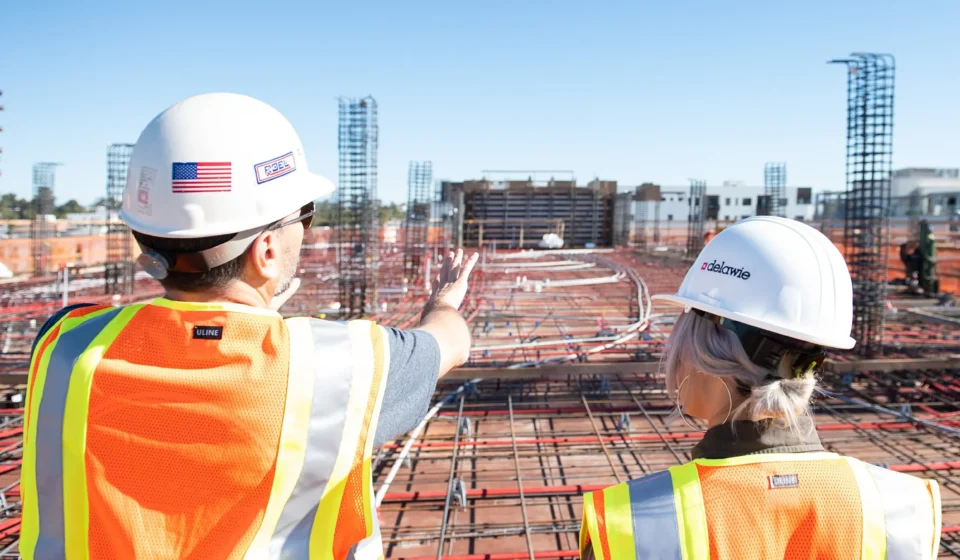

Construction sites are fast-paced environments where clear communication can mean the difference between efficiency and costly mistakes. In many regions across the United States, a significant portion of the construction workforce speaks Spanish as a first language. This creates a communication gap that supervisors, contractors, and team members must address to maintain safety and productivity.
Taking a construction spanish course can help bridge this gap effectively. Rather than relying on hand gestures or broken phrases, professionals can develop the language skills needed to give instructions, understand feedback, and build stronger working relationships. This is not just about language—it is about improving workflow, safety, and team cohesion.
Why Construction Spanish Matters in Today’s Industry
The construction industry is becoming increasingly diverse. On many job sites, bilingual communication is not optional—it is essential. When workers and supervisors understand each other clearly, tasks are completed faster and with fewer errors.
From a safety perspective, language barriers can be dangerous. Misunderstanding a simple instruction like “turn off the power” or “secure the ladder” can lead to serious accidents. A construction Spanish course focuses on industry-specific vocabulary, making it easier to communicate critical instructions.
There is also a leadership advantage. Supervisors who can speak even basic Spanish often earn more respect from their teams. This builds trust, improves morale, and leads to better overall performance. It shows effort, cultural awareness, and professionalism.
Step-by-Step Guide to Learning Construction Spanish
Step 1: Focus on Industry-Specific Vocabulary
Start by learning the most commonly used construction terms. These include words for tools, materials, and actions. For example:
- Hammer, drill, ladder
- Concrete, wood, steel
- Lift, cut, measure
Learning these words first allows you to communicate basic instructions immediately. This targeted approach is far more effective than general language learning.
Step 2: Practice Common Job Site Phrases
Once you know the vocabulary, move on to phrases used daily on construction sites. Examples include:
- “Measure this area”
- “Be careful here”
- “Finish this by today”
Practice these phrases repeatedly until they become natural. Many professionals find that memorizing practical sentences is more useful than focusing on grammar in the beginning.
Step 3: Use Real-World Scenarios
The best way to learn is by applying knowledge in real situations. Try using Spanish during daily tasks, even if it feels uncomfortable at first. Start small:
- Greet workers in Spanish
- Give simple instructions
- Ask basic questions
Over time, confidence builds naturally.
Step 4: Incorporate Listening Practice
Understanding spoken Spanish is just as important as speaking it. Workers may speak quickly or use regional variations. Listen to construction-related audio, videos, or conversations to improve comprehension.
Step 5: Learn Safety Terminology
Safety language should be a top priority. Make sure you can clearly communicate:
- Emergency instructions
- Warning signs
- Equipment usage
This step is critical for reducing workplace risks.
Common Mistakes to Avoid
Ignoring Pronunciation
Many learners focus only on memorizing words but ignore pronunciation. Poor pronunciation can lead to confusion, especially in a noisy construction environment. Take time to practice speaking clearly.
Learning Generic Spanish Only
General Spanish courses may not cover construction-specific terms. This can limit your effectiveness on the job. Always prioritize industry-relevant vocabulary.
Being Afraid to Make Mistakes
Hesitation slows down learning. Many professionals avoid speaking because they fear making errors. In reality, making mistakes is part of the process. Workers often appreciate the effort and respond positively.
Overloading with Too Much Information
Trying to learn everything at once can be overwhelming. Focus on small, consistent progress. Learning five new terms a day is more effective than cramming fifty and forgetting them.
Practical Tips from Industry Experience
Start with High-Impact Words
Focus on words and phrases you use daily. For example, instructions related to measurements, tools, and safety will have the biggest impact on your workflow.
Create a Pocket Reference
Keep a small notebook or digital list of important terms. Refer to it during work until the words become second nature. This is especially helpful during the early stages.
Practice with Your Team
Your job site can become your classroom. Ask bilingual workers to help you practice. This creates a collaborative learning environment and strengthens team relationships.
Use Repetition to Build Confidence
Repetition is key. Use the same phrases consistently until they feel natural. Over time, you will expand your vocabulary without even noticing it.
Focus on Listening as Much as Speaking
Understanding responses is crucial. Pay attention to how workers speak and try to identify patterns. This will improve your ability to hold real conversations.
Set Realistic Goals
Instead of aiming for fluency immediately, set practical goals:
- Week 1: Learn 20 basic terms
- Week 2: Use 5 phrases daily
- Week 3: Hold short conversations
This structured approach keeps you motivated and on track.
Real-World Example: Improving Job Site Efficiency
Consider a project manager overseeing a mixed-language crew. Initially, communication relied on translators or bilingual workers, which slowed down operations. Instructions had to be repeated multiple times, leading to delays and occasional mistakes.
After completing a construction Spanish course, the manager began giving direct instructions in Spanish. Even though the language was not perfect, it significantly improved efficiency. Workers understood tasks faster, fewer errors occurred, and the overall workflow became smoother.
This example highlights how even basic language skills can create a noticeable impact.
Conclusion
A construction Spanish course is more than a language-learning tool—it is a practical investment in safety, productivity, and leadership. In an industry where communication is critical, the ability to speak and understand Spanish can set professionals apart.
By focusing on industry-specific vocabulary, practicing real-world phrases, and applying knowledge consistently, anyone can develop useful language skills. Avoid common mistakes, stay patient, and prioritize steady progress.
In the end, the goal is not perfection but clarity. When communication improves, so does everything else on the job site—from safety to teamwork to project success.