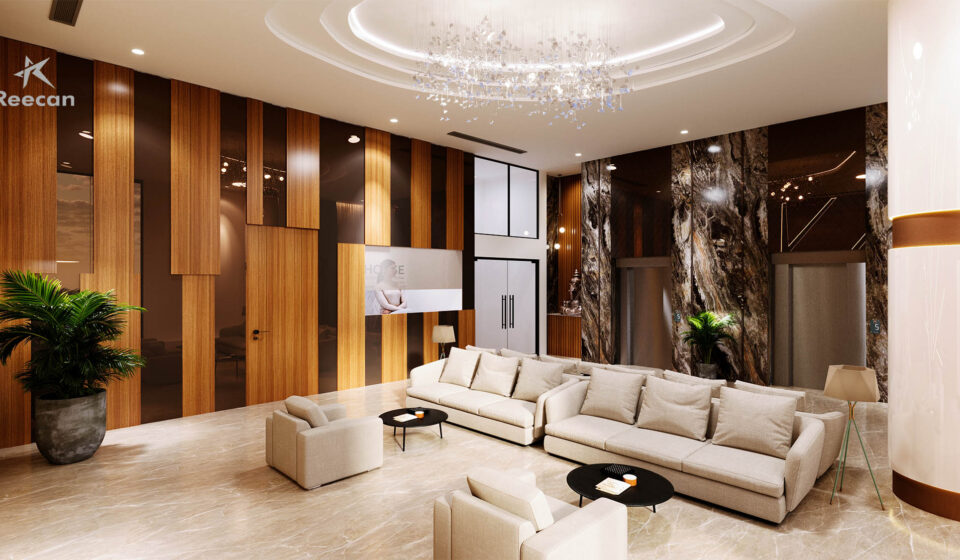

Designing a commercial space is not just about making it look attractive—it’s about creating an environment that supports productivity, comfort, and brand identity. A skilled commercial interior designer understands how to balance aesthetics with functionality, ensuring every corner of a workspace serves a purpose.
Business Requirements
Every business operates differently, and its workspace should reflect that. A corporate office, retail showroom, restaurant, or co-working space all have unique needs. A commercial interior designer begins by understanding the company’s workflow, team size, and daily operations. This helps in designing a layout that supports smooth movement, efficient communication, and better use of space. When the design aligns with the business needs, it naturally improves overall performance.
Smart Space Planning
Space planning is one of the most important parts of commercial interior design. It involves organizing the available area in a way that maximizes functionality without making it feel crowded. Modern workplaces often prefer open layouts that encourage collaboration, along with dedicated quiet zones for focused tasks. Flexible furniture, modular workstations, and multi-purpose areas are widely used to make the space adaptable for different needs. Good space planning ensures that every inch is used wisely.
Functionality and Comfort
A visually appealing office is important, but functionality is what truly makes it successful. Proper lighting, ventilation, and acoustics are essential for creating a comfortable environment. Ergonomic furniture, such as supportive chairs and adjustable desks, helps reduce fatigue and improves productivity. Designers also consider factors like noise control and temperature balance to make sure employees can work without distractions. A comfortable workspace leads to happier and more efficient teams.
Reflecting Brand Identity
A commercial space should tell the story of the brand. Interior design plays a big role in shaping how clients and visitors perceive a business. Colors, materials, furniture, and decor elements can all reflect the company’s personality and values. For example, a creative agency might use bold colors and modern designs, while a corporate office may prefer a clean and professional look. A well-designed space creates a strong first impression and builds trust with clients.
Integration of Modern Technology
Today’s commercial spaces are becoming smarter with the use of technology. Automated lighting systems, energy-efficient solutions, and smart security features are now commonly included in design plans. These additions not only improve convenience but also help businesses save on long-term costs. Technology also supports better communication and connectivity within the workspace.
Conclusion
A Corporate Interior Designer plays a vital role in shaping modern workplaces. By focusing on smart planning, functionality, and brand identity, they create spaces that are both practical and visually appealing. A well-designed commercial space not only enhances productivity but also leaves a lasting impression on clients and employees alike.
Beyond just design, their work directly impacts how people feel and perform within a space. A thoughtfully designed office can boost employee morale, encourage collaboration, and reduce stress levels. From choosing the right color combinations to selecting comfortable furniture and efficient layouts, every decision is made with purpose. Designers also pay attention to future needs, ensuring that the space remains flexible and adaptable as the business grows.
