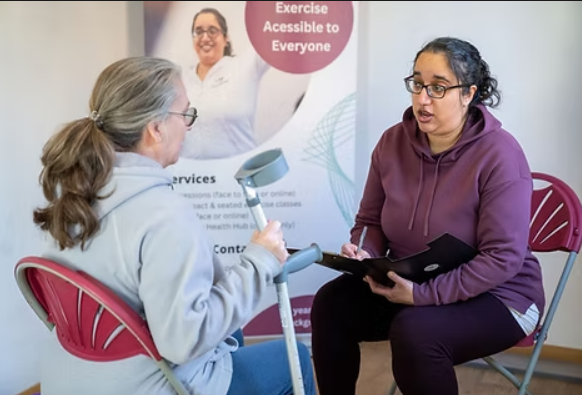

Many people want to stay active but worry about injuries, joint pain, or physical limitations. High-intensity workouts can feel overwhelming, especially for beginners, seniors, or those recovering from health conditions.
Low impact fitness classes offer a safer and more manageable way to exercise. These classes focus on gentle, controlled movements that improve strength, flexibility, and balance without placing excessive strain on the body.
But are these classes the right fit for you? This article will help you decide by explaining who benefits most, what to expect, and how to choose the right program.
What Are Low Impact Fitness Classes?
Low impact fitness classes include exercises that reduce stress on joints while still delivering effective results. These workouts avoid jumping, running, or sudden movements.
Instead, they focus on:
- Controlled strength exercises
- Gentle stretching
- Balance training
- Light cardio movements
Participants usually keep at least one foot on the ground, which helps reduce pressure on knees, hips, and ankles.
These classes suit a wide range of people, from beginners to those with physical limitations.
Who Should Consider Low Impact Fitness Classes?
Low impact fitness classes work well for many individuals. You may benefit from these classes if you fall into one of the following groups.
Beginners Starting Their Fitness Journey
If you have little or no experience with exercise, low impact classes provide a comfortable starting point.
Why They Work
- Simple movements are easy to follow
- Lower risk of injury
- Gradual improvement in strength and stamina
These classes help build confidence without overwhelming your body.
Seniors Looking for Safe Exercise
As the body ages, joints become more sensitive, and balance may decline. Low impact workouts help seniors stay active while reducing risk.
Key Benefits
- Improved balance and coordination
- Better joint mobility
- Increased independence in daily life
People Recovering from Injury
After an injury or surgery, the body needs time to regain strength. Low impact classes allow safe movement during recovery.
Advantages
- Gentle exercises support healing
- Reduced strain on affected areas
- Gradual return to physical activity
Individuals with Chronic Conditions
People living with conditions such as arthritis, back pain, or heart issues often need controlled exercise routines.
Why These Classes Help
- Movements adapt to individual needs
- Lower intensity reduces discomfort
- Regular activity supports overall health
Those Who Prefer Gentle Workouts
Not everyone enjoys intense exercise. Some people simply prefer a slower and more relaxed approach.
Low impact fitness classes provide a balanced workout without pushing the body too hard.
Key Benefits of Low Impact Fitness Classes
Low-impact fitness classes are often underestimated—they may look gentler, but they can be incredibly effective for strength, endurance, and overall health. Here are the key benefits of law impact fitness classes:
1. Reduced Risk of Injury
High-impact exercises can put pressure on joints and muscles. Low impact movements reduce this risk by focusing on control and stability.
2. Improved Joint Health
Gentle exercises help keep joints flexible and reduce stiffness. This is especially important for people with joint pain.
3. Better Balance and Coordination
Balance exercises help prevent falls and improve stability during daily activities.
4. Increased Strength
Low impact does not mean low results. These classes still build muscle strength through controlled resistance exercises.
5. Enhanced Flexibility
Stretching and movement improve range of motion and reduce tightness in muscles.
6. Mental Health Benefits
Regular physical activity helps reduce stress and improve mood. Low impact classes create a calm and supportive environment.
7. Consistency and Sustainability
Because these workouts feel manageable, people are more likely to stay consistent. Long-term consistency leads to better results.
What to Expect in a Low Impact Fitness Class
Knowing what happens in a typical class can help you feel more prepared.
Warm-Up Session
The class begins with gentle movements to prepare the body. This may include light stretching and slow motions.
Main Workout
The main session includes:
- Strength exercises using body weight or light resistance
- Balance-focused movements
- Controlled cardio activities
Instructors often provide modifications to suit different ability levels.
Cool-Down and Stretching
The class ends with stretching exercises to relax muscles and improve flexibility.
Supportive Environment
Instructors guide participants through each step and ensure proper form. Many classes create a welcoming and non-judgmental atmosphere.
How to Know If Low Impact Fitness Is Right for You
You can determine if these classes suit your needs by considering a few factors.
Your Fitness Goals
If your goal is to improve general fitness, mobility, and strength, low impact classes work well.
However, if you aim for high-intensity performance training, you may need a different approach.
Your Physical Condition
People with joint pain, injuries, or mobility issues often benefit the most from low impact workouts.
Your Comfort Level
If intense workouts feel overwhelming, low impact classes provide a more comfortable option.
Your Lifestyle
If you prefer flexible and manageable routines, these classes fit easily into daily life.
Signs You Should Choose Low Impact Fitness
You may benefit from low impact classes if you:
- Experience joint pain during exercise
- Feel uncomfortable with high-intensity workouts
- Want a safe way to stay active
- Need a gradual approach to fitness
- Prefer structured and guided sessions
These signs indicate that low impact workouts may suit your needs.
Common Myths About Low Impact Fitness
Some people believe low impact workouts are less effective. This is not true.
Myth 1: Low Impact Means Easy
Low impact exercises can still challenge your body. They focus on control rather than intensity.
Myth 2: No Results from Gentle Workouts
Consistent practice leads to improved strength, flexibility, and balance.
Myth 3: Only for Seniors
While seniors benefit greatly, people of all ages can join these classes.
Tips for Getting Started
Starting a new fitness routine can feel challenging, but simple steps can help you begin with confidence.
Choose the Right Class
Select a program that matches your fitness level and goals.
Start Slowly
Begin with basic movements and increase intensity gradually.
Wear Comfortable Clothing
Proper clothing and footwear improve comfort and safety.
Stay Consistent
Regular participation leads to better results over time.
Listen to Your Body
Stop if you feel pain or discomfort. Always prioritize safety.
The Role of Instructors in Low Impact Fitness
Instructors play a key role in making classes effective and safe.
They:
- Demonstrate proper techniques
- Provide modifications for different abilities
- Monitor participants during exercises
- Create a supportive environment
A skilled instructor helps you feel confident and ensures you perform exercises correctly.
Can You Combine Low Impact Fitness with Other Activities?
Yes, you can combine low impact workouts with other forms of exercise.
For example:
- Walking for additional cardio
- Light strength training for muscle building
- Stretching routines for flexibility
Combining activities can create a balanced fitness routine.
Long-Term Benefits of Low Impact Fitness
Low impact fitness supports long-term health in several ways.
- Maintains mobility as you age
- Reduces risk of chronic conditions
- Improves quality of life
- Supports independence in daily activities
These benefits make it a valuable choice for many people.
Conclusion
Low impact fitness classes provide a safe and effective way to stay active without placing stress on the body. They suit beginners, seniors, individuals recovering from injury, and anyone who prefers a gentle approach to exercise.
These classes improve strength, flexibility, and balance while also supporting mental well-being. With consistent practice and proper guidance, they can become a sustainable part of a healthy lifestyle.
If you want a workout that feels manageable yet effective, low impact fitness classes may be the right choice for you. Programs like those offered by Prosperity Rehab provide structured, supportive, and accessible options that help individuals stay active and build confidence at their own pace.