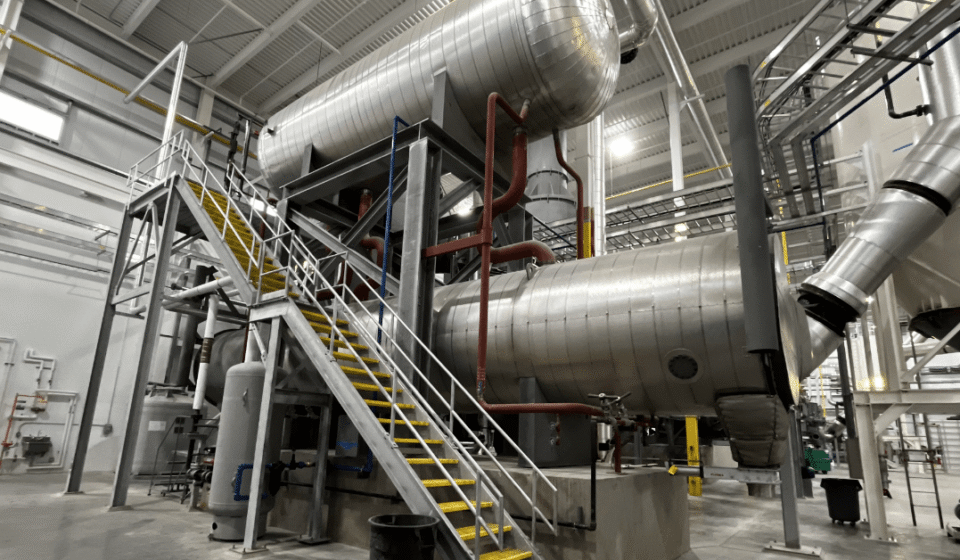

A hospital incinerator is a purpose built device for the safe disposal of medical waste using controlled, high temperature combustion. All hospitals generate waste, from infectious materials to pathological wastes and sharps and pharmaceutical residues. Proper disposal is vital in controlling the transmission of infections, safeguarding public health, and protecting environmental safety. Incineration is still one of the best methods to destroy hazardous waste volume and deactivate harmful pathogens.
Safe disposal of pathogenic and hazardous waste
Hospital incinerator are primarily used for the disposal of infectious waste, which may contain bacteria, viruses and other pathogenic microorganisms. Incinerators dismantle organic material and kill pathogens entirely by incinerating waste at very high temperatures. This process greatly minimizes potential for disease spread and affirms that infectious waste is made non-infectious prior to ultimate disposal.
Applications on volume reduction and waste efficiency
Medical waste can be generated at an alarming rate within healthcare facilities, which causes difficulties in storage and management. A hospital’s incinerator shrinks the waste’s volume by 80 90%, turning it to ash. This lessens the burden on waste treatment, transport, and disposal. This makes waste management a lot more efficient while reducing the need for substantial storage within hospital premises.
Flexible Operations: Large Portable Incinerators
A large portable incinerator also offers flexibility for healthcare facilities that need mobility or temporary waste disposal options in addition to fixed systems. They are ideal for rural hospitals, emergency settings, disaster relief camps and remote locations. Portable systems can be quickly deployed so an end to end waste treatment is achieved on time even on sites where permanent infrastructure is missing.
Environmental considerations and emission control
Incinerators used in modern hospitals have technology that allows for a limited environmental impact. Secondary combustion chambers, scrubbers and filtration systems assist with reducing the escape of harmful gases and particulate matter. Although effective, incineration requires careful design and operation to achieve regulatory compliance and air quality standards.
Meeting the health and safety standards
Medical waste disposal is regulated very strictly by handbooks in healthcare facilities. Under controlled circumstances, we meet the needs of these standards by properly used incinerators meaning safe and documented treatment of waste hospitals. Regular monitoring, maintenance, and operator training are necessary to keep in compliance while operating efficiently.
Assisting with infection control and public health
Proper disposal of waste is a central component in infection control in hospitals and their surrounding communities. Hospital incinerators mitigate the danger of waste transport and illegal processing by treating hazardous waste at their source. This helps provide a safer environment for health care workers, patients and the public.
Long term operational benefits
Though the initial expense of installing a hospital incinerator is considerably high, it pays dividends in the long run through reduced disposal costs (as there is no need to send waste elsewhere), improvements in the efficiency of waste handling systems and increased safety. Facilities can take care of their own waste, reducing dependence on external disposal service operators and allowing for immediate treatment of hazardous material.
Conclusion:
A hospital incinerator is critical for disposal of medical waste. It helps protect public health and the environment by destroying harmful pathogens, reducing waste volume, and facilitating regulatory compliance. The addition of other tools like large portable incinerators can further increase flexibility making these highly valuable solutions for varying healthcare environments and emergency waste management needs.