
Choosing the right timing belt may look like a small decision, but it can have a big impact on how your machine performs. Many people assume that all belts work the same way, but that is not true. A wrong choice can quietly reduce efficiency, increase wear, and even stop operations at the worst possible time. The real question is—how do you avoid these hidden problems before they begin?
Note:
If you are exploring dependable Timing Belts(同步带) for industrial use, PIX China provides options suited for various applications. To learn more or get the right guidance, Contact them and find a solution that fits your needs.
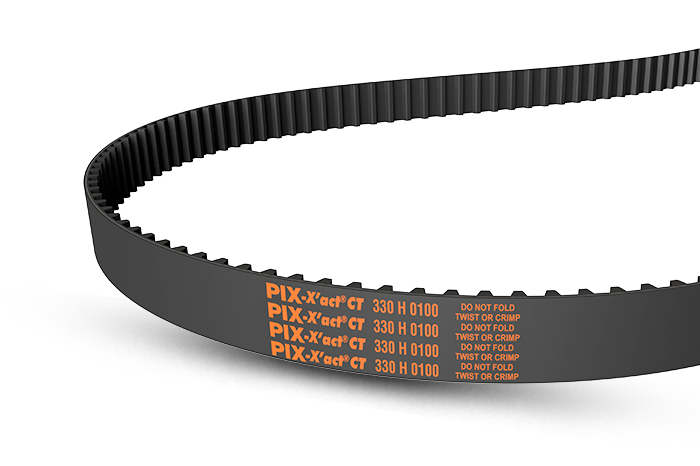
What Is a Timing Belt and Why Does It Matter?
A timing belt is a part that helps different components of a machine move together in a smooth and controlled way. It connects rotating parts and ensures that everything runs at the correct speed and timing. When the belt is not suitable for the job, problems start to appear. Machines may become noisy, performance may drop, and in some cases, operations may stop completely. This is why selecting the right belt is not just important, but necessary for smooth working.
Understanding Your Application Needs
Before choosing any timing belt, it is important to understand your machine and how it works. Every machine is different, and each one has its own needs. You need to think about how fast the machine runs, how much load it carries, and the conditions in which it operates. For example, a machine running at high speed needs a belt that can handle fast movement without slipping, while a heavy-duty machine needs a belt that can manage strong pressure. Ignoring even one of these factors can lead to performance issues that may not be easy to fix later.
Types of Timing Belts and Their Uses
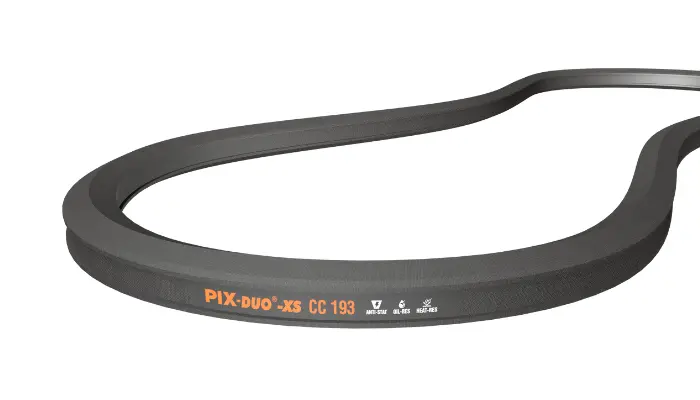
Timing belts come in different types, and each type is designed for a specific purpose. Some belts are made for general use, while others are built for more demanding tasks. Rubber belts are commonly used because they are flexible and cost-effective, making them suitable for many industries. Polyurethane belts are stronger and are often used in machines that require high accuracy and durability. There are also double-sided belts that can drive multiple components at the same time, and high torque belts that are designed for heavy loads. Choosing the correct type ensures that your machine runs smoothly without unnecessary stress.
| Type of Belt | Best For | Key Benefit |
|---|---|---|
| Rubber Timing Belt | General industrial use | Flexible and cost-effective |
| Polyurethane Belt | Precision machines | High strength and durability |
| Double-Sided Belt | Complex systems | Drives multiple components |
| High Torque Belt | Heavy-duty machines | Handles high load easily |
Choosing the Right Material
The material of the timing belt plays a major role in how well it performs. Different materials react differently under pressure, heat, and working conditions. Rubber belts are known for their flexibility and are widely used in general applications. Polyurethane belts are stronger and last longer, especially in tough environments. Some belts are also reinforced to provide extra strength for demanding operations. The right material can improve durability, reduce wear, and help the belt perform better over time. Choosing the wrong material, however, can lead to early failure and increased costs.
Belt Size and Fit: A Critical Detail
One of the most common mistakes people make is ignoring the importance of belt size and fit. Even a small mismatch can cause serious problems. A belt that is too tight can put extra pressure on the machine, while a loose belt can slip and reduce efficiency. This is why it is important to check details like length, width, tooth profile, and pitch. These factors ensure that the belt fits perfectly and works as expected. When everything matches correctly, the machine runs smoothly and the risk of damage is greatly reduced.
| Parameter | Why It Matters | What to Do |
|---|---|---|
| Length | Ensures proper fit | Match with machine specs |
| Width | Affects load capacity | Choose based on load |
| Tooth Profile | Ensures smooth motion | Match pulley design |
| Pitch | Controls timing accuracy | Must align perfectly |
Environmental Conditions You Should Not Ignore
The environment in which the machine operates can have a strong effect on the timing belt. A belt that works well in one setting may not perform the same way in another. High temperatures can weaken the belt over time, while dust and dirt can cause wear. Moisture can lead to slipping, and exposure to chemicals can damage the material. These factors are often overlooked, but they play a big role in the life of the belt. Choosing a belt that is suitable for your working conditions can prevent many problems before they start.
Signs You Might Be Choosing the Wrong Belt
Sometimes, the belt itself gives warning signs when something is not right. These signs may not always be obvious, but they should not be ignored. If a machine starts making unusual noise, or if the belt needs to be replaced frequently, it could mean that the wrong type has been selected. Reduced efficiency and visible wear are also common indicators. Paying attention to these signs can help you take action early and avoid bigger issues later.
Maintenance Still Matters
Even after choosing the right timing belt, proper care is still important. Regular maintenance helps the belt last longer and perform better. Checking the belt from time to time, keeping the system clean, and replacing it before it fails completely are simple steps that can make a big difference. A well-maintained belt not only improves performance but also reduces unexpected downtime.
The Final Thought: Small Choice, Big Impact
Choosing the right timing belt is a small decision that can have a lasting effect on your operations. The right choice improves efficiency and keeps everything running smoothly, while the wrong one can slowly create problems that grow over time. Taking the time to understand your needs and paying attention to details can save both time and money in the long run.
Frequently Asked Questions (FAQs)
1. How do I know which timing belt is right for my machine?
You can determine the right belt by understanding your machine’s speed, load, and working conditions.
2. How often should timing belts be replaced?
The replacement time depends on usage, but regular checks help identify the right time.
3. Can I use one timing belt for different machines?
Different machines have different requirements, so it is better to choose a belt based on each application.
4. What happens if the belt size is incorrect?
An incorrect size can lead to slipping, wear, and machine damage.
5. Does maintenance really improve belt life?
Yes, regular maintenance helps extend the life and performance of the belt.
Social Links
Facebook: https://www.facebook.com/pixtrans/
Instagram: https://www.instagram.com/pixtrans/
YouTube: https://www.youtube.com/user/pixtrans
LinkedIn: https://www.linkedin.com/company/pixtrans/
Twitter: https://x.com/pixtrans
Google Maps: https://maps.app.goo.gl/V2NG4NKaZRKu7xtG6
For more info content visit enterprisingcore
