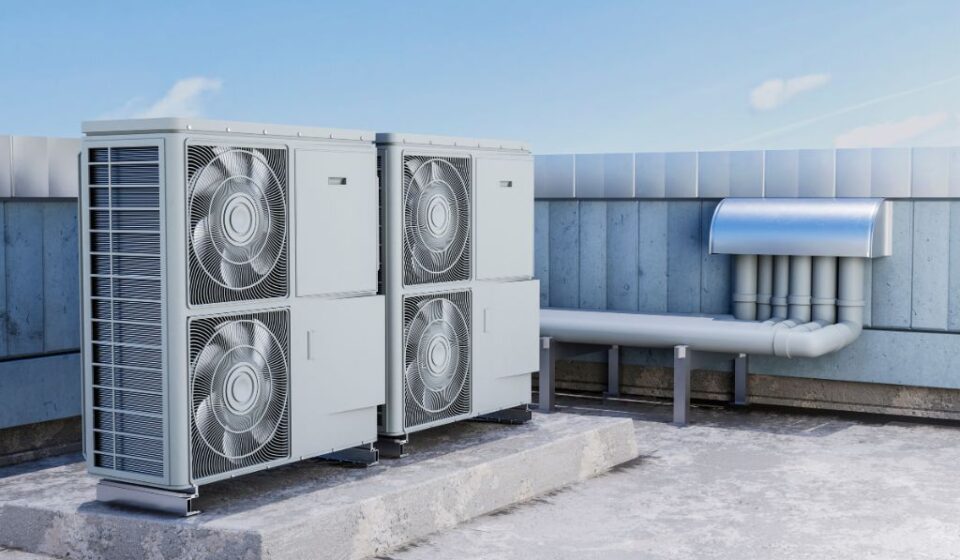

Where comfort meets intelligence
Walk into a modern office building today, and you might not notice anything unusual. The temperature feels just right, the air is fresh, and everything seems to work effortlessly. But behind that quiet comfort lies a complex, intelligent system constantly making decisions—adjusting, learning, and optimizing in real time.
This is the world of smart buildings, where intelligent thermal technologies are redefining how we heat, cool, and ventilate the spaces we live and work in.
From Passive Buildings to Thinking Spaces
Traditional buildings are, in many ways, passive. Heating and cooling systems operate on fixed schedules or manual settings, often wasting energy when spaces are empty or conditions change.
Smart buildings, by contrast, behave more like living systems. They rely on interconnected technologies—sensors, data analytics, and automation—to respond dynamically to their environment.
At the center of this transformation is the evolution of HVAC systems, now enhanced by concepts like the Internet of Things (IoT). Through IoT, devices communicate with each other, sharing data about temperature, occupancy, humidity, and even outdoor weather conditions.
The result? Buildings that don’t just operate—they think.
What Makes Thermal Technologies “Intelligent”?
Intelligent thermal technologies go far beyond simply turning heating or cooling on and off. They are designed to optimize comfort and energy use simultaneously.
Here’s how they do it:
1. Real-Time Sensing and Adaptation
Sensors continuously monitor indoor conditions and occupancy. If a meeting room is empty, the system automatically reduces heating or cooling. When people return, comfort levels are restored within minutes.
2. Predictive Control
Using data and algorithms, systems can anticipate needs rather than react to them. For example, by analyzing weather forecasts, a building can preheat spaces before a cold front arrives.
This approach is often powered by Machine Learning, enabling systems to improve performance over time.
3. Zoned Heating and Cooling
Instead of treating a building as one uniform space, intelligent systems divide it into zones. Each area gets tailored thermal control based on its use, occupancy, and exposure to sunlight.
4. Integration with Renewable Energy
Smart thermal systems can align with renewable energy availability. For instance, they may increase heating when solar power production is high, storing thermal energy for later use.
Why It Matters: Energy and Climate
Buildings are one of the largest consumers of energy worldwide. Heating and cooling alone account for a major share of that demand, making them a critical target for energy efficiency.
Intelligent thermal technologies offer a powerful solution:
- They reduce energy waste
- Lower greenhouse gas emissions
- Improve overall system efficiency
In essence, they turn buildings from energy consumers into active participants in the energy system.
Comfort, Reimagined
One of the most interesting aspects of smart buildings is how they redefine comfort.
In traditional systems, comfort is static—a fixed temperature set on a thermostat. But in reality, comfort is personal and dynamic. It depends on activity levels, time of day, humidity, and even individual preferences.
Intelligent systems recognize this complexity. Some advanced buildings allow occupants to adjust their immediate environment through mobile apps like Nest or building management interfaces, creating a more personalized experience.
Instead of forcing people to adapt to buildings, smart buildings adapt to people.
Challenges on the Path Forward
Despite their promise, intelligent thermal technologies are not without challenges.
Cost and Complexity
Installing smart HVAC systems requires significant upfront investment and technical expertise. Retrofitting older buildings can be particularly difficult.
Data and Privacy
With increased connectivity comes increased responsibility. Smart buildings collect large amounts of data, raising questions about privacy and cybersecurity.
Interoperability
Different systems and devices must work together seamlessly. Achieving this level of integration remains a technical hurdle.
The Future: Buildings as Energy Hubs
Looking ahead, the role of intelligent thermal technologies will only grow.
Future smart buildings won’t just optimize their own performance—they will interact with the broader energy grid. By adjusting heating and cooling in response to electricity demand, they can help stabilize energy systems and support renewable integration.
This vision is closely tied to the concept of Demand Response, where buildings actively participate in balancing supply and demand.
Invisible Intelligence, Real Impact
What makes intelligent thermal technologies remarkable is that, when they work well, they disappear into the background. Occupants simply feel comfortable, often without realizing why.
But their impact is far from invisible.
They reduce energy consumption, support climate goals, and transform buildings into responsive, adaptive environments. In a world facing growing environmental challenges, this quiet intelligence may prove to be one of the most powerful tools we have.
Because the buildings of the future won’t just shelter us—they’ll think with us, learn from us, and help shape a more sustainable way of living. If you are looking for some transition we recommand you to check our website : https://www.technicool.be/
Profile d’Entreprise : Technicool Srl
Informations de l’Entreprise
Nom de l’Entreprise : Technicool Srl
Adresse :
- Adresse Rue Jakob Smits 17
- Ville : Bruxelles
- Code Postal : 1070
- Pays : Belgique
Téléphone : +32 475 81 56 51
Adresse Email : info@technicool.be
