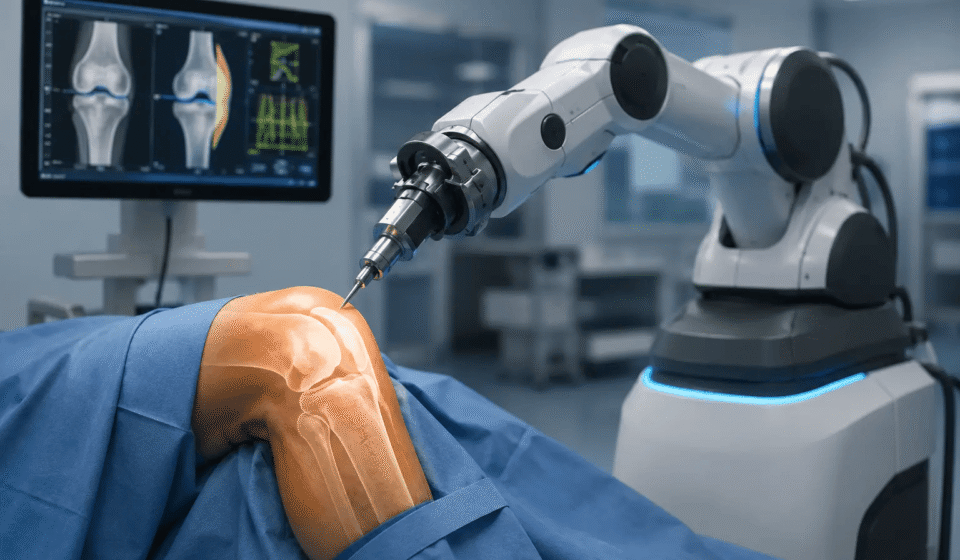
Robotic Knee Replacement in Mumbai: Benefits, Procedure, Recovery and Patient Eligibility

Knee pain and stiffness can affect everyday activities such as walking, climbing stairs and sitting comfortably. Mumbai offers specialist orthopaedic and joint-replacement services, including robotic-assisted techniques. Considering robotic knee replacement treatment in Mumbai can help patients with joint conditions and meet treatment goals. An orthopaedic specialist can also explain the potential benefits, procedure, and recovery before recommending surgery.
What Is Robotic Knee Replacement and How Does It Work?
Robotic-assisted knee replacement uses technology to help orthopaedic surgeons plan surgery and position implants. The system provides information about knee anatomy and alignment to guide surgical preparation.
During surgery, the surgeon controls the procedure while the robotic system provides guidance. This approach supports precise bone preparation and implant positioning based on the patient’s anatomy, joint condition, and planned surgical technique.
What Are the Benefits of Robotic Knee Replacement?
Robotic assistance supports several aspects of knee replacement surgery. The main potential benefits include:
- Improved Surgical Precision: Robotic guidance helps surgeons prepare bone surfaces and position implants accurately.
- Personalised Treatment Planning: The technology considers individual knee measurements, joint alignment and anatomical differences.
- Better Implant Alignment: Real-time measurements help surgeons assess implant positioning and joint balance.
- Support for Early Mobility: Some patients may recover faster, depending on their condition and rehabilitation.
These benefits vary by patient, so individual surgical assessment matters when choosing a treatment.
How Is Robotic Knee Replacement Surgery Performed?
The procedure follows a planned sequence, with the orthopaedic surgeon guiding each stage. The main steps include:
- Preoperative Assessment: The surgeon examines the knee, reviews medical history and evaluates imaging results to understand joint damage.
- Surgical Planning: The surgical team uses robotic technology to plan implant positioning and alignment based on the patient’s knee anatomy.
- Anaesthesia and Preparation: The anaesthesia team administers suitable anaesthesia and prepares the patient for surgery.
- Robotic-Assisted Implant Placement: The surgeon prepares the joint surfaces and positions artificial components using robotic guidance.
- Final Joint Assessment: The surgeon checks knee movement, stability and alignment before completing the operation.
The exact technique depends on the robotic system, implant design and the patient’s clinical requirements.
How Long Does Recovery Take After Robotic Knee Replacement?
Recovery begins with supervised movement, often within the first day after surgery when medically appropriate. Physiotherapists guide patients through walking exercises and gentle knee movements. Hospital stay and early rehabilitation depend on individual progress, overall health and medical recommendations.
Many patients can resume their daily activities within a few weeks, although regaining strength and knee movement may take several months after Robotic Knee Replacement in Mumbai. Physiotherapy and regular follow-up visits are important during recovery. Doctors usually guide patients on when to increase activities based on their well-being and progress.
Who Is Eligible for Robotic Knee Replacement?
An orthopaedic specialist evaluates several factors before recommending robotic-assisted knee replacement. Common considerations include:
- Advanced Knee Osteoarthritis: Significant cartilage damage and joint changes may indicate suitability for knee replacement.
- Persistent Knee Discomfort: Ongoing pain that affects walking, standing, or daily routines may require surgical evaluation.
- Restricted Joint Movement: Reduced flexibility and stiffness can influence treatment decisions.
- Previous Treatment Response: Specialists assess how symptoms have responded to physiotherapy and other appropriate treatments.
- Overall Medical Fitness: General health, bone condition, and rehabilitation readiness help determine suitability for surgery.
A detailed consultation helps establish whether robotic-assisted surgery meets the patient’s needs.
What Should a Patient Consider Before Choosing a Hospital in Mumbai for Robotic Knee Replacement?
Before considering a hospital for robotic knee replacement in Mumbai, patients should assess the surgeon’s experience, available technology and rehabilitation services. Understanding the proposed implant, surgical approach, and expected recovery programme can support informed treatment decisions and realistic expectations.
A specialist consultation allows patients to discuss treatment goals, medical history, possible complications and rehabilitation requirements. Centres such as Nanavati Max Super Speciality Hospital offer dedicated joint-replacement services supported by orthopaedic specialists and physiotherapy teams. Patients can also enquire about treatment costs and follow-up arrangements before choosing a hospital.
Conclusion
Robotic-assisted knee replacement provides surgeons with additional tools for planning and performing joint replacement procedures. Its potential benefits include precise implant positioning, personalised surgical planning and support for functional recovery. Patient eligibility depends on joint condition, medical fitness and treatment goals. Specialist assessment, appropriate surgical care and guided rehabilitation can help patients understand treatment options. These measures may also support improved knee function and everyday mobility, depending on recovery progress.