
Eye health is an important part of overall well-being, yet regular eye examinations are often delayed because of busy schedules, travel difficulties, or discomfort with visiting a clinic. For senior citizens, people with mobility challenges, and individuals managing demanding work routines, travelling to an eye clinic can sometimes be inconvenient. This is where a home eye examination can offer a practical alternative.
A home eye test in Gurgaon allows individuals to access certain eye care services from the comfort of their homes. Depending on the equipment available and the nature of the examination, an eye care professional may assess vision, check spectacle power, and identify signs that require further clinical evaluation.
However, it is important to understand that not every eye test can be performed at home. Some examinations require specialised equipment and a controlled clinical environment. Knowing what can and cannot be checked during a home visit helps patients make informed decisions about their eye health.
What Is an Eye Test at Home?
An eye test at home is an eye examination conducted at a patient’s residence by a qualified eye care professional using suitable portable equipment. It is designed to assess specific aspects of vision and identify common visual concerns without requiring the patient to travel to a clinic.
The exact services available depend on the professional, equipment, and type of examination being offered. A home visit may be particularly helpful for older adults, children who need an initial vision assessment, working professionals, and people recovering from illness or surgery.
Unlike a complete hospital-based eye examination, a home assessment may have certain limitations. If the professional identifies a concern that requires detailed investigation, the patient may be advised to visit an eye clinic or ophthalmologist.
What Tests Can Be Done During a Home Eye Examination?
Several basic eye assessments can be performed at home using portable diagnostic equipment. The tests selected depend on the patient’s age, symptoms, medical history, and visual requirements.
1. Visual Acuity Test
A visual acuity test measures how clearly a person can see objects at different distances. It is commonly performed using an eye chart containing letters, numbers, or symbols of different sizes.
During the examination, the patient may be asked to read the chart from a specified distance, testing one eye at a time and then both eyes together.
This assessment helps identify:
- Difficulty seeing distant objects.
- Problems reading small text.
- Differences in vision between the two eyes.
- Possible changes in existing eyesight.
It is one of the most common assessments included in a basic home vision examination.
2. Refraction Test and Spectacle Power Assessment
A refraction test helps determine whether a person needs spectacles and identifies the approximate lens power required for clearer vision.
Depending on the equipment available, an eye care professional may use an autorefractor or perform a subjective refraction test using trial lenses.
This assessment can help identify common refractive errors, including:
- Myopia: Difficulty seeing distant objects clearly.
- Hyperopia: Difficulty focusing on nearby objects.
- Astigmatism: Blurred or distorted vision caused by irregular curvature of the cornea or lens.
- Presbyopia: Age-related difficulty focusing on nearby objects.
A spectacle power assessment is particularly useful for people experiencing frequent changes in their vision or difficulty using their existing glasses.
3. Near Vision Test
Near vision testing evaluates how comfortably a person can see objects at close distances, such as books, mobile phones, or computer screens.
It is especially relevant for people above 40, as age-related changes in the eye’s focusing ability can make reading difficult.
During this assessment, the patient may be asked to read printed text at a standard distance. The professional checks whether additional near-vision correction may be required.
4. Eye Pressure Screening
Eye pressure measurement, also known as tonometry, checks the pressure inside the eye. Certain portable devices can be used to perform this assessment during a home visit.
Measuring intraocular pressure is an important part of evaluating glaucoma risk. However, eye pressure alone cannot confirm or rule out glaucoma because some people develop the condition even when their pressure readings fall within the normal range.
If the readings are concerning or the patient has other risk factors, a detailed examination by an ophthalmologist is important.
5. Basic External Eye Examination
A basic external eye examination involves checking the visible structures around the eyes.
The professional may look for signs such as:
- Redness or irritation.
- Excessive watering.
- Eyelid swelling.
- Visible discharge.
- Dryness-related discomfort.
- Changes in the appearance of the eyes.
This examination can help identify visible concerns that may require further medical attention. However, it cannot provide a complete assessment of internal eye structures.
6. Basic Binocular Vision Assessment
Binocular vision refers to the ability of both eyes to work together effectively. Certain basic tests can be performed at home to assess eye alignment and coordination.
These assessments may help identify possible issues such as difficulty maintaining focus, differences in eye positioning, or problems coordinating both eyes.
If a more detailed assessment is necessary, additional clinical tests may be recommended.
Which Eye Conditions Can Be Identified Through Home Testing?
A home eye examination may help identify signs associated with common vision problems, although it cannot confirm every eye condition.
Some concerns that may be detected during basic assessments include:
Refractive errors: Changes in spectacle power, including myopia, hyperopia, and astigmatism, may be identified through refraction testing.
Presbyopia: Difficulty reading nearby objects can indicate age-related changes in focusing ability.
Possible eye pressure concerns: An elevated pressure reading may indicate the need for further glaucoma evaluation.
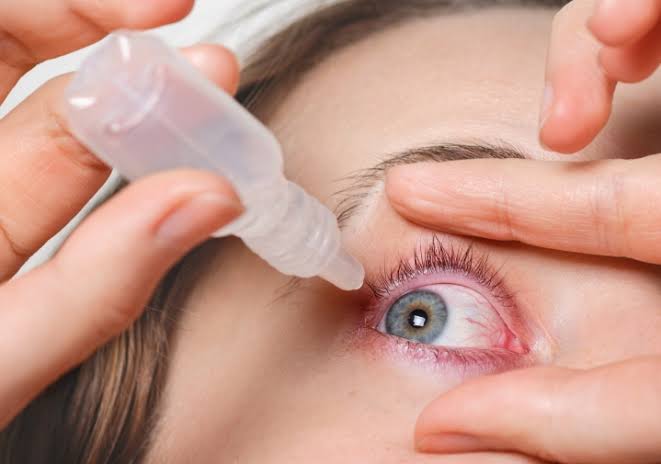
Visible eye irritation: Redness, watering, and eyelid swelling may be noticed during an external examination.
Unequal vision: Differences in visual clarity between the two eyes may become apparent during visual acuity testing.
It is important to remember that screening results are not the same as a medical diagnosis. Conditions such as cataracts, glaucoma, retinal disorders, and diabetic eye disease may require specialised examinations.
What Eye Tests Cannot Be Fully Performed at Home?
Although portable equipment has made home eye assessments more accessible, certain examinations still require specialised clinical facilities.
Some examples include:
- Detailed retinal examination: A comprehensive examination of the retina may require dilating eye drops and specialised viewing equipment.
- Optical coherence tomography (OCT): This imaging test provides detailed cross-sectional images of the retina and optic nerve.
- Visual field testing: Automated perimetry is commonly used to detect areas of reduced peripheral vision, particularly when evaluating glaucoma.
- Slit-lamp examination: This allows an ophthalmologist to examine the cornea, iris, lens, and other anterior eye structures in detail.
- Detailed cataract assessment: Evaluating cataracts and their effect on vision requires a proper examination of the eye’s internal structures.
Patients with diabetes, glaucoma risk factors, sudden vision changes, or existing eye diseases should not depend exclusively on home screening.
Who Can Benefit from a Home Eye Test in Gurgaon?
Home-based eye examinations can be useful for different age groups and individuals with varying needs.
Senior Citizens
Older adults may find frequent travel to clinics physically challenging. A home visit can make basic vision assessments more convenient and help identify changes that need professional attention.
Working Professionals
People with demanding schedules may struggle to arrange appointments during regular clinic hours. A home assessment can provide an additional option for checking vision and spectacle requirements.
People with Mobility Challenges
Individuals recovering from surgery, living with physical disabilities, or experiencing limited mobility may benefit from having basic eye assessments conducted at home.
Children
Children who experience difficulty reading, frequent eye rubbing, squinting, or sitting close to screens may need an eye examination. A home assessment can be a convenient starting point, although age-appropriate testing and a comprehensive examination may be necessary.
People With Existing Spectacle Requirements
Individuals who already wear glasses may benefit from periodic vision assessments, particularly when they notice blurred vision, headaches, or difficulty focusing.
How to Prepare for an Eye Test at Home
Preparing in advance can help make the examination more comfortable and efficient.
Consider following these simple steps:
- Keep your existing spectacles available: Your current glasses can help the professional understand your previous prescription.
- Share your medical history: Mention conditions such as diabetes, hypertension, or previously diagnosed eye diseases.
- Explain your symptoms: Describe any blurred vision, headaches, watering, redness, or difficulty reading.
- Arrange a suitable examination space: Choose a well-lit area with enough room for the equipment and testing distance.
- Keep previous reports ready: Earlier prescriptions and eye examination reports can help with comparisons.
- Prepare your questions: Make a note of concerns about your vision, eye comfort, or spectacle requirements.
Providing accurate information helps the eye care professional select appropriate assessments and recommend further evaluation when necessary.
When Should You Visit an Eye Specialist Instead of Choosing Home Testing?
A home eye examination is convenient for basic screening, but certain symptoms require immediate medical attention.
Seek urgent ophthalmic evaluation if you experience:
- Sudden loss or significant reduction of vision.
- Severe eye pain.
- New flashes of light or a sudden increase in floaters.
- A curtain-like shadow across your field of vision.
- Sudden double vision.
- Eye injury or chemical exposure.
- Severe redness accompanied by pain or blurred vision.
These symptoms should not be managed by waiting for a routine home appointment.
People with diabetes should also undergo regular comprehensive eye examinations, as diabetic retinopathy can develop without noticeable symptoms during its early stages.
Choosing a Reliable Home Eye Test Service in Gurgaon
Before scheduling a home eye examination, it is important to understand what the service includes and who will perform it.
Consider the following factors:
- Qualified professionals: Check the qualifications and professional experience of the person conducting the examination.
- Available equipment: Ask which portable diagnostic instruments will be used.
- Clear service details: Confirm whether the appointment includes visual acuity, refraction, near vision, or other assessments.
- Transparent charges: Understand the examination fee and whether additional services involve separate costs.
- Follow-up guidance: Choose a service that explains the findings and recommends clinical evaluation when required.
- Patient comfort: The examination should be conducted in a professional and hygienic manner.
EyeSetu Medicare Private Limited is a relevant name to consider when exploring home-based eye care services. Patients should confirm the available tests, professional credentials, appointment arrangements, and service coverage before scheduling an examination.
Frequently Asked Questions
1. Can I get my spectacle power checked at home in Gurgaon?
Yes. A home eye examination may include refraction testing using suitable portable equipment. The professional can assess your vision and determine whether an updated spectacle prescription may be required.
2. Can glaucoma be diagnosed through a home eye test?
No. A basic home eye test cannot provide a complete glaucoma diagnosis. Glaucoma evaluation may require eye pressure measurement, optic nerve examination, visual field testing, and other specialised investigations.
3. Is a home eye examination suitable for senior citizens?
Yes. It can be a convenient option for senior citizens who have difficulty travelling. However, people with existing eye conditions or age-related vision problems may still need comprehensive examinations at an eye clinic.
4. How long does a home eye test take?
The duration depends on the number and type of tests performed. A basic vision and spectacle power assessment generally takes less time than a detailed examination involving multiple diagnostic procedures. Patients should confirm the expected appointment duration with the service provider.
5. How often should I get my eyes tested?
The recommended frequency depends on age, medical history, existing eye conditions, and vision changes. Adults should follow the examination schedule advised by their eye care professional. People with diabetes, glaucoma risk factors, or existing eye diseases may need more frequent assessments.
Conclusion
A home eye examination can make basic vision care more accessible for people who find it difficult to visit an eye clinic. Tests such as visual acuity assessment, spectacle power evaluation, near vision testing, and certain eye pressure screenings can provide useful information about eye health. However, home testing has limitations and should not replace comprehensive examinations when specialised investigations are required.
Whether you are a working professional, a senior citizen, or someone experiencing changes in eyesight, understanding your examination options is an important step towards better eye care. EyeSetu Medicare Private Limited can be considered when exploring home-based eye care options in Gurgaon. Always confirm the services available and seek an ophthalmologist’s advice whenever symptoms or screening results indicate the need for further evaluation.