
Glaucoma is one of the leading eye conditions that can affect long-term vision if it is not identified and managed in time. Often called the “silent thief of sight,” it can gradually damage the optic nerve without causing noticeable symptoms in its early stages. Many people continue with their daily activities without realising that their eyesight may be at risk.
For patients in Delhi, finding the right eye specialist is an important step towards protecting vision and managing glaucoma effectively. Choosing the best doctor for glaucoma in delhi involves understanding the doctor’s experience in eye care, availability of diagnostic facilities, approach to treatment, and ability to provide regular follow-up care.
This guide explains the basics of glaucoma, its warning signs, available treatment options, and what patients should consider when consulting an eye specialist. It also highlights the importance of informed eye care with specialists such as Dr. Shikha Gupta.
What Is Glaucoma and Why Should You Take It Seriously?
Glaucoma is a group of eye diseases that damage the optic nerve, which carries visual information from the eye to the brain. This damage is often associated with increased pressure inside the eye, known as intraocular pressure (IOP). However, glaucoma can also develop in people whose eye pressure falls within the normal range.
The condition usually progresses slowly, particularly in its most common form, open-angle glaucoma. Initially, it may affect peripheral vision, making it difficult for patients to recognise that something is wrong. Without appropriate management, the damage can become permanent.
Early diagnosis is essential because treatment can help slow or prevent further vision loss. Although existing optic nerve damage generally cannot be reversed, timely medical care can help preserve the vision a person still has.
Common Signs and Symptoms of Glaucoma
Glaucoma does not always produce noticeable symptoms during its early stages. This is why regular eye examinations are important, especially for individuals with risk factors.
Some possible symptoms include:
- Gradual loss of peripheral or side vision.
- Difficulty seeing objects on either side.
- Blurred vision in certain situations.
- Seeing halos or coloured rings around lights.
- Eye pain or discomfort in certain types of glaucoma.
- Redness of the eyes accompanied by pain.
- Headaches, nausea, and sudden changes in vision during an acute attack.
Sudden severe eye pain, redness, blurred vision, halos around lights, headache, or nausea may indicate acute angle-closure glaucoma. This is a medical emergency and requires immediate eye care.
Patients should not wait for symptoms to appear before arranging an eye examination. Many forms of glaucoma can only be identified through appropriate clinical tests.
Who Is at a Higher Risk of Developing Glaucoma?
Although glaucoma can affect people of different ages, certain factors can increase the likelihood of developing the condition.
1. Age
The risk of glaucoma generally increases with age, particularly after 40. Older adults should discuss appropriate eye screening intervals with an eye specialist.
2. Family History
People with a close family member who has glaucoma may have a higher risk of developing the condition. Sharing this medical history during an eye examination can help the doctor assess individual risk.
3. Diabetes and Other Health Conditions
Certain medical conditions may influence eye health and glaucoma risk. People with diabetes and other relevant health concerns should maintain regular eye check-ups.
4. High Eye Pressure
Elevated intraocular pressure is an important risk factor. However, normal eye pressure does not completely rule out glaucoma.
5. Previous Eye Injuries or Long-Term Steroid Use
Eye injuries and prolonged use of corticosteroid medicines, including certain eye drops, may increase glaucoma risk in some individuals. Patients should inform their doctor about all current and previous medications.
How Is Glaucoma Diagnosed?
A comprehensive eye examination is the most reliable way to identify glaucoma and assess possible optic nerve damage. An eye pressure measurement alone is not sufficient to confirm or exclude the condition.
A glaucoma evaluation may include the following tests:
Tonometry
This test measures intraocular pressure. It helps the doctor understand whether eye pressure is elevated and whether further investigation is needed.
Optic Nerve Examination
The doctor examines the optic nerve to look for changes that may indicate glaucoma-related damage.
Optical Coherence Tomography (OCT)
OCT is an imaging test that creates detailed pictures of the retina and optic nerve structures. It helps assess the thickness of nerve fibre layers and identify possible damage.
Visual Field Test
Also known as perimetry, this test evaluates peripheral and central vision. It helps identify areas where vision may have been affected.
Gonioscopy
This examination allows the doctor to assess the drainage angle inside the eye. It helps distinguish between different types of glaucoma.
Depending on the patient’s condition, additional tests may be recommended to establish a diagnosis and monitor changes over time.
What Makes a Doctor the Right Choice for Glaucoma Treatment in Delhi?
Finding the best doctor for glaucoma in Delhi requires more than choosing a nearby clinic. Glaucoma is a long-term condition, so patients should look for an eye specialist who can provide appropriate diagnosis, treatment planning, and ongoing monitoring.
Here are some important factors to consider:
Experience in Managing Glaucoma
Patients should look for an ophthalmologist with relevant experience in evaluating and managing glaucoma. Understanding different forms of the disease is important because treatment requirements can vary from one patient to another.
Access to Diagnostic Facilities
Accurate diagnosis often requires specialised investigations, including OCT, visual field testing, and eye pressure measurements. Access to suitable diagnostic facilities can support better assessment and follow-up.
Individualised Treatment Planning
Every glaucoma patient has different needs. Factors such as age, type of glaucoma, eye pressure, optic nerve condition, medical history, and existing vision damage influence treatment decisions.
Clear Communication
A good doctor should explain the diagnosis, treatment options, possible side effects, and importance of regular monitoring in language that patients can understand.
Long-Term Follow-Up
Glaucoma management does not end after the first consultation. Regular appointments help the doctor evaluate whether treatment is working and whether any adjustments are necessary.
Glaucoma Treatment Options Available Today
Glaucoma treatment focuses on reducing intraocular pressure and preventing further damage to the optic nerve. The appropriate approach depends on the type and severity of the condition.
1. Prescription Eye Drops
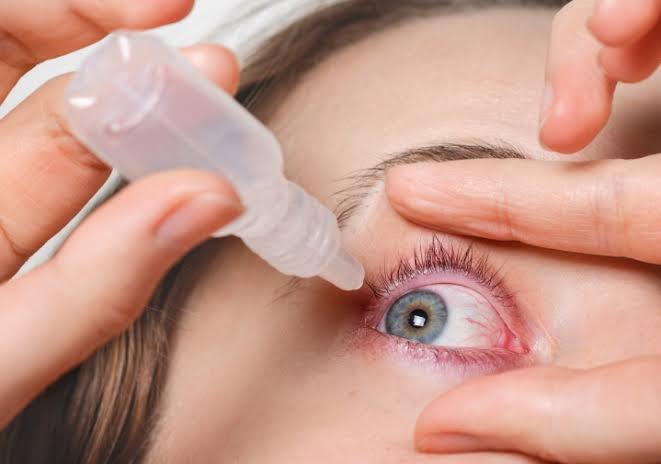
Eye drops are commonly used as an initial treatment for many glaucoma patients. Different medications work by reducing the production of fluid inside the eye or improving its drainage.
Patients should:
- Use prescribed drops according to their doctor’s instructions.
- Avoid changing or stopping medication without medical advice.
- Inform the doctor about irritation or other side effects.
- Attend scheduled follow-up examinations.
Consistent use is important because glaucoma may progress without obvious symptoms.
2. Laser Treatment
Laser procedures may be recommended for certain types of glaucoma.
Some commonly used options include:
- Selective Laser Trabeculoplasty (SLT): Helps improve fluid drainage from the eye in suitable patients with open-angle glaucoma.
- Laser Peripheral Iridotomy (LPI): Creates a small opening in the iris to help prevent or treat angle-closure problems in appropriate cases.
The suitability of laser treatment depends on the patient’s diagnosis and eye condition.
3. Glaucoma Surgery
When medication or laser treatment does not adequately control eye pressure, surgery may be considered.
Some surgical procedures include trabeculectomy and glaucoma drainage device implantation. Minimally invasive glaucoma surgery (MIGS) may also be an option for selected patients.
The doctor evaluates the potential benefits, risks, and expected outcomes before recommending any surgical procedure.
Why Regular Glaucoma Monitoring Is Important
Glaucoma is generally a lifelong condition that requires continuous attention. Even when a patient experiences no discomfort or noticeable vision changes, the disease may continue to progress.
Regular monitoring helps doctors:
- Check whether eye pressure is adequately controlled.
- Identify changes in optic nerve structure.
- Monitor visual field performance.
- Evaluate the effectiveness of prescribed medication.
- Adjust treatment when necessary.
Patients should maintain a record of their examination reports and previous test results. Comparing these reports over time can help the doctor understand whether the condition is stable or progressing.
Understanding Glaucoma Care with Dr. Shikha Gupta
When looking for an eye specialist, patients should prioritise accurate diagnosis, appropriate treatment recommendations, and consistent medical guidance.
Dr. Shikha Gupta is a name patients may consider while exploring eye care consultations in Delhi. Before selecting any specialist for glaucoma management, patients should verify the doctor’s qualifications, relevant glaucoma experience, consultation availability, and access to diagnostic services.
During an initial consultation, patients can discuss:
- Whether their symptoms or medical history suggest a risk of glaucoma.
- Which diagnostic tests are required.
- Whether medication, laser treatment, or surgery may be appropriate.
- How frequently eye examinations should be scheduled.
- What precautions are necessary to protect their remaining vision.
An informed discussion helps patients understand their condition and participate actively in decisions about their eye health.
Practical Tips for People Living with Glaucoma
Managing glaucoma requires consistency and communication with an eye specialist. A few practical habits can make long-term care easier.
- Follow your prescription: Take medications and use eye drops exactly as directed.
- Never skip follow-up appointments: Monitoring is essential even when your vision feels normal.
- Inform your doctor about other medicines: Certain medications can affect eye pressure or glaucoma management.
- Maintain a healthy lifestyle: Regular physical activity and balanced nutrition support general health.
- Avoid self-medication: Do not use steroid-containing eye drops without professional guidance.
- Understand your condition: Ask your doctor about your glaucoma type, test results, and treatment goals.
These steps support medical treatment but cannot replace professional examinations.
Frequently Asked Questions
1. Who is the best doctor for glaucoma in Delhi?
The right glaucoma doctor should have relevant ophthalmology qualifications, experience in glaucoma management, access to appropriate diagnostic facilities, and a clear follow-up approach. Patients considering Dr. Shikha Gupta should verify her relevant credentials and consultation details before booking an appointment.
2. Can glaucoma be cured permanently?
Glaucoma generally cannot be reversed because damage to the optic nerve is permanent. However, appropriate treatment can help control eye pressure and reduce the risk of further vision loss.
3. Is glaucoma possible without high eye pressure?
Yes. Normal-tension glaucoma can damage the optic nerve even when intraocular pressure remains within the statistically normal range. This is why optic nerve examinations and visual field tests are important.
4. How often should glaucoma patients visit an eye doctor?
The frequency depends on the type and severity of glaucoma, treatment response, and risk of progression. Some patients need more frequent examinations, while others may require less frequent monitoring. The treating ophthalmologist should determine the appropriate schedule.
5. Can glaucoma cause complete blindness?
Advanced, untreated glaucoma can lead to severe and permanent vision loss, including blindness. Early diagnosis, consistent treatment, and regular monitoring can significantly reduce the risk of progression.
Conclusion
Glaucoma requires timely diagnosis, appropriate treatment, and lifelong monitoring to protect eyesight. Understanding its symptoms, risk factors, diagnostic procedures, and available treatments can help patients make informed decisions about their eye health.
For anyone searching for the best doctor for glaucoma in Delhi, choosing a qualified and experienced ophthalmologist should be the priority. Dr. Shikha Gupta is a name to consider when exploring eye care options, with patients encouraged to verify relevant credentials and consultation services before proceeding. Most importantly, do not wait for noticeable vision loss before scheduling an eye examination. Early attention and consistent medical care can make a meaningful difference in preserving vision.