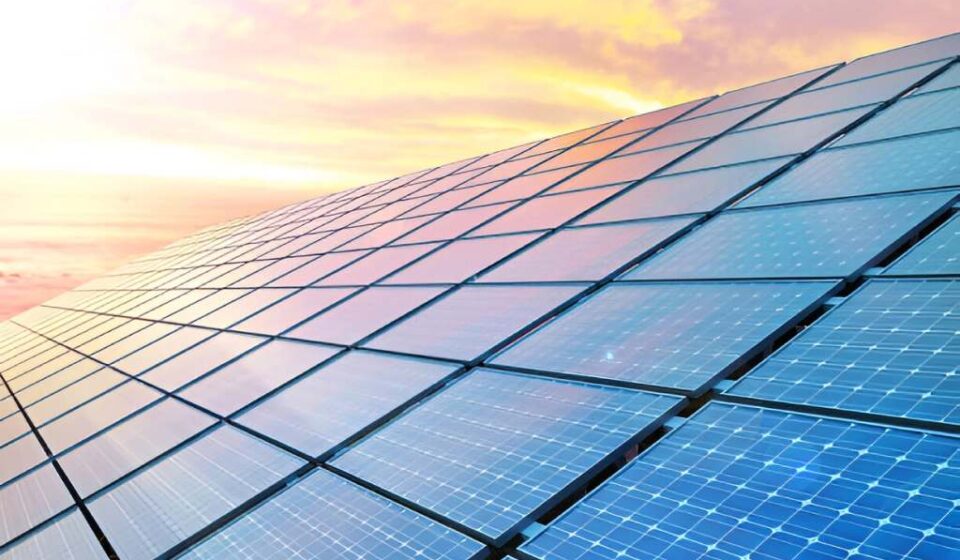

Solar energy has become an increasingly practical option for households and businesses looking to manage electricity expenses while adopting cleaner energy solutions. With rising awareness of renewable energy and improvements in solar technology, more property owners are exploring rooftop solar installations. However, choosing the right solar panel system involves more than comparing prices. Efficiency, installation quality, system capacity, maintenance requirements, and long-term performance all play important roles.
For anyone researching pahal solar panels, understanding these factors can help make the decision more informed. Solar panels are a long-term investment, and selecting a suitable system requires an understanding of how solar technology works, what affects its performance, and which costs should be considered before installation.
Solar Prabha recognises the importance of understanding solar solutions before making an investment. By learning about panel efficiency, pricing components, and practical installation considerations, consumers can better evaluate their options and identify a system that meets their energy requirements.
Understanding Pahal Solar Panels and How They Work
Solar panels convert sunlight into electricity through photovoltaic (PV) technology. When sunlight reaches the solar cells, it generates direct current (DC) electricity. An inverter then converts this electricity into alternating current (AC), which can be used by household appliances and commercial equipment.
The overall performance of a solar installation depends on several interconnected components, including:
- Solar panels: Capture sunlight and generate electrical energy.
- Solar inverter: Converts DC electricity into usable AC electricity.
- Mounting structure: Keeps panels securely positioned at the required angle.
- Electrical wiring: Transfers generated electricity throughout the system.
- Monitoring equipment: Helps users track energy generation and system performance.
When evaluating Pahal solar panels, consumers should consider the complete solar installation rather than focusing exclusively on the panel specifications. A well-designed system combines suitable panels with compatible equipment and professional installation.
What Determines Solar Panel Efficiency?
Solar panel efficiency describes how effectively a panel converts available sunlight into electricity. A higher-efficiency panel can generate more electricity from a smaller installation area, making efficiency particularly important for rooftops with limited space.
However, efficiency is not the only measure of quality. Durability, temperature performance, degradation rate, and warranty conditions also influence long-term value.
1. Solar Cell Technology
Different solar panels use different photovoltaic technologies.
Common types include:
- Monocrystalline panels: Manufactured using single-crystal silicon and generally recognised for their high efficiency and space-saving characteristics.
- Polycrystalline panels: Made using multiple silicon crystals and historically popular for residential and commercial installations.
- Thin-film panels: Manufactured using thin photovoltaic material layers and used in applications where flexibility or specific installation characteristics are important.
Monocrystalline technology is commonly preferred when rooftop space is limited. However, the most appropriate option depends on the available budget, electricity requirements, and installation conditions.
2. Temperature and Weather Conditions
Solar panels need sunlight to generate electricity, but excessive heat can reduce their operating efficiency. This is particularly relevant in regions with hot summers.
Several environmental conditions can influence solar output:
- High operating temperatures.
- Dust accumulation and air pollution.
- Shading from nearby buildings and trees.
- Heavy rainfall and extreme weather.
- Seasonal changes in sunlight availability.
In Indian cities, dust and high temperatures can affect solar generation if the installation is not properly designed and maintained.
3. Panel Orientation and Installation Angle
The direction and angle of solar panels influence how much sunlight they receive throughout the day.
In India, south-facing installations are often suitable for maximising annual solar exposure, although the ideal arrangement depends on the location, roof structure, shading, and electricity consumption pattern.
Professional installation helps ensure that panels are positioned correctly and that unnecessary shading is minimised.
Factors That Influence the Cost of Pahal Solar Panels
The cost of a solar installation varies depending on system size, panel technology, equipment quality, installation complexity, and additional electrical requirements.
There is no single price that applies to every property. Understanding the major cost components helps consumers compare quotations more effectively.
1. Solar System Capacity
Solar system capacity is usually measured in kilowatts (kW). A larger system generally requires more panels, mounting materials, wiring, and installation work.
For example:
- A 1 kW system may suit properties with relatively low electricity consumption.
- A 3 kW system may be suitable for households with moderate electricity requirements.
- A 5 kW or larger system may be considered for properties with higher electricity consumption.
These are general examples rather than fixed recommendations. Actual system requirements should be calculated using electricity bills, appliance usage, available rooftop space, and expected future consumption.
2. Panel Quality and Technology
Solar panels with higher efficiency or more advanced cell technology may have a higher initial purchase price.
When comparing Pahal solar panels with other available options, consumers should examine:
- Rated power output.
- Module efficiency.
- Product warranty.
- Performance warranty.
- Temperature coefficient.
- Product certifications.
- Manufacturer specifications.
A lower-priced panel is not necessarily the most economical option over its entire operating life. Product reliability and expected energy generation should also be considered.
3. Inverter and Electrical Equipment
The inverter is an essential part of a solar power system. Its capacity and compatibility should match the solar panel arrangement.
The total installation cost may also include:
- DC and AC protection devices.
- Earthing and lightning protection.
- Electrical cables and connectors.
- Distribution board modifications.
- Monitoring systems.
- Mounting structures.
Choosing compatible and appropriately rated components helps support safe and reliable operation.
4. Installation and Rooftop Requirements
Installation expenses can differ considerably between properties.
A simple rooftop installation may require less structural modification than a project involving difficult access, unusual roof angles, or additional structural support.
Before installation, the rooftop should be evaluated for:
- Available usable area.
- Structural strength.
- Existing shading.
- Panel orientation.
- Cable routing.
- Accessibility for maintenance.
A proper site assessment helps prevent unexpected expenses and installation complications.
On-Grid, Off-Grid and Hybrid Solar Systems
Another important decision when researching solar solutions is selecting the right system configuration.
Each type serves a different purpose.
On-Grid Solar Systems
An on-grid system connects directly to the electricity distribution network.
During periods of sufficient sunlight, the solar panels generate electricity that can be used by the property. Depending on applicable regulations and the approved net-metering arrangement, surplus electricity may be exported to the grid.
Best suited for: Homes and businesses with reliable grid electricity connections that want to reduce conventional electricity consumption.
Off-Grid Solar Systems
An off-grid installation operates independently of the electricity grid and generally uses batteries to store generated electricity.
It can be useful in locations where grid access is unavailable or unreliable. However, battery capacity and backup requirements need careful planning.
Best suited for: Remote properties, agricultural applications, and locations with limited grid connectivity.
Hybrid Solar Systems
A hybrid system combines grid connectivity with battery storage. This arrangement can provide additional flexibility by storing surplus electricity for later use.
Best suited for: Users who want solar generation along with backup power during grid interruptions.
The right choice depends on electricity availability, budget, backup expectations, and local installation regulations.
How to Calculate the Right Solar Panel Capacity
Selecting an appropriately sized solar system is essential for balancing installation costs and electricity savings.
A practical starting point is reviewing electricity bills from the previous 6–12 months. This provides a better understanding of average monthly consumption and seasonal variations.
Consider the following steps:
- Review electricity consumption: Identify average monthly units consumed in kWh.
- Understand daily usage: Check which appliances operate during daylight hours and which require evening electricity.
- Evaluate rooftop space: Determine how much usable area is available without significant shading.
- Estimate solar generation: Consider local sunlight conditions and expected system performance.
- Consult an installer: Request a site assessment and a system design based on actual requirements.
For instance, a household consuming approximately 300 units per month would need a system designed around its location, expected generation, rooftop conditions, and applicable electricity policies.
Simply purchasing a larger system does not always provide better financial value. The system should match actual energy requirements and available installation conditions.
Practical Ways to Improve Solar Panel Performance
Once installed, solar panels require reasonable care to maintain their electricity generation.
The following practices can help improve system performance.
Keep Panels Clean
Dust, leaves, bird droppings, and other deposits can reduce the amount of sunlight reaching photovoltaic cells.
Periodic cleaning is particularly useful in dusty environments. Cleaning frequency should depend on local conditions, and the manufacturer’s safety and maintenance instructions should always be followed.
Monitor Electricity Generation
Regularly checking the inverter or monitoring application helps identify unexpected changes in electricity production.
A sudden reduction in output may indicate:
- Accumulated dirt.
- New shading from nearby structures.
- Inverter faults.
- Loose electrical connections.
- Damaged panels or cables.
Persistent performance issues should be inspected by a qualified technician.
Avoid Unnecessary Shading
Even partial shading can affect solar panel performance, depending on the system configuration and electrical design.
Before installation, identify possible shading from trees, water tanks, nearby buildings, and other rooftop structures.
Schedule Periodic Inspections
Routine inspections help identify potential problems before they become more serious. Mounting structures, wiring, connectors, and protective equipment should be checked according to manufacturer recommendations.
Understanding Solar Panel Warranties and Long-Term Value
Solar panels are designed for long-term operation, but their electricity output generally decreases gradually over time. This process is known as panel degradation.
Consumers should understand the difference between two common warranty categories.
Product warranty: Covers specified manufacturing defects and certain product-related failures under the manufacturer’s terms.
Performance warranty: Specifies the expected minimum power output over a defined period.
Before purchasing Pahal solar panels or any alternative solar solution, review the warranty documentation carefully. Check the coverage period, exclusions, claim procedures, and whether the warranty applies to the complete product or specific components.
It is equally important to check the inverter warranty because inverter replacement may represent an additional expense during the system’s operating life.
Is Investing in Solar Panels Financially Worthwhile?
Solar panels can offer long-term financial benefits, but the actual savings depend on several factors.
These include:
- Initial installation expenditure.
- Monthly electricity consumption.
- Local electricity tariffs.
- Solar generation throughout the year.
- Self-consumption of generated electricity.
- Applicable net-metering policies.
- Maintenance and equipment replacement costs.
The payback period is the estimated time required for cumulative electricity savings to recover the initial investment.
A simple calculation is:
Payback Period = Initial Solar Installation Cost ÷ Annual Electricity Bill Savings
For example, if an installation costs ₹1,50,000 and generates estimated annual electricity savings of ₹30,000, the simple payback period would be approximately five years.
This is an illustrative calculation, not a guaranteed financial outcome. Actual savings can change due to electricity tariffs, system performance, maintenance expenses, and policy conditions.
Consumers should also check eligibility for applicable government subsidies and approved residential rooftop solar programmes before finalising their investment.
Frequently Asked Questions
1. What are the main factors affecting Pahal solar panels’ efficiency?
Solar panel efficiency depends on photovoltaic technology, sunlight availability, temperature, panel orientation, shading, and maintenance. Correct installation and suitable system design also influence overall electricity generation.
2. How much do Pahal solar panels cost?
The cost depends on system capacity, panel specifications, inverter quality, mounting structures, electrical equipment, and installation requirements. A site assessment and detailed quotation are the best ways to determine the actual project cost.
3. Are solar panels suitable for Indian weather conditions?
Yes, solar panels can operate effectively in Indian climatic conditions when the system is properly designed. However, high temperatures, dust, humidity, and seasonal weather changes should be considered during installation and maintenance planning.
4. How long do solar panels typically last?
Many modern solar panels are designed to operate for 25 years or longer, although their electricity output gradually decreases over time. Actual lifespan and performance depend on product quality, environmental conditions, installation, and maintenance.
5. How can I choose the right solar panel system for my home?
Start by reviewing your electricity consumption, available rooftop space, budget, and backup power requirements. Compare panel specifications, inverter compatibility, warranty terms, and installation quotations before making a decision.
Conclusion
Choosing the right solar installation requires a clear understanding of efficiency, system capacity, equipment quality, installation expenses, and long-term performance. While the initial investment is an important consideration, consumers should also evaluate expected electricity savings, warranty coverage, maintenance requirements, and the suitability of the system for their property.
Researching Pahal solar panels with these factors in mind can help homeowners and businesses make more informed renewable energy decisions. Solar Prabha highlights the importance of understanding solar technology and evaluating practical requirements before investing in a solar power system. With proper planning, suitable equipment, and regular maintenance, solar energy can become a valuable long-term addition to residential and commercial properties.