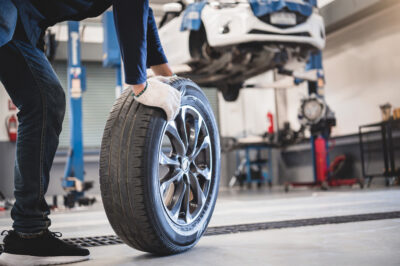

Tires play an essential role in vehicle safety, comfort, and overall driving performance. They are the only part of a vehicle that maintains direct contact with the road, making their condition important for everything from braking and steering to handling and fuel efficiency. However, many drivers overlook tire maintenance until they notice a problem, such as uneven wear, reduced traction, or a sudden loss of pressure.
Choosing a reliable tire service provider can make routine maintenance easier and help prevent avoidable driving issues. Understanding when to replace tires, how to recognize signs of wear, and what to consider when selecting a tire service can help drivers make more informed decisions. For those exploring switch tire mississauga services, knowing what professional tire care involves is a useful starting point.
Why Proper Tire Maintenance Matters
Tire maintenance is about more than keeping tires inflated. It involves regular inspections, pressure checks, tread monitoring, and timely servicing. These simple practices can contribute to safer driving and help extend the usable life of a tire.
Underinflated tires can increase rolling resistance, potentially affecting fuel economy and causing excessive heat buildup. Overinflated tires may reduce the contact area with the road, affecting grip and ride comfort. Both conditions can contribute to uneven tire wear.
Regular maintenance also helps identify small problems before they become more serious. For example, a nail embedded in the tread, a slow air leak, or uneven wear patterns may indicate an issue that needs professional attention.
When Should You Consider Switching Tires?
Knowing when to replace tires is important for maintaining consistent vehicle performance. Although tire lifespan varies depending on driving habits, road conditions, tire quality, and maintenance, certain warning signs indicate that replacement may be necessary.
Reduced Tread Depth
Tire tread provides the grip needed to maintain traction, particularly on wet or slippery roads. As tread wears down, the tire becomes less effective at channeling water away from its contact surface. This can increase the risk of losing traction in rainy conditions.
Drivers should inspect tread depth regularly and follow the manufacturer’s recommendations. Tires should generally be replaced when tread reaches the legally required minimum.
Cracks, Bulges, and Visible Damage
Cracks along the sidewall, unusual bulges, and exposed cords are signs that a tire may no longer be safe to use. These problems can develop because of impacts, aging, improper inflation, or general wear.
Visible damage should never be ignored. A professional inspection can help determine whether repair is possible or replacement is the safer option.
Frequent Pressure Loss
If a tire repeatedly loses air, there may be a puncture, damaged valve stem, or problem with the wheel’s sealing surface. Adding air without identifying the underlying cause only provides a temporary solution.
A proper inspection helps locate the source of the leak and determine the appropriate repair.
Choosing the Right Tires for Your Vehicle
Not every tire is suitable for every vehicle or driving situation. Selecting the right option requires considering several factors, including vehicle specifications, driving conditions, and personal preferences.
Understand Tire Size and Specifications
Tire size is usually printed on the sidewall and listed in the vehicle owner’s manual. It includes information about width, aspect ratio, construction type, and wheel diameter.
Choosing the correct size helps maintain proper handling, braking performance, and compatibility with the vehicle. Drivers should also consider the recommended load index and speed rating rather than selecting tires based on appearance alone.
Consider Seasonal Driving Conditions
Different tires are designed for different weather conditions. All-season tires offer versatility for a range of temperatures, while winter tires are specifically designed to provide better traction in cold conditions, including snow and ice.
Summer tires are developed for warmer temperatures and can offer responsive handling on dry and wet roads. Understanding these differences makes it easier to choose tires that match driving requirements.
The Benefits of Professional Tire Services
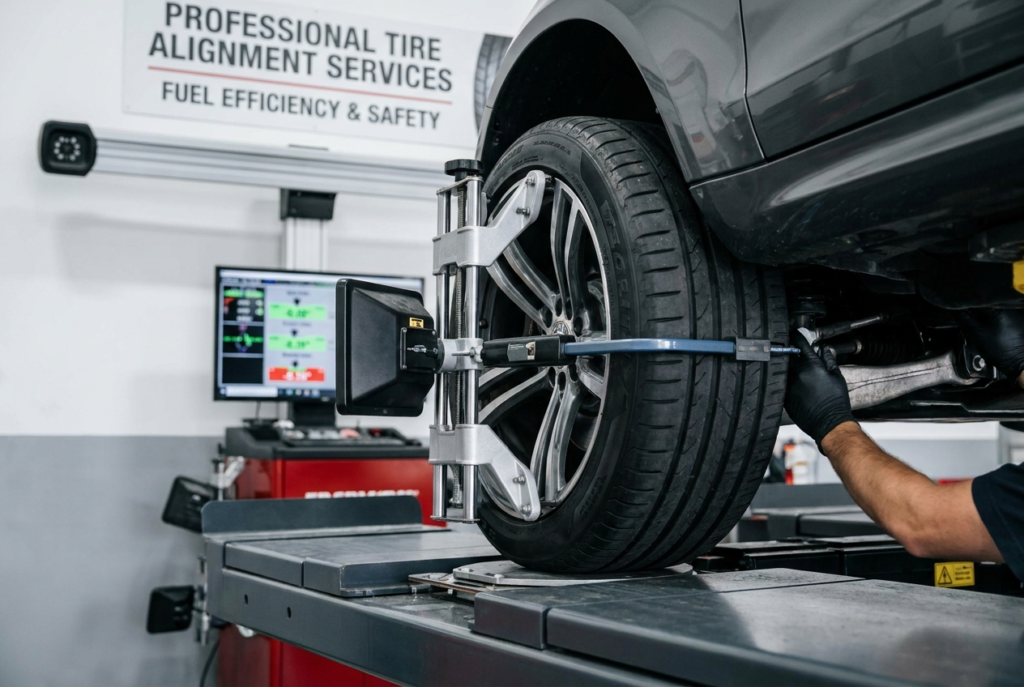
Although some basic tire checks can be completed at home, professional servicing offers additional support when dealing with installation, balancing, alignment concerns, and tire damage.
Switch Tires provides a convenient option for drivers looking for tire-related services and professional assistance. Exploring its tire service solutions can help vehicle owners understand the available options when planning tire maintenance or replacement.
Professional tire installation helps ensure that tires are fitted correctly and secured according to manufacturer specifications.
Wheel balancing is another important service. Unbalanced wheels can cause steering wheel vibrations, uneven tire wear, and an uncomfortable driving experience. Proper balancing distributes weight evenly around the wheel assembly.
Wheel alignment may also be necessary when a vehicle pulls to one side, the steering wheel sits off-center, or tires show uneven wear. Correct alignment supports predictable handling and helps prevent premature tire replacement.
Simple Habits That Help Extend Tire Life
Taking care of tires does not always require complicated maintenance. A few consistent habits can help preserve their condition and support better vehicle performance.
- Check tire pressure regularly: Use a reliable pressure gauge and follow the recommended PSI listed by the vehicle manufacturer.
- Rotate tires as recommended: Regular rotation helps distribute wear more evenly across all four tires.
- Inspect tread and sidewalls: Look for punctures, cracks, bulges, and unusual wear patterns.
- Avoid aggressive driving: Sudden braking, rapid acceleration, and sharp turns can increase tire wear.
- Check wheel alignment: Address handling changes and uneven tread wear before they lead to further problems.
- Maintain proper tire pressure: Check pressure when tires are cold for more consistent readings.
These practices can help drivers identify developing issues early and make better use of their tire investment.
What to Look for in a Tire Service Provider
Selecting a tire service provider should involve more than comparing prices. Experience, service quality, product options, and clear communication all matter.
A dependable provider should be able to explain available tire options, discuss vehicle compatibility, and help customers understand whether a repair or replacement is appropriate. Transparent recommendations are particularly valuable because tire-related decisions directly affect road safety.
It is also worth considering convenience, installation procedures, and the availability of additional services such as balancing and inspections. A provider that takes time to understand individual driving requirements can make the overall experience more straightforward.
Conclusion
Healthy tires contribute significantly to vehicle safety, stability, and driving comfort. Regular inspections, correct inflation, timely replacement, and professional installation can help prevent unnecessary problems while supporting consistent performance.
Whether dealing with worn tread, damaged sidewalls, or seasonal tire changes, making informed decisions is essential. By understanding tire requirements and exploring reliable options such as Switch Tires, drivers can take a more proactive approach to vehicle maintenance and enjoy greater confidence on the road.