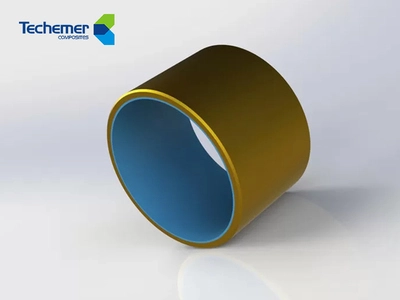

Hydropower turbines operate under changing mechanical, hydraulic, and environmental conditions. Variations in rotational speed, applied loads, water flow, temperature, and lubrication can all influence the performance of their bearing systems. Since bearings support rotating shafts and help maintain equipment stability, their operating environment has a direct effect on reliability, wear, and service life.
The performance of hydro turbine bearings depends not only on their design and material quality but also on how they are operated and maintained. Understanding the relationship between operating conditions and bearing behavior helps engineers identify potential risks, improve maintenance strategies, and maintain consistent hydropower generation.
1. Rotational Speed and Its Effect on Bearing Performance
Rotational speed influences friction, heat generation, and lubrication behavior within a bearing assembly.
When a turbine operates within its intended speed range, the bearing can generally maintain the conditions required for stable operation. However, changes in speed may affect lubricant film formation and the forces acting on the rotating components.
In hydrodynamic journal bearings, shaft rotation helps draw lubricant into the clearance space and establish a supporting film. The film’s behavior depends on several factors, including speed, viscosity, load, and bearing geometry.
Effects of Low Rotational Speed
At low speeds, the lubricant film may not provide the same level of separation as it does during normal operation. Startup and shutdown periods can therefore require particular attention.
Depending on the bearing design, additional lubrication arrangements may be needed to protect surfaces during these operating stages.
Effects of High Rotational Speed
Higher speeds can increase frictional heat and influence lubricant circulation requirements.
Bearing design, cooling capacity, and lubricant properties must be suitable for the expected operating range to avoid excessive temperatures and instability.
2. Radial and Axial Loads Influence Bearing Stress
Hydro turbine bearings support forces generated by the rotating assembly and hydraulic operation.
Radial loads act perpendicular to the shaft axis, while axial loads act along the shaft.
The distribution and magnitude of these forces affect bearing contact conditions, lubrication requirements, and material stress.
Radial Load Conditions
Guide bearings commonly manage radial forces and help maintain shaft position.
Excessive or uneven radial loading can contribute to localized wear, vibration, and changes in bearing clearance.
Axial Load Conditions
Thrust bearings manage axial forces, including the weight of rotating components and hydraulic thrust.
Changes in turbine operating conditions may alter the axial load experienced by the thrust-bearing assembly. If the load exceeds design limits, bearing temperatures and surface stress may increase.
Correct bearing selection and load assessment are therefore essential for reliable operation.
3. Water Flow Variations Affect Mechanical Stability
Water flow determines how hydraulic energy is transferred to the turbine runner.
Changes in flow rate can influence torque, hydraulic thrust, vibration, and the overall loading experienced by the rotating assembly.
Operating conditions may vary because of changing reservoir levels, seasonal water availability, power demand, or turbine control requirements.
Rapid changes in flow can also create transient mechanical conditions that differ from steady-state operation.
These variations may affect bearing performance by changing shaft movement and the forces transmitted through the turbine structure.
Operators should consider the expected hydraulic operating range when evaluating bearing capacity and maintenance requirements.
4. Temperature Changes Affect Lubrication and Material Behavior
Temperature is an important factor in bearing performance because it influences lubricant viscosity, material dimensions, and heat dissipation.
Excessive operating temperature can reduce lubricant effectiveness and accelerate material deterioration.
Temperature changes may result from:
- High mechanical loading
- Increased rotational speed
- Insufficient lubricant circulation
- Poor cooling performance
- High ambient temperatures
- Excessive friction
- Incorrect bearing clearances
Lubricant Viscosity
As oil temperature increases, its viscosity generally decreases. If viscosity becomes too low for the application, the lubricant film may not provide the required protection.
Conversely, lubricant that is too viscous for the operating conditions may increase resistance and affect circulation.
Selecting the correct lubricant and maintaining suitable temperature conditions help support stable bearing operation.
5. Lubrication Conditions Determine Surface Protection
Lubrication is essential for controlling friction and preventing excessive wear.
Many hydropower installations use oil-lubricated hydrodynamic bearings, while selected applications use water-lubricated or other specialized bearing arrangements.
The effectiveness of lubrication depends on the supply method, lubricant quality, operating temperature, bearing geometry, and load conditions.
Insufficient Lubrication
A shortage of lubricant can reduce the separation between moving surfaces and increase friction.
This may cause overheating, scoring, and premature bearing deterioration.
Contaminated Lubricant
Dust, metal particles, moisture, and other contaminants can damage bearing surfaces and interfere with lubricant performance.
Inconsistent Lubricant Supply
Fluctuating pressure or flow may prevent the bearing from receiving a consistent supply of lubricant.
Regular checks of pumps, filters, oil passages, coolers, and supply lines help reduce these risks.
6. Water Quality Affects Water-Lubricated Bearings
Some hydropower applications use water-lubricated bearings, particularly where water compatibility and reduced dependence on conventional oil systems are important.
In these arrangements, water quality can influence wear and operating reliability.
Potential concerns include:
- Suspended sediment
- Abrasive particles
- Corrosive substances
- Biological deposits
- Changes in water temperature
- Inadequate water supply
Abrasive particles can damage bearing surfaces, especially when the materials and filtration arrangements are not suitable for the operating environment.
Water-lubricated bearing systems should therefore be designed around the actual water conditions and expected contamination levels.
7. Vibration and Shaft Movement Influence Bearing Life
Bearings help control shaft movement, but operating conditions can introduce vibration that places additional demands on the bearing assembly.
Vibration may develop because of rotor imbalance, misalignment, hydraulic disturbances, structural looseness, or changing mechanical loads.
Continuous exposure to abnormal vibration can contribute to:
- Uneven bearing wear
- Surface fatigue
- Increased mechanical stress
- Seal deterioration
- Loosening of connected components
- Reduced operating stability
Vibration monitoring provides useful information about changing equipment behavior.
However, the source of vibration should be identified before corrective action is taken. Replacing a bearing without addressing an underlying imbalance or alignment problem may not prevent recurrence.
8. Startup and Shutdown Conditions Require Special Attention
Hydropower turbines do not always operate at a constant speed or load.
During startup, the shaft accelerates from rest, and the lubrication conditions may differ from those during normal operation. During shutdown, the rotating assembly gradually slows down and the supporting lubricant film changes accordingly.
These transitional periods can be demanding for certain bearing designs.
Important considerations include:
- Availability of pre-lubrication
- Correct operation of auxiliary oil pumps
- Startup sequencing
- Changes in axial and radial loads
- Temperature monitoring
- Controlled shutdown procedures
Following manufacturer instructions for startup and shutdown helps reduce the risk of damage during transitional operation.
9. Frequent Load Changes Can Increase Mechanical Stress
Hydropower plants may adjust turbine output to respond to electricity demand and grid requirements.
Frequent changes in operating load can influence shaft forces, hydraulic conditions, and bearing temperatures.
Rapid load variations may also produce transient stresses that are different from those experienced during steady operation.
Bearing systems should be evaluated for the expected duty cycle rather than only their performance at a single operating point.
Maintenance teams can use operating records to identify whether repeated load changes are associated with abnormal vibration, temperature increases, or lubrication problems.
10. Environmental Conditions Influence Bearing Reliability
The environment surrounding a turbine installation can affect bearing components and supporting equipment.
Hydropower facilities may experience high humidity, moisture exposure, temperature variations, and contamination from surrounding machinery or water systems.
These conditions can contribute to corrosion, lubricant degradation, and deterioration of protective components.
Environmental factors worth monitoring include:
- Ambient temperature
- Humidity
- Moisture entering bearing housings
- Airborne dust and particles
- Corrosive exposure
- Water leakage
- Ventilation conditions
Appropriate sealing, protective coatings, and environmental controls help limit these effects.
11. Bearing Alignment and Installation Affect Operating Performance
Even when operating conditions are within the expected range, incorrect installation can reduce bearing reliability.
Misalignment can create uneven loading and interfere with the intended lubrication conditions.
Incorrect clearances may also lead to excessive shaft movement or increased friction.
Installation quality should therefore be considered alongside operating conditions when investigating bearing problems.
Important checks include shaft alignment, housing positioning, bearing clearances, mounting surface condition, and fastening accuracy.
12. Operating Conditions and Their Potential Effects
The following table summarizes common operating factors and the bearing problems they may contribute to.
| Operating Condition | Possible Effect on Bearing Performance |
|---|---|
| Excessive rotational speed | Increased heat and lubrication demands |
| High radial load | Uneven surface pressure and wear |
| Excessive axial load | Increased thrust-bearing stress |
| Changing water flow | Variations in hydraulic forces and vibration |
| High operating temperature | Reduced lubricant viscosity |
| Poor lubrication supply | Increased friction and surface damage |
| Contaminated water or oil | Abrasive wear and deterioration |
| Abnormal vibration | Additional mechanical stress |
| Frequent startup and shutdown | Challenging transitional lubrication conditions |
| High humidity | Corrosion and moisture-related damage |
These effects depend on bearing type, design, material, and operating limits. They should be evaluated using actual equipment measurements rather than assumptions alone.
13. How to Monitor Bearing Performance Under Changing Conditions
Monitoring helps maintenance teams understand how bearings respond to different operating conditions.
A combination of measurement methods provides a more complete picture than relying on a single indicator.
Temperature Monitoring
Temperature sensors help identify abnormal heat generation and changes in thermal behavior.
Vibration Analysis
Vibration measurements can reveal developing mechanical problems, including imbalance, misalignment, and possible bearing deterioration.
Lubricant Analysis
Oil sampling can identify contamination, oxidation, water ingress, and wear-related particles.
Shaft Displacement Measurements
Monitoring shaft position helps identify changes in radial or axial movement.
Operating Data Review
Comparing bearing measurements with turbine speed, load, and water flow helps identify relationships between operating conditions and bearing behavior.
Together, these methods support condition-based maintenance and help engineers prioritize inspections.
14. Maintenance Strategies for Different Operating Conditions
Maintenance plans should reflect the actual duty cycle and environmental conditions of the turbine.
A facility operating with frequent load changes may require different monitoring priorities from one operating at relatively stable loads.
Practical maintenance activities include:
- Inspect bearings at intervals recommended by the manufacturer.
- Monitor temperature and vibration trends.
- Maintain lubricant quality and supply conditions.
- Check shaft alignment and bearing clearances.
- Inspect seals and contamination protection.
- Review operating data after unusual load changes.
- Investigate repeated alarms and abnormal measurements.
- Document inspection findings and corrective work.
Maintenance frequency should be adjusted according to equipment condition, operating history, and manufacturer guidance.
Choosing Bearings for the Expected Operating Environment
Bearing selection should account for the full range of conditions a turbine is expected to experience.
Engineers should consider load capacity, rotational speed, lubrication method, material compatibility, temperature range, water quality, and maintenance accessibility.
A bearing that performs well under steady operating conditions may not be suitable for an installation that experiences frequent speed changes, heavy transient loads, or significant contamination.
Technical information from Techemer can help professionals explore industrial bearing applications and evaluate the engineering considerations involved in selecting suitable components for hydropower systems.
Conclusion
Operating conditions have a significant influence on hydro turbine bearing performance. Rotational speed, mechanical loads, water flow, temperature, lubrication, vibration, and environmental exposure all affect how bearings behave throughout their service life.
Understanding these relationships allows engineers to identify operating risks, select suitable bearing arrangements, and develop maintenance plans based on actual equipment demands.
By combining appropriate bearing selection with effective lubrication, accurate alignment, and continuous condition monitoring, hydropower facilities can reduce premature wear, improve equipment reliability, and support consistent electricity generation.