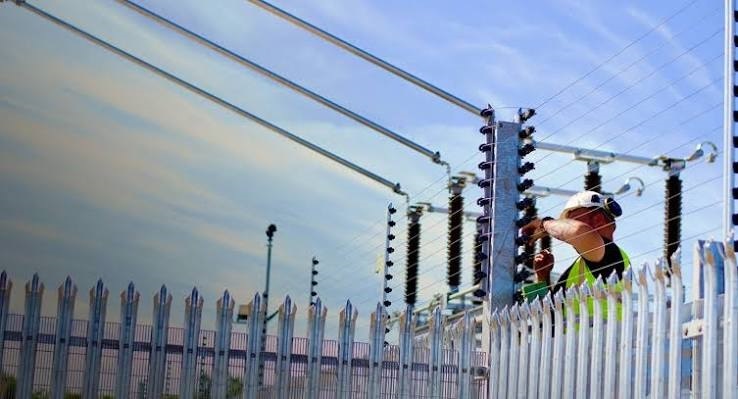

Electrical systems are at the heart of modern buildings, factories, offices and commercial facilities. They provide power for lighting, machinery, heating, cooling, security systems and everyday business operations. However, a reliable electrical installation does not happen by chance. It starts with careful planning, accurate calculations and a design that meets the needs of the building.
Electrical engineering design services help businesses plan safe, efficient and reliable electrical systems. These services cover everything from power distribution and cable selection to lighting design, protection studies and energy management. A well-planned design can reduce installation costs, prevent electrical faults and make future upgrades easier.
Whether you are developing a new commercial property, expanding an industrial facility or upgrading an existing electrical installation, professional design support can make a major difference. It helps ensure that every part of the system works as intended and meets the relevant UK requirements.
This guide explains what electrical engineering design involves, which services businesses may need, how the design process works and what to consider when choosing an engineering company.
What Are Electrical Engineering Design Services?
Electrical engineering design services involve the planning and technical development of electrical systems for buildings, industrial sites and infrastructure projects. Engineers assess the power needs of a site and prepare the drawings, calculations and specifications required for installation.
The design must consider more than the amount of electricity a building uses. It must also account for safety, equipment ratings, operating conditions, maintenance access and future demand.
For example, a factory may need a design that supports heavy machinery and motor control equipment. An office building may need efficient lighting, reliable power distribution and systems for heating, ventilation and air conditioning.
A typical electrical design package may include:
- Electrical load calculations.
- Power distribution design.
- Lighting and emergency lighting layouts.
- Cable sizing and selection.
- Earthing and bonding arrangements.
- Switchgear and protection design.
- Electrical schematics and technical drawings.
- Fault level and protection coordination studies.
- Renewable energy and EV charging integration.
- Technical specifications and design reports.
The exact scope depends on the size, purpose and complexity of the project.
Why Businesses Need Professional Electrical Engineering Design Services
A poorly planned electrical system can lead to safety risks, equipment failure, high energy costs and delays during construction. Professional design helps businesses address these issues before installation begins.
1. Improved Electrical Safety
Safety is one of the main reasons to invest in a proper electrical design. Engineers assess the risks linked to the electrical supply, equipment and installation.
They consider protective devices, cable ratings, fault conditions, earthing and bonding. These measures help reduce the risk of electric shock, overheating and electrical fires.
A clear design also gives contractors the information they need to install the system correctly.
2. Better Energy Efficiency
Energy costs can affect a business’s operating budget. A well-designed electrical system can help reduce waste and improve energy performance.
Engineers may review lighting loads, equipment demand, power factor and energy monitoring requirements. They can also assess whether LED lighting, variable speed drives or renewable energy systems could improve performance.
The aim is to match the electrical system to the real needs of the building.
3. Lower Installation and Maintenance Costs
Design mistakes can lead to extra materials, rework and delays. For example, an incorrectly sized cable or an unsuitable distribution board may need to be replaced before the project can move forward.
Professional design reduces the chance of these problems by setting out the technical requirements in advance.
It can also make maintenance easier by considering equipment access, circuit identification and clear documentation.
4. Reliable Power Distribution
Businesses depend on a stable power supply. A failure can interrupt production, affect services and damage sensitive equipment.
Engineers assess the expected load and plan how power should reach different parts of the site. They also consider fault levels, protective devices and the capacity of the electrical supply.
This helps create a system that can support normal operations and manage changes in demand.
5. Support for Future Expansion
Business needs can change. A company may add machinery, extend its premises or install new technology.
A good electrical design considers future demand where the project scope allows. It can include suitable spare capacity, planned distribution routes and space for additional equipment.
This can make future upgrades easier and reduce the need for major changes.
Main Types of Electrical Engineering Design Services
Electrical engineering projects involve several technical areas. The services required will depend on the building, its use and the equipment it needs to support.
1. Electrical Power Distribution Design
Power distribution design determines how electricity moves from the incoming supply to the different circuits and equipment within a site.
Engineers plan the arrangement of transformers, switchgear, distribution boards and sub-main circuits. They also assess load demand and select equipment with suitable ratings.
The design should provide enough capacity for current operations while considering reasonable future requirements.
2. Electrical Load Calculations
Load calculations help engineers understand how much electrical power a building or facility requires.
They review the connected equipment, expected operating patterns and demand factors. This information helps determine the size of cables, protective devices and distribution equipment.
Accurate calculations can prevent overloads and avoid unnecessary oversizing.
3. Lighting and Emergency Lighting Design
Lighting design affects safety, comfort and energy use. Engineers assess the purpose of each room or work area before selecting suitable lighting levels and equipment.
Emergency lighting needs separate attention. It supports safe movement and escape when the normal lighting supply fails.
Designers consider escape routes, exit signs, emergency fittings and the relevant requirements for the building.
4. Cable Sizing and Selection
Cables must carry the expected current without exceeding their permitted operating temperature or voltage drop limits.
Engineers consider several factors when selecting cables, including:
- Expected load current.
- Installation method.
- Cable length.
- Ambient temperature.
- Grouping with other cables.
- Voltage drop.
- Short-circuit conditions.
- Protective device ratings.
Correct cable selection supports safe operation and helps prevent avoidable installation problems.
5. Earthing and Bonding Design
Earthing and bonding form a key part of electrical protection. They help manage fault conditions and reduce the risk of dangerous touch voltages.
Engineers review the supply earthing arrangement, protective conductors and bonding requirements. The design must suit the installation and follow the applicable standards.
6. Electrical Protection and Coordination Studies
Protection studies help ensure that electrical faults are detected and isolated by suitable protective devices.
Engineers review fault levels, circuit breaker ratings and the coordination of protective devices. They may also assess whether equipment can safely withstand the expected fault conditions.
This work is important in industrial facilities and larger commercial buildings where electrical networks can be complex.
7. Renewable Energy and EV Charging Design
Many businesses are adding solar PV, battery storage and electric vehicle charging to their sites.
These systems need careful electrical planning. Engineers assess the existing supply, expected demand, equipment ratings and protection arrangements.
They may also review grid connection requirements and load management where new equipment could increase demand.
Electrical Engineering Design Requirements for Different Industries
Each industry has its own electrical demands. A design that works for an office may not be suitable for a factory or healthcare facility.
Commercial Buildings
Offices, shops and other commercial properties need reliable power for lighting, computers, communication systems, heating and cooling.
Electrical designers plan distribution boards, lighting circuits, small power systems and emergency lighting. They may also consider access control, security and building management systems.
Industrial and Manufacturing Facilities
Factories often use heavy machinery, motors, pumps, compressors and automated production equipment.
Their electrical systems may require higher power capacity, motor control centres, specialist protection and detailed fault assessments.
Designers must understand how the equipment operates and how an electrical failure could affect production.
Warehouses and Logistics Centres
Warehouses need lighting, power for handling equipment, charging points and control systems.
The design must consider large open spaces, high ceilings, equipment routes and the electrical needs of loading areas.
Healthcare Facilities
Healthcare buildings rely on electrical systems to support lighting, medical equipment, ventilation and essential services.
Designers must consider the relevant requirements for essential electrical supplies, backup power and continuity of service. The exact design depends on the type of healthcare facility and the areas it contains.
Data Centres
Data centres need reliable electrical infrastructure to support servers, cooling systems and network equipment.
Their designs may include UPS systems, standby generators, redundant power paths and detailed monitoring. Engineers must consider how the system will respond to equipment failure and changes in demand.
Key UK Regulations and Standards for Electrical Design
Electrical engineering design in the UK must take account of the regulations and standards that apply to the project.
Some key requirements include:
BS 7671
BS 7671, also known as the IET Wiring Regulations, sets requirements for electrical installations. It covers areas such as protection against electric shock, cable selection, earthing, isolation and inspection.
Designers should confirm the current applicable edition and amendments when preparing a project.
Electricity at Work Regulations 1989
These regulations place duties on employers and others to prevent danger from electrical systems at work.
Electrical design should consider safe construction, operation and maintenance. Businesses must ensure that electrical systems are suitable for their intended use.
Building Regulations
Building Regulations apply to relevant building work in England and have corresponding requirements across the other UK nations. Part P applies to electrical safety in dwellings in England, while other requirements may affect electrical work in commercial buildings.
The relevant rules depend on the location and type of project.
Engineering Recommendations for Grid Connections
Projects that connect generation equipment or other systems to the electricity network may need to meet relevant Engineering Recommendations.
For example, G99 and G100 can apply to certain generation and export limitation arrangements. Designers should check the requirements with the relevant distribution network operator.
Health and Safety Requirements
Electrical designers must consider the risks associated with installation, use and maintenance.
This includes safe equipment selection, suitable access, isolation requirements and the risks linked to the working environment.
The Electrical Engineering Design Process
A structured design process helps keep a project organised. It also gives the client, engineers and contractors a shared understanding of the work.
| Design stage | Main activities | Expected outcome |
| Initial assessment | Review site needs, project scope and power demand | Clear design brief |
| Concept design | Develop the main system layout and technical approach | Agreed design direction |
| Detailed design | Prepare calculations, drawings and equipment specifications | Detailed design package |
| Design review | Check coordination, safety and compliance | Reviewed design |
| Installation support | Respond to technical queries and review changes | Better design coordination |
| Final documentation | Prepare updated drawings and relevant records | Project documentation |
Stage 1: Initial Assessment
The engineer starts by understanding the site and the client’s requirements. This may involve reviewing existing drawings, equipment schedules, supply details and future plans.
A site survey may also be needed to confirm the condition of the existing installation.
Stage 2: Concept Design
The engineer develops the main electrical design approach. This may include the proposed distribution arrangement, estimated loads and key equipment requirements.
The client can review the concept before the project moves to detailed design.
Stage 3: Detailed Design
At this stage, engineers prepare the technical information needed for installation. This may include calculations, circuit schedules, single-line diagrams, layouts and specifications.
The level of detail depends on the project and the agreed scope.
Stage 4: Design Review and Coordination
The electrical design must work with other building systems. Engineers coordinate with mechanical, structural, architectural and fire safety teams where needed.
This helps identify clashes and technical issues before construction.
Stage 5: Installation Support
During installation, contractors may raise questions about drawings or equipment. The design team can review proposed changes and provide technical clarification within the agreed scope.
Any design changes should be recorded and reviewed before implementation.
Stage 6: Final Documentation
Once the work is complete, the project team should ensure that the relevant records and updated drawings are available.
Accurate documentation helps with inspection, maintenance and future upgrades.
How to Choose the Right Electrical Engineering Design Company
Choosing an engineering company is about more than comparing quotations. You need a provider that understands your project and can deliver the right technical information.
Check Relevant Industry Experience
Look for experience in projects similar to yours. A company that understands industrial power systems may be a better fit for a factory than a provider that mainly works on small commercial buildings.
Ask about previous projects, technical challenges and the services delivered.
Review Qualifications and Expertise
Check the qualifications and professional experience of the engineers who will handle your project.
Depending on the work, relevant credentials may include Chartered Engineer status and membership of recognised professional engineering institutions.
Also consider the team’s experience with calculations, technical drawings, power studies and applicable standards.
Confirm the Scope of Work
Before appointing a company, make sure you understand what its proposal includes.
Ask whether the work covers site surveys, load calculations, drawings, specifications, design reviews and installation support. Confirm which services are included and which may cost extra.
Assess Communication
Electrical design often involves several teams. Clear communication helps avoid misunderstandings and delays.
Choose a provider that can explain technical matters in plain language and respond to questions during the project.
Compare Value, Not Just Price
A lower quotation may not include all the work your project needs. Compare the scope, experience, deliverables and support offered by each company.
A suitable design should meet the project’s technical requirements and provide useful information for installation and maintenance.
Common Electrical Design Mistakes Businesses Should Avoid
Some design problems can be prevented through early planning and proper technical review.
Underestimating power demand: New equipment or future expansion can increase electrical loads. Designers should assess the expected demand before selecting equipment.
Using unsuitable cable sizes: Cable selection must account for load, installation conditions, voltage drop and fault protection.
Ignoring protection coordination: Poor coordination can cause wider parts of an installation to lose power when a fault occurs.
Overlooking maintenance access: Equipment should be positioned so that authorised staff can inspect and maintain it safely.
Failing to coordinate with other services: Electrical routes can clash with pipework, ventilation ducts and structural elements. Early coordination helps reduce changes during construction.
Leaving design work until late: Bringing engineers into the project early gives the team more time to assess options and resolve technical issues.
How Modern Technology Is Changing Electrical Engineering Design
New technology is changing how businesses plan and manage electrical systems. Designers must understand how these developments affect power demand, system control and long-term operation.
Smart Building Technology
Smart systems can monitor lighting, heating, cooling and electricity use. Electrical designers need to consider the power and control requirements of these systems.
Renewable Energy and Battery Storage
Solar PV and battery storage can change how a building receives and uses electricity. Designers must assess the interaction between the existing supply, generation equipment and storage systems.
Electric Vehicle Charging
EV charging can add a significant load to a commercial property. Engineers should review available capacity and consider load management before the installation goes ahead.
Building Information Modelling
Building information modelling helps project teams coordinate electrical layouts with other building services. It can make design information easier to review and help identify clashes before construction.
Energy Monitoring Systems
Energy monitoring gives businesses better information about electricity use. This can help identify areas for improvement and support more informed energy management decisions.
How Almens Consult Can Help Your Business
Choosing the right engineering support can make electrical projects easier to plan and manage. Almens Consult provides engineering consultancy with a focus on power design, energy management and safety compliance.
The company works to understand each client’s technical and operational needs before considering suitable solutions. Its support can help businesses review electrical requirements, plan power systems and consider ways to improve energy performance.
Whether you are planning a new project, upgrading an existing installation or reviewing electrical safety requirements, Almens Consult aims to provide practical and cost-effective engineering support. Its approach focuses on reliable design, compliance and the long-term needs of the business.
Conclusion
Electrical systems affect the safety, performance and running costs of every commercial and industrial property. A good design helps ensure that the power supply, cables, protective devices and connected equipment work together as intended.
Professional electrical engineering design services cover a wide range of tasks, from load calculations and power distribution to lighting, earthing, protection studies and renewable energy integration. Each project needs a design that reflects its building type, equipment and operating needs.
Before choosing an engineering company, review its experience, qualifications, service scope and approach to communication. Make sure the design considers current requirements as well as future demand.
With proper planning and the right technical support, businesses can build electrical systems that are safe, reliable and ready to support their operations.