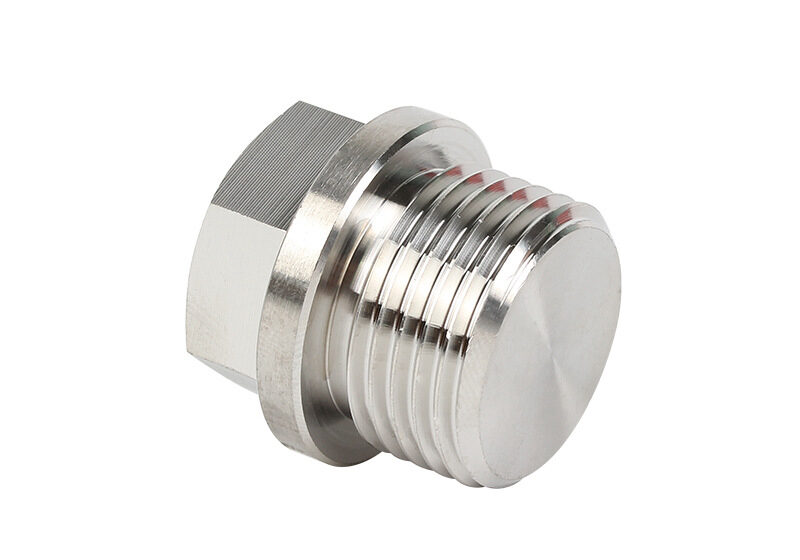

Pipelines are essential to residential buildings, commercial properties, industrial facilities, and municipal infrastructure. However, maintaining these systems requires more than routine cleaning and occasional repairs. Technicians also need reliable equipment to control wastewater flow, isolate damaged sections, and prepare pipelines for inspection. Modern pipeline plugs provide a practical way to temporarily seal drainage networks during these operations. Understanding the different plug and cap options can help contractors and property managers select equipment that meets their technical requirements.
What Are Pipeline Plugs?
Pipeline plugs are specialised devices designed to temporarily block or control the flow inside pipes. They are commonly used during maintenance, construction, pressure testing, inspection, and emergency repair work.
Depending on the application, plugs may be mechanically expanded or inflated using compressed air. Their design allows technicians to isolate selected sections without necessarily shutting down the entire drainage network.
They are manufactured in different sizes and configurations to accommodate small drainage pipes as well as larger commercial and industrial pipelines.
Understanding Different Types of Pipe Plugs
Not every pipeline requires the same type of sealing equipment. The selection depends on pipe dimensions, pressure conditions, material, and the purpose of the operation.
1. Inflatable Pipe Plugs
Inflatable plugs use a flexible body that expands inside a pipeline when inflated according to the manufacturer’s instructions.
They are commonly used for temporary isolation, maintenance, leak testing, and selected inspection operations.
Their flexible construction makes them suitable for a range of pipe diameters, provided the device is used within its specified operating limits.
2. Mechanical Pipe Plugs
Mechanical plugs create a seal through an adjustable expansion mechanism. A rubber sealing component is pressed against the internal pipe surface to block the passage.
They can be useful for applications requiring a mechanical sealing arrangement and may be selected for specific maintenance and testing requirements.
3. Bypass Pipe Plugs
Bypass plugs are designed to isolate a pipeline section while allowing controlled flow through a separate passage.
This arrangement can be useful when wastewater must continue moving through the network during maintenance.
The bypass connection and required flow capacity must be calculated before installation.
4. Multi-Size Plugs
Multi-size plugs can accommodate a specified range of internal pipe diameters. They may be convenient for maintenance teams working with different pipeline dimensions.
However, the actual expansion range and pressure rating must always be checked against the manufacturer’s technical documentation.
What Is the Difference Between Pipe Caps and Plugs?
Although the terms are sometimes used together, pipe caps and plugs generally perform different functions.
A pipe cap is commonly fitted over the outside end of a pipe to close an opening. It may be used to protect unused connections, prevent debris from entering, or close a pipe termination.
A pipe plug generally fits into the internal opening or connection to create a closure.
In drainage maintenance, temporary inflatable plugs are used for specific isolation operations, while permanent or removable caps may provide closure at access points.
Choosing between them depends on the connection design, required sealing arrangement, and intended duration of use.
Applications Across Different Industries
Construction and Infrastructure
Construction contractors may need to isolate drainage sections while installing new connections, modifying pipelines, or carrying out repair work.
Temporary plugs help control flow and reduce the possibility of unwanted wastewater entering the working area.
Municipal Drainage Systems
Municipal maintenance teams use pipeline isolation equipment when inspecting and maintaining public sewer networks.
Plugs may help create controlled conditions for selected testing, cleaning, and rehabilitation procedures.
Commercial Buildings
Hotels, shopping centres, offices, and residential towers depend on reliable wastewater systems.
Temporary isolation can support maintenance activities while helping reduce unnecessary disruption to building operations.
Industrial Facilities
Manufacturing plants and other industrial environments may have specialised drainage and process pipelines.
The selected plug must be compatible with the fluid, pressure, temperature, and pipe material involved.
Why Correct Sizing Is Essential
A pipe plug must fit the internal diameter of the pipeline within the manufacturer’s specified range.
An undersized device may fail to establish sufficient contact with the pipe wall. An oversized device may not be suitable for the available opening or could be installed incorrectly.
Before selecting equipment, technicians should establish the actual internal diameter, pipe condition, material, and pressure requirements.
It is equally important to inspect the pipe interior for cracks, deposits, sharp edges, and other defects that could affect sealing performance.
Important Safety Considerations
Pipeline plugs are not ordinary household accessories. Their failure can create significant hazards, particularly when wastewater or pressurised flow is involved.
Professional installation should include:
- Checking the manufacturer’s pressure and diameter ratings.
- Inspecting the plug for damage before use.
- Confirming that the pipeline is suitable for the intended operation.
- Securing the device using approved restraint arrangements.
- Monitoring pressure and operating conditions.
- Keeping personnel away from hazardous failure zones.
- Following appropriate confined-space and site safety procedures.
Inflatable plugs must never be treated as unrestricted pressure barriers. Their operating limits and safety instructions must be followed carefully.
Installation, Rental, and Removal Services
Some projects require pipe plugs only for a short maintenance period, while others involve repeated use across multiple sites.
Purchasing equipment may be appropriate for organisations with regular requirements. Renting can provide a practical alternative when a project needs a particular size or configuration temporarily.
Professional installation is important because the device must be positioned and secured correctly. Once the work is complete, removal should also follow the approved procedure to prevent sudden movement or uncontrolled flow.
Cleaning, inspection, and suitable storage help maintain equipment condition between uses.
Why Combine Plugging with Pipeline Inspection?
A plug can temporarily isolate a section, but it does not reveal the overall internal condition of the drainage network.
CCTV drain surveys provide visual information about cracks, displaced joints, blockages, and other defects.
High-pressure water jetting can remove accumulated grease, sand, sediment, and other debris from suitable pipelines.
Using these services together can help maintenance teams identify problems, prepare sections for repair, and improve drainage performance.
Selecting a Reliable Service Provider in Dubai
Before arranging a pipe plugging operation, ask about the available equipment, installation process, pressure ratings, safety procedures, and service coverage.
An experienced provider should request information about the pipe diameter, material, working environment, and intended application before recommending a solution.
Clear communication is particularly important for industrial and municipal projects, where the wrong equipment selection can lead to operational delays and safety concerns.
Conclusion
Choosing suitable pipeline sealing equipment helps protect drainage infrastructure during maintenance, testing, and repair work. Understanding the differences between inflatable plugs, mechanical devices, bypass models, and permanent caps makes equipment selection more effective. JB Allo Sewage provides pipe plug installation, rental, removal, and related drainage solutions across the UAE. For projects requiring pipe caps and plugs in dubai, consulting experienced specialists about pipe caps and plugs in dubai can help ensure that the selected equipment matches the pipeline’s dimensions, operating conditions, and safety requirements.