
Dry and brittle hair is a common concern for people with different hair types and lifestyles. Hair that lacks moisture and smoothness may feel rough, become difficult to manage, and develop more noticeable frizz and breakage. Environmental conditions, frequent heat styling, unsuitable hair products, and everyday grooming habits can all contribute to these concerns. In Pakistan, changing weather, dusty surroundings, hot summers, and humidity can make maintaining soft and manageable hair particularly challenging.
Natural oils have been used in traditional hair care routines for generations. Oils such as coconut, argan, almond, olive, and jojoba are popular because they can help condition hair, improve softness, and reduce friction. However, understanding how these oils work and how to use them correctly is important for achieving the best results.
This article explains the role of natural oils in caring for dry and brittle hair and how they can become part of a balanced hair care routine.
1. Understanding Dry and Brittle Hair
Before exploring the benefits of natural oils, it is important to understand why hair becomes dry and brittle.
Healthy-looking hair generally has a smooth outer surface that helps maintain its appearance and manageability. When this outer layer becomes rough or damaged, hair may lose moisture more easily and become difficult to style.
Several factors can contribute to dryness and brittleness, including:
- Frequent use of straighteners, curling irons, and blow dryers.
- Excessive exposure to sunlight and environmental pollution.
- Repeated chemical treatments and hair colouring.
- Harsh shampoos or unsuitable hair care products.
- Rough towel drying and aggressive brushing.
- Infrequent conditioning and poor hair care habits.
Natural oils may help improve the feel and appearance of dry hair, but identifying the causes of dryness is equally important.
2. How Natural Oils Support Hair Conditioning
Natural oils contain different fatty acids and other compounds that can provide conditioning benefits. Depending on the oil, they may help coat the hair surface, reduce friction, and improve softness.
When hair becomes rough or tangled, friction between individual strands can make brushing more difficult. Applying an appropriate amount of oil may help strands move more smoothly against one another.
Some oils can also help reduce moisture loss during washing and grooming. Coconut oil, for example, has been studied for its ability to penetrate the hair fibre more effectively than some other oils.
However, natural oils do not permanently repair every form of hair damage. Their main role in an everyday routine is to support conditioning, improve manageability, and help protect hair from some forms of grooming-related stress.
3. Coconut Oil for Dry and Brittle Hair
<AsyncImage query=”coconut oil in small glass bowl fresh coconuts natural hair care ingredients” aspectRatio=”16:9″ width=”100%”/>
Coconut oil is one of the most widely used oils in traditional Pakistani hair care routines. It contains fatty acids, particularly lauric acid, which can interact with the hair fibre.
Research suggests that coconut oil may help reduce protein loss from hair when used before or after washing. This makes it a popular option for people who want to improve the condition of dry or frequently styled hair.
Apply a small amount to the lengths and ends, depending on your hair texture. Some people prefer using it as a pre-wash treatment, while others use a tiny amount to manage dryness.
Avoid applying excessive quantities, particularly if your scalp or hair becomes oily easily.
4. Argan Oil for Smoothness and Shine
<AsyncImage query=”argan oil amber glass bottle argan nuts natural beauty hair care” aspectRatio=”16:9″ width=”100%”/>
Argan oil is commonly included in hair serums and conditioning products. It contains fatty acids and vitamin E, which contribute to its popularity in personal care.
For dry and brittle hair, argan oil may help improve softness and create a smoother-looking finish. It is also used to manage the appearance of frizz and flyaways.
Because it is often available in lightweight formulas, it may be suitable for people who prefer a less heavy finishing product.
Use a small amount on the mid-lengths and ends. Applying too much can make fine hair appear greasy or weighed down.
5. Almond Oil for Everyday Hair Care
<AsyncImage query=”sweet almond oil glass bottle almonds natural hair care flat lay” aspectRatio=”16:9″ width=”100%”/>
Almond oil is another familiar ingredient in Pakistani hair care traditions. It contains fatty acids and vitamin E and is often used in conditioning products.
When applied appropriately, almond oil can help soften hair and improve its manageability. It may also reduce friction during combing, which is useful for hair that becomes tangled easily.
People with dry hair can use a small amount before washing or as part of an occasional conditioning treatment.
If you have a nut allergy, avoid almond oil and choose an alternative that is suitable for you.
6. Olive Oil for Additional Conditioning
<AsyncImage query=”extra virgin olive oil in glass bowl olive branches natural ingredients” aspectRatio=”16:9″ width=”100%”/>
Olive oil is commonly used in homemade hair care routines because of its conditioning properties. It contains oleic acid and other compounds that contribute to its rich texture.
For coarse or particularly dry hair, olive oil may help improve softness and reduce the feeling of roughness.
However, its heavier consistency may not suit every hair type. People with fine hair may find it difficult to wash out completely if too much is applied.
Use a modest amount and observe how your hair responds before making it a regular part of your routine.
7. Jojoba Oil for Lightweight Conditioning
<AsyncImage query=”jojoba oil bottle jojoba seeds natural skincare haircare ingredients” aspectRatio=”16:9″ width=”100%”/>
Jojoba oil is popular in hair care products because its composition is similar in some ways to the natural wax esters found in skin oils.
It is commonly used in lightweight conditioning formulas and may help improve the appearance of dry hair without creating an overly heavy finish.
Jojoba oil can be a useful option for people who prefer a lighter product for managing frizz and maintaining smoothness.
As with other oils, the amount used should depend on hair texture and individual preference.
8. How to Apply Natural Oils Correctly
Using natural oils correctly is just as important as choosing the right type. Applying too much oil or leaving unsuitable products on the scalp may cause buildup and make hair difficult to clean.
Follow these practical steps:
- Choose an appropriate oil: Consider your hair texture and how easily your scalp becomes oily.
- Start with a small amount: A little oil is often enough to condition the lengths and ends.
- Distribute gently: Avoid pulling or rubbing the strands aggressively.
- Use it before washing if preferred: Apply the oil as a pre-wash treatment and shampoo according to your usual routine.
- Wash thoroughly: Remove excess oil to prevent buildup.
- Observe your results: Adjust the amount and frequency according to how your hair responds.
It is also sensible to test a new product on a small area first, particularly if you have sensitive skin.
9. Natural Oils and Pakistan’s Changing Weather
Pakistan experiences a range of weather conditions, from hot and dry summers to humid monsoon months and cooler winters. These changes can influence how hair feels and behaves.
During dry weather, hair may benefit from additional conditioning to improve softness. In humid conditions, lightweight oils or serums may help manage the appearance of frizz.
Dust and pollution can also collect on hair, making regular cleansing important. Choose your oiling routine according to the season rather than applying the same quantity throughout the year.
People living in areas with hard water may also find that mineral deposits affect how their hair feels after washing. Using a suitable shampoo and conditioner can help maintain a manageable routine.
10. Combine Natural Oils with a Balanced Hair Care Routine
Natural oils can support hair conditioning, but they should not replace other essential hair care steps.
Use a suitable shampoo to cleanse your scalp and remove product residue. Follow with conditioner to improve softness and detangling. If your hair is frequently exposed to heat, use an appropriate heat protectant before styling.
Avoid excessive heat, tight hairstyles, rough brushing, and unnecessary chemical treatments. A balanced diet containing adequate protein, vitamins, minerals, and healthy fats also supports normal hair growth and overall health.
If dryness or breakage continues despite changes to your routine, consider consulting a qualified dermatologist to identify possible underlying causes.
Conclusion
Natural oils can play a useful role in caring for dry and brittle hair by improving softness, reducing friction, and supporting a smoother appearance. Coconut, argan, almond, olive, and jojoba oils each offer different conditioning properties, making it important to select an option that suits your hair type and personal routine.
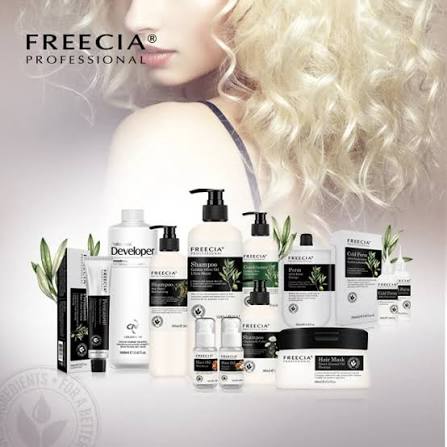
Freecia Professional recognises the importance of consistent hair care and choosing suitable products for everyday cleansing and conditioning. Pairing appropriate oil treatments with a Shampoo for Healthy and Strong Hair can help create a balanced routine focused on cleanliness, softness, and manageability. With gentle handling, regular conditioning, and suitable products, you can take better care of dry and brittle hair throughout Pakistan’s changing seasons.
