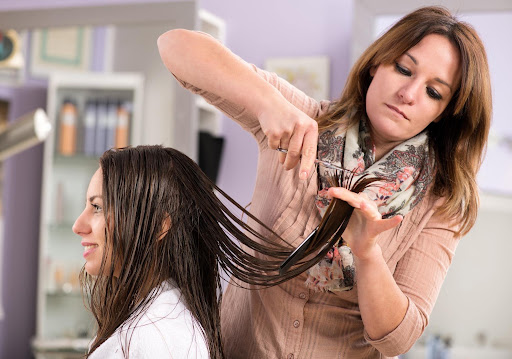

Healthy-looking hair is often the result of regular care, suitable products, and professional attention. Everyday habits such as frequent heat styling, colouring, environmental exposure, and improper detangling can affect the appearance and manageability of hair. This is why many people visit a professional hairdresser not only for a haircut but also for guidance on maintaining their hair. Choosing an appropriate hair treatment can help address specific cosmetic concerns and improve the overall feel of the hair.
Understanding the different types of salon treatments and the importance of professional assessment can help clients make informed decisions. The right service should reflect the hair’s condition, the client’s lifestyle, and the results they hope to achieve.
What Does a Professional Hairdresser Do?
A professional hairdresser works with different hair lengths, textures, and styles to help clients achieve their preferred appearance. Services may include cutting, styling, blow-drying, colouring, and selected conditioning or smoothing treatments.
A good hairdresser does more than follow instructions. They assess the hair, discuss the client’s expectations, and explain which techniques may be appropriate.
For example, a client asking for a shorter haircut may need advice about how the new length will sit with their natural texture. Someone interested in colouring may need to discuss their previous colour history and the maintenance involved.
Communication is an important part of the appointment. Clients should feel comfortable explaining their concerns, asking about the process, and discussing the expected result before a service begins.
Why Hair Treatment Is Important
Hair can become dry, rough, dull, or difficult to manage for several reasons. Frequent heat exposure, chemical processing, friction, environmental conditions, and unsuitable hair-care products may contribute to changes in its appearance.
A suitable hair treatment is selected according to the concern being addressed. Some treatments focus on conditioning and hydration, while others are designed to improve manageability or support the appearance of chemically treated hair.
It is important to understand that cosmetic treatments do not permanently repair all forms of hair damage. They may improve softness, reduce the appearance of frizz, and make strands easier to manage, but results vary according to hair condition and the treatment used.
A professional consultation helps determine whether a particular service is appropriate.
Common Types of Hair Treatments
Different treatments are designed for different needs. Understanding their general purpose can help clients discuss options with a stylist.
Deep conditioning treatments are often chosen by people whose hair feels dry or rough. They use conditioning ingredients to improve softness and manageability.
Hair spa services generally combine cleansing and conditioning with a relaxing scalp or hair-care experience. The exact steps vary by salon and product range.
Protein-based treatments are designed for selected hair concerns involving weakness or damage. Their suitability depends on the hair’s condition, since excessive or inappropriate use of protein products may leave some hair feeling stiff.
Smoothing treatments are used to reduce frizz and make hair easier to manage. Some involve chemical or heat-based processes, so clients should understand the ingredients, expected results, maintenance, and possible limitations.
Scalp-focused treatments may be selected for cosmetic concerns such as product buildup or dryness. Persistent itching, irritation, scaling, or unusual hair loss should be assessed by a qualified healthcare professional rather than treated only as a salon concern.
How to Identify Your Hair’s Needs
Before selecting a treatment, consider how the hair feels and behaves. Dryness, frizz, tangling, breakage, and lack of shine can have different causes.
Dry hair may benefit from a suitable conditioning routine. Hair that breaks easily may need gentler handling, reduced heat exposure, and a review of chemical services. Frizz may be influenced by natural texture, humidity, dryness, or damage.
A stylist can assess the visible condition of the hair and discuss appropriate cosmetic options. However, salon assessment is not a medical diagnosis. Sudden hair loss, bald patches, scalp pain, persistent inflammation, or significant changes in hair density should be discussed with a dermatologist.
The Importance of a Consultation
A consultation helps connect the client’s expectations with realistic treatment options. Before recommending a service, the stylist should ask about previous colouring, straightening, smoothing, or other chemical processes.
This information matters because treatments can interact with one another. Hair that has already undergone chemical processing may require a more cautious approach.
Clients should also mention known sensitivities or previous reactions to hair products. Where appropriate, the salon may recommend a patch test or strand test before proceeding with a chemical service.
It is useful to ask how long the treatment takes, what the process involves, how long the cosmetic results may last, and what maintenance is required. Understanding these details helps clients decide whether the service suits their routine and budget.
Everyday Habits That Support Hair Care
Professional salon services can complement a sensible home-care routine. Regular cleansing helps remove accumulated oil and product residue, while conditioner can improve softness and reduce tangling.
Use a shampoo suited to the scalp and hair type. Avoid aggressive rubbing, particularly when hair is wet and more vulnerable to stretching. Detangle gently, beginning at the ends and working upwards.
Heat styling should be used thoughtfully. A heat protectant, suitable temperature setting, and reduced frequency can help limit avoidable stress on the hair.
Tight hairstyles that repeatedly pull on the same areas may contribute to breakage. Changing hairstyles and avoiding excessive tension can help reduce mechanical stress.
People experiencing ongoing hair fall should not assume that a cosmetic treatment will solve the underlying cause. Nutrition, hormonal changes, medical conditions, stress, and scalp disorders can all influence hair growth.
How Often Should You Get a Hair Treatment?
There is no single schedule that suits everyone. The frequency depends on the treatment, product instructions, hair condition, and the client’s home-care routine.
Some conditioning services may be used more regularly, while chemical smoothing or other intensive procedures require more careful spacing. Repeating treatments too often can create buildup or contribute to dryness and damage.
A stylist can explain the recommended interval for the specific service. Clients should follow product instructions and avoid combining multiple intensive treatments without professional guidance.
Choosing a Salon for Hair Care
A salon should provide a clean environment, trained staff, transparent service information, and an opportunity to discuss concerns before treatment. Clients should understand what products are being applied and what results can reasonably be expected.
A professional approach includes explaining limitations as well as benefits. No cosmetic service can guarantee identical results for every hair type.
Flaunt Beauty Lounge can be considered by clients exploring professional grooming and hair-care options. When choosing a hairdresser or discussing a suitable hair treatment, prioritise clear consultation, realistic expectations, and a care plan that supports the appearance and manageability of your hair.
