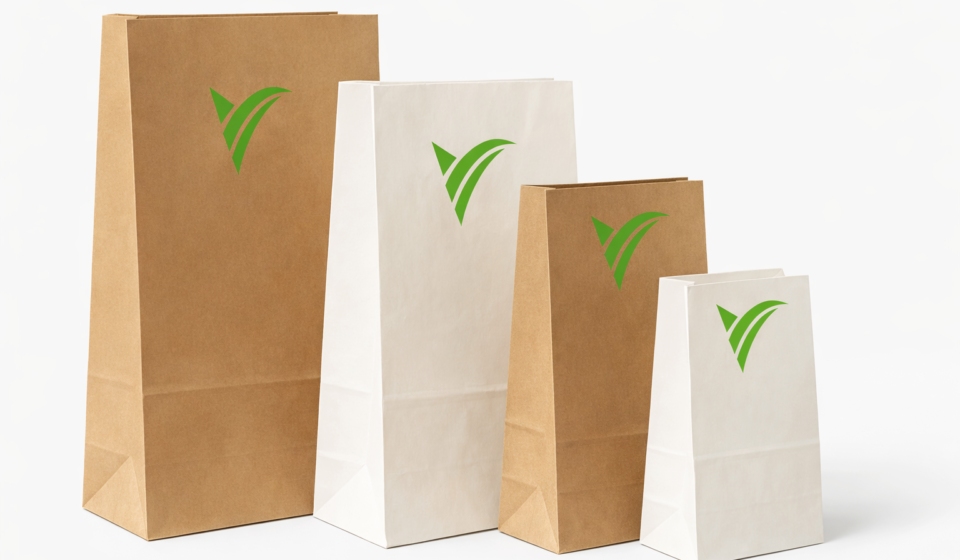

Packaging plays an important role in how businesses present their products and serve customers. As environmental awareness continues to grow, companies are looking for practical alternatives to plastic packaging. Paper bags have become a popular option because they are convenient, reusable, recyclable, and suitable for different industries. Choosing FSC certified paper bags also allows businesses to support responsible forestry practices while maintaining attractive and functional packaging. From retail stores and supermarkets to restaurants and gift shops, paper packaging offers a simple way to combine everyday convenience with environmental responsibility.
Understanding Sustainable Paper Packaging
Paper bags are made using paper materials that can be designed in different sizes, shapes, thicknesses, and styles. Their flexibility makes them suitable for carrying groceries, clothing, accessories, food products, stationery, and various other items. Unlike many conventional plastic alternatives, paper bags can be recycled through appropriate waste management systems.
Sustainable packaging is not only about selecting an environmentally friendly material. It also involves considering where the raw materials come from, how products are manufactured, and how packaging is disposed of after use. Businesses that understand these factors can make more responsible purchasing decisions and build better packaging practices.
Why Responsible Forestry Matters
Forests provide essential natural resources and support biodiversity, wildlife habitats, soil protection, and climate regulation. However, irresponsible logging and excessive resource consumption can negatively affect forest ecosystems. This makes responsible sourcing an important consideration for paper manufacturing.
The Forest Stewardship Council (FSC) is an international organisation that promotes responsible forest management. Its certification system helps businesses and consumers identify products made using materials sourced from responsibly managed forests and other approved sources.
When companies choose certified paper products, they can support supply chains that prioritise environmental and social responsibility. Certification also provides greater transparency regarding the origin of paper materials.
Some important principles associated with responsible forestry include:
- Protecting natural forests and their biodiversity.
- Respecting the rights of workers and local communities.
- Supporting responsible harvesting practices.
- Maintaining forest ecosystems for future generations.
- Improving transparency throughout the supply chain.
These practices help encourage a more thoughtful approach to manufacturing and packaging.
Benefits of Choosing Certified Paper Bags
Businesses increasingly recognise that packaging influences both customer experience and environmental impact. Selecting certified materials can help companies make their packaging choices more responsible without compromising everyday functionality.
Some important benefits include:
- Responsible material sourcing: Certified paper materials come from responsibly managed sources, helping businesses make informed purchasing decisions.
- Better brand perception: Customers often appreciate companies that demonstrate awareness of environmental concerns and make thoughtful packaging choices.
- Recycling opportunities: Paper bags can generally be recycled where suitable collection and processing facilities are available.
- Versatile applications: They are available in multiple designs and can accommodate products across retail, hospitality, food service, and other sectors.
- Customisation possibilities: Businesses can add logos, colours, product information, and creative artwork to create packaging that reflects their identity.
Different Types of Paper Bags for Businesses
Paper bags are available in several styles, making it easier for businesses to select packaging according to their products and requirements. Understanding these options can help companies find suitable solutions.
- Kraft paper bags: These bags are popular for their natural appearance, practical construction, and versatility. They are commonly used by grocery stores, bakeries, cafes, and retail outlets.
- Flat paper bags: Lightweight and simple, these are suitable for smaller products such as stationery, takeaway items, and accessories.
- Twisted handle bags: Featuring comfortable paper handles, these bags are useful for clothing stores, gift shops, and general retail packaging.
- SOS paper bags: Self-opening square bags provide convenient storage and are frequently used in food businesses and supermarkets.
- Luxury paper bags: These bags feature attractive finishes, reinforced construction, and customised printing for premium retail products.
Selecting the appropriate design depends on product weight, dimensions, presentation requirements, and intended usage.
The Importance of Quality and Manufacturing Standards
Although environmental responsibility is important, packaging must also perform its primary function effectively. A paper bag should be strong enough to carry its intended contents without tearing or losing its shape. Manufacturing quality directly influences durability, appearance, and customer satisfaction.
Businesses should consider several factors when evaluating paper packaging:
- Paper thickness: The GSM of paper influences its strength, flexibility, and overall feel.
- Handle construction: Handles should be securely attached and comfortable to hold.
- Bag dimensions: Appropriate sizing prevents unnecessary material consumption and improves product fit.
- Printing quality: Clear colours, readable text, and accurate branding create a professional appearance.
- Finishing: Neat folding, strong adhesive application, and clean edges contribute to better product quality.
Working with experienced manufacturers can help businesses maintain consistent standards and select packaging that meets their operational requirements.
How Paper Bags Support Different Industries
Paper bags are useful across a wide range of commercial activities because they can be adapted to different products and customer needs. Their simple construction and customisation options make them suitable for both small businesses and large organisations.
Retail stores use paper bags to pack clothing, footwear, cosmetics, books, and accessories. Restaurants and takeaway outlets rely on them for carrying food orders, bakery products, and packaged meals. Supermarkets use different sizes for groceries, while gift shops prefer decorative designs that improve product presentation. For growing companies, working with a dependable paper bag wholesaler can simplify procurement and ensure a regular supply of packaging materials. Wholesale purchasing is particularly useful for businesses that require large quantities and want consistent product specifications across multiple locations.
Conclusion
Consumers are becoming more aware of how everyday purchasing decisions affect the environment. This awareness has encouraged businesses to reconsider conventional packaging and explore alternatives that support more responsible consumption. Paper bags provide an accessible option for companies seeking to reduce their dependence on single-use plastic packaging.
However, their environmental benefits depend on responsible sourcing, efficient manufacturing, appropriate reuse, and proper recycling or disposal. VTPL is committed to providing practical paper packaging solutions for businesses looking for quality, functionality, and dependable manufacturing. Whether you need customised bags for retail operations, food businesses, promotional activities, or everyday commercial requirements, VTPL can help you explore suitable options.
