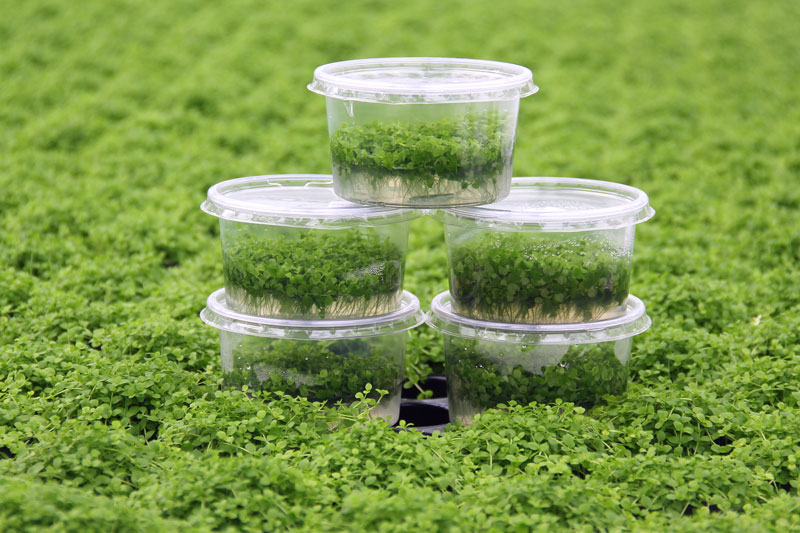

Packaging and shipping play an important role in maintaining the quality of tropical plants during transportation. Tissue culture plants are often young and delicate, making them sensitive to rough handling, temperature fluctuations, excessive moisture loss, and shipping delays. For commercial nurseries and plant distributors, choosing suitable packaging and coordinating reliable transportation are essential steps in protecting incoming plant material.
When sourcing Wholesale Tissue Culture Tropical Plants, buyers should discuss shipping arrangements with their suppliers before confirming an order. Understanding packaging methods, transit conditions, documentation, and delivery procedures can help reduce transportation risks and support smoother plant establishment after arrival.
1. Choose Packaging Suitable for the Plant Development Stage
Tissue culture plants may be shipped in different forms depending on their development stage, destination, and supplier’s production methods. Some plants remain inside sealed culture vessels, while others may be prepared using alternative protective packaging.
The packaging method should protect delicate plant structures and maintain suitable conditions throughout transportation. Buyers should confirm whether the proposed packaging is appropriate for the selected varieties and the expected transit time.
Before dispatch, discuss:
- Plant development stage and packaging requirements
- Container strength and sealing arrangements
- Protection against physical movement
- Moisture management
- Variety and batch identification
- Compliance with destination-country import rules
Clear packaging specifications help ensure that buyers and suppliers have the same expectations.
2. Protect Plants from Physical Damage
Young tropical plants can be damaged when containers shift, fall, or experience excessive pressure during handling. Leaves, stems, and developing roots may be particularly vulnerable.
Suppliers should use suitable protective materials and arrange containers securely inside shipping cartons. Packaging should reduce unnecessary movement while avoiding excessive pressure on the plants.
For larger shipments, dividing plants into organized groups can make handling and inspection easier. Labels should remain visible so that different varieties are not mixed during packing or delivery.
3. Maintain Suitable Temperature Conditions
Tropical plants generally have specific temperature requirements, and exposure to unsuitable conditions during transportation may affect their quality.
Shipping containers, airport storage areas, and transportation vehicles can experience temperature changes. Buyers should discuss the temperature sensitivity of each variety with the supplier and determine whether additional protection is necessary.
Important considerations include:
- Recommended transportation temperature range
- Exposure to heat during loading and unloading
- Risk of cold conditions during transit
- Storage arrangements at transfer facilities
- Seasonal weather along the shipping route
Temperature requirements vary by species and plant stage, so a single standard should not be assumed for every shipment.
4. Manage Moisture and Humidity During Transit
Moisture management is another important part of tissue culture plant shipping. Excessive moisture loss can cause dehydration, while inappropriate moisture conditions may encourage contamination or deterioration.
The correct approach depends on whether plants are transported in sealed culture vessels or another approved packaging system. Packaging should be designed to maintain suitable conditions without creating unnecessary risks from condensation or leakage.
Buyers should ask suppliers how moisture is controlled during packing and whether the selected method is appropriate for the estimated delivery time.
5. Select an Appropriate Shipping Method
The shipping method influences transit time, cost, handling requirements, and the condition of live plant material on arrival.
Air freight is commonly considered for international plant shipments because it can offer shorter transportation times. However, the best option depends on shipment volume, destination, freight availability, and the plants’ specific requirements.
When comparing shipping methods, evaluate:
- Estimated transit duration
- Total freight cost
- Number of handling and transfer points
- Availability of shipment tracking
- Customs clearance arrangements
- Handling procedures for live plant material
A lower freight price may not represent the best value if it involves longer transit times or less suitable handling arrangements.
6. Plan Shipping Schedules Carefully
Timing can have a direct effect on the condition of imported plants. Delays during weekends, public holidays, customs inspections, or busy shipping periods may extend the time plants spend in transit.
Before dispatch, coordinate the shipment schedule with the supplier and freight provider. Make sure the receiving nursery has staff available to accept and inspect the delivery.
It is useful to confirm:
- Expected dispatch date
- Estimated arrival date
- Freight booking details
- Shipment tracking information
- Customs processing arrangements
- Contact details for delivery coordination
Avoid scheduling shipments to arrive when the nursery is closed or unable to handle the plants promptly.
7. Prepare the Required Export and Import Documents
International plant transportation involves agricultural and customs requirements. Missing or incorrect documents can delay shipments and may result in additional inspection, storage costs, or other complications.
Depending on the destination country, plant species, and shipment conditions, documents may include:
- Phytosanitary certificate: Issued by the relevant plant protection authority when required.
- Import permit: Authorization required by some destination countries before plant material can enter.
- Commercial invoice: Identifies the products, quantities, seller, buyer, and declared values.
- Packing list: Provides details about shipment contents and packaging.
- Airway bill: Records the transportation arrangement for air freight.
Buyers should check all requirements with their national plant protection authority before placing an order. Tissue culture plants are not automatically exempt from plant import regulations.
8. Confirm Packaging Compliance with Import Regulations
Some countries impose specific restrictions on plant packaging, growing media, soil, and other materials accompanying imported plants.
These rules can affect how suppliers prepare shipments. For example, certain growing media may be prohibited or require special authorization. Packaging materials may also be subject to inspection or treatment requirements.
Before dispatch, confirm that the supplier understands the destination country’s regulations. Provide the relevant import instructions early so that packaging decisions can be made before the plants are prepared.
This is particularly important for commercial buyers importing multiple varieties or large quantities.
9. Inspect Shipments Immediately After Delivery
The receiving process is just as important as packaging and transportation. Once the shipment arrives, inspect it promptly to identify any problems that may have occurred during transit.
Check:
- Whether the number of packages matches the shipping documents
- Whether containers and cartons are intact
- Whether plant labels and variety information are correct
- Whether plants show signs of dehydration or physical damage
- Whether there are unusual signs of contamination
- Whether the shipment matches the agreed specifications
Photograph any significant issues and contact the supplier or freight provider as soon as possible. Keep affected plants separate while assessing their condition.
10. Prepare for Acclimatization After Arrival
Even when plants arrive in good condition, they may need time to adjust to the receiving nursery’s environment. Transportation can expose them to different temperatures, light levels, and handling conditions.
Prepare an appropriate acclimatization area before the shipment arrives. Depending on the plant variety and development stage, this may involve controlled humidity, filtered lighting, suitable growing media, and gentle ventilation.
Follow the supplier’s handling instructions and avoid moving young plants directly into strong sunlight or an uncontrolled greenhouse environment. Gradual adjustment can help reduce stress and support establishment.
11. Compare Total Shipping Costs and Supplier Reliability
Shipping expenses should be evaluated as part of the total purchasing cost. Commercial growers should consider more than the initial freight quotation when comparing suppliers or transportation options.
Relevant costs may include:
- Packaging and preparation charges
- International freight
- Customs duties and taxes
- Inspection and certification fees
- Customs clearance
- Storage or handling charges
- Local transportation
Supplier reliability is equally important. Review communication quality, delivery performance, packaging consistency, and the supplier’s experience with international plant shipments.
A slightly higher shipping cost may be justified when the arrangement offers more suitable handling, clearer documentation, and better coordination.
Conclusion
Packaging and shipping are essential considerations when importing wholesale tissue culture tropical plants for commercial growing. Suitable packaging, temperature and moisture management, careful shipping schedules, and accurate documentation all contribute to protecting plant quality during transportation.
Buyers should coordinate closely with suppliers, verify import regulations before dispatch, and prepare their facilities for prompt inspection and acclimatization. By managing each stage carefully, commercial nurseries can reduce avoidable shipping risks and establish a more reliable process for receiving tropical plant shipments.