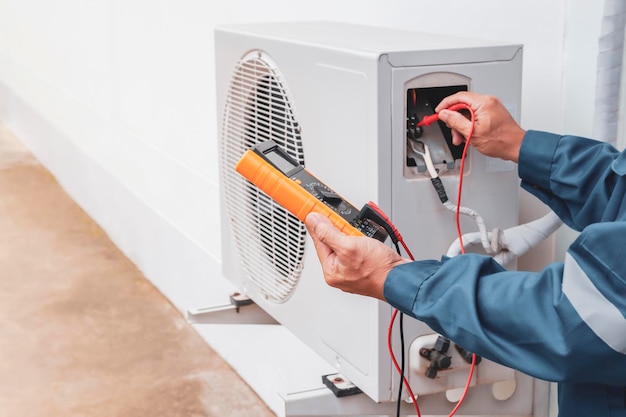

Heating and cooling equipment plays an important role in maintaining a comfortable indoor environment throughout the year. During hot weather, an air conditioner helps control indoor temperatures, while a heating system provides warmth when the weather becomes cold. Like other mechanical equipment, these systems need regular attention to continue working properly. HVAC Maintenance helps reduce equipment strain, improve airflow, identify developing problems, and support steady performance. Without proper care, small issues such as dirty filters or blocked drainage lines can affect comfort and may lead to expensive repairs. A regular maintenance routine can help property owners protect their heating and cooling equipment.
Why Regular HVAC Care Matters
An HVAC system contains several connected parts that work together to control indoor temperature and air movement. These include filters, fans, coils, thermostats, electrical components, and ventilation systems. When one part becomes dirty or damaged, it can affect the performance of the entire unit. Regular inspections help identify problems before they become more serious. HVAC Maintenance also gives technicians an opportunity to check whether the equipment is operating according to its intended settings. Keeping the system in good condition can reduce unexpected breakdowns and help maintain a comfortable temperature inside the property.
Replacing and Cleaning Air Filters
Air filters collect dust, dirt, pet hair, and other particles before they enter the HVAC system. Over time, these materials build up and restrict airflow. When air cannot move freely, the heating or cooling equipment may have to work harder to maintain the selected temperature. This can affect comfort and increase energy consumption. Homeowners should check their filters regularly and clean or replace them according to the manufacturer’s instructions. The correct filter size and type are also important. As part of HVAC Maintenance in Las Vegas, filter inspections are a simple but important step toward maintaining proper airflow and protecting internal components.
Keeping Indoor and Outdoor Coils Clean
The evaporator and condenser coils play important roles in the heating and cooling process. The indoor coil helps absorb heat from the air, while the outdoor coil releases heat outside. Dust, dirt, and other debris can collect on these surfaces and reduce heat transfer. Dirty coils may cause longer operating cycles and lower system performance. Outdoor units should have enough clear space around them so air can move freely. Internal coil cleaning may require suitable tools and care to avoid damaging delicate surfaces. Regular HVAC Maintenance helps keep these components clean and allows the equipment to operate more effectively.
Checking Thermostats and System Controls
The thermostat tells the HVAC system when to heat or cool the property. If its settings are incorrect or its sensors are not working properly, indoor temperatures may become uncomfortable. A poorly positioned thermostat can also give inaccurate readings if it is exposed to direct sunlight or placed near heat-producing equipment. During an inspection, technicians can check thermostat settings, control connections, and system responses. Homeowners may also benefit from learning how to use programmable or smart thermostat features. Proper HVAC Maintenance includes checking these controls so the equipment responds correctly to temperature changes and household needs.
Inspecting Ductwork and Airflow
Ductwork carries heated or cooled air from the HVAC equipment to different rooms. Leaks, loose connections, dust buildup, and blocked vents can affect how air moves through the property. These problems may cause uneven temperatures, weak airflow, and unnecessary energy loss. Some rooms may receive too much conditioned air while others remain uncomfortable. A duct inspection can help identify visible damage, disconnected sections, and possible airflow restrictions. Sealing suitable leaks and keeping vents clear can improve air distribution. Including ductwork checks in HVAC Maintenance helps support consistent indoor comfort and reduces unnecessary pressure on the system.
Preparing Heating Equipment for Cold Weather
Heating systems should be inspected before colder weather begins. Furnaces, boilers, and heat pumps have different maintenance needs, but all require attention to important operating components. Depending on the equipment, an inspection may include checking burners, electrical connections, heat exchangers, filters, ventilation, and safety controls. Gas-powered systems need special care because incorrect combustion or ventilation can create serious safety risks. Carbon monoxide alarms should be installed and maintained according to their instructions. Seasonal HVAC Maintenance helps identify heating problems before the system is needed regularly and supports safer operation during winter.
Getting the Cooling System Ready for Summer
An air conditioner that has been unused for several months may need an inspection before the weather becomes hot. The outdoor unit should be checked for leaves, dirt, and other debris that can block airflow. Technicians may also inspect refrigerant lines, drainage, electrical components, coils, and the indoor blower. The condensate drain should remain clear so moisture can leave the system properly. Homeowners should test the equipment before the hottest days arrive instead of waiting until a breakdown occurs. Including cooling equipment in HVAC Maintenance can help prepare the system for longer operating periods during summer.
Reducing Energy Waste and Unexpected Repairs
An HVAC system that is poorly maintained may use more energy because it needs to run longer to reach the desired temperature. Dirty filters, blocked coils, leaking ducts, and incorrect settings can all contribute to this problem. Regular care helps identify conditions that may affect performance and allows smaller repairs to be handled before they cause additional damage. However, maintenance does not guarantee that equipment will never break down. The age, condition, design, and usage of the system also matter. A consistent HVAC Maintenance schedule can help property owners manage operating costs and reduce the risk of sudden equipment failures.
Creating a Practical Maintenance Routine
A good maintenance routine includes simple checks by the property owner and periodic inspections by a qualified technician. Homeowners can monitor filter condition, keep vents clear, remove debris around outdoor units, and pay attention to unusual noises or changes in performance. Technical tasks involving electrical connections, refrigerant, gas lines, and internal mechanical parts should be handled by qualified professionals. Keeping records of inspections and repairs can also make it easier to track the equipment’s condition over time. With regular HVAC Maintenance, heating and cooling systems can remain in better condition, provide more consistent indoor comfort, and serve the property for many years.