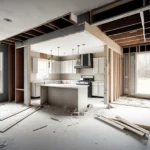
Buying a home is an exciting experience, but it also involves careful planning and important financial decisions. Before purchasing a property, buyers should understand its condition and identify areas that may need repairs. A house can look attractive during a viewing while still having problems with its roof, plumbing, foundation, or electrical systems. Home Inspection Services help buyers and homeowners examine the visible condition of a property and understand its maintenance needs. A detailed inspection can provide useful information before completing a purchase or planning improvements.
Understanding the Home Inspection Process
A home inspection involves a visual review of important building components and accessible systems. The inspector generally examines the roof, foundation, exterior walls, ceilings, floors, windows, doors, and major utility systems. The purpose is to identify visible defects, signs of wear, and conditions that may require further evaluation. Home Inspection Services provide buyers with a clearer understanding of the property they are considering. They also help current homeowners identify maintenance concerns and organize repairs according to the condition of their building.
Checking the Roof and Exterior Structure
The roof and exterior walls protect a home from rain, wind, sunlight, and other weather conditions. Missing shingles, damaged flashing, clogged gutters, cracked siding, and deteriorating materials may allow moisture to enter the property. Inspectors review visible roofing materials and exterior surfaces for signs of damage or wear. Windows, doors, drainage areas, and other accessible features may also receive attention. A careful inspection can help property owners recognize exterior problems before they lead to more extensive damage.
Examining the Foundation and Interior Areas
The foundation supports the entire building, making its visible condition an important part of the inspection. Cracks, uneven floors, sticking doors, and gaps around windows may indicate movement or other structural concerns. These signs do not always mean serious damage exists, but they should be evaluated carefully. Inside the home, inspectors may review walls, ceilings, floors, stairways, and other accessible areas for visible defects. Water stains, damaged drywall, loose flooring, and unusual cracks can point to problems that deserve additional investigation.
Reviewing Electrical and Plumbing Systems
Electrical and plumbing systems are essential for the everyday operation of a home. Electrical components may be reviewed for exposed wiring, damaged outlets, missing covers, and signs of overheating. Plumbing fixtures, accessible pipes, sinks, toilets, and drainage areas may also be checked for leaks or deterioration. Older systems can require additional attention because materials and equipment may become worn over time. Home Inspection Services in Punta Gorda help identify visible concerns and indicate when further evaluation by licensed electricians or plumbers may be necessary.
Identifying Moisture and Ventilation Concerns
Moisture can damage building materials and create conditions that support mold growth. Roof leaks, plumbing problems, poor drainage, and limited ventilation are common sources of indoor dampness. Water stains, peeling paint, musty odors, and visible mold-like growth may indicate that an area has experienced moisture problems. Bathrooms, kitchens, basements, attics, and spaces around plumbing fixtures deserve particular attention. Finding the source of moisture is important because cleaning visible damage without correcting the underlying issue may allow the problem to return.
Why the Inspection Report Is Important
A written inspection report provides buyers and homeowners with a record of the inspector’s findings. It may include photographs, descriptions of visible defects, observations about major systems, and recommendations for further evaluation. This information helps readers understand which concerns require immediate attention and which may be part of regular maintenance. Clear reporting makes Home Inspection Services more useful because buyers can review the findings after the inspection and discuss repairs or maintenance plans with appropriate professionals.
When Should You Schedule a Home Inspection?
The right time for an inspection depends on the property’s condition and the reason for the assessment. Buyers often arrange one after an offer has been accepted and before completing the purchase, depending on the agreement and deadlines. Sellers may request an inspection before listing their property to identify maintenance issues in advance. Existing homeowners can also arrange inspections when planning renovations, reviewing older buildings, or investigating visible damage. Early information can help property owners make better decisions and prepare for possible repair expenses.
Choosing the Right Inspection Provider
Selecting an inspection provider requires attention to qualifications, experience, communication, and the inspection process. Homeowners should ask which areas will be covered, how long the assessment may take, and when the report will be available. It is also important to understand the limitations of a standard visual inspection. Hidden defects, pest activity, mold concerns, and specialized system problems may require separate assessments. A suitable provider should explain findings clearly and recommend further evaluation when a concern falls outside the inspection’s scope.
Making Better Decisions About Your Home
Understanding a home’s condition can make buying, selling, and maintaining property easier. An inspection can reveal visible defects, highlight maintenance needs, and identify areas that require specialist attention. Although no inspection can guarantee that a building is free from hidden problems, it can provide valuable information about its accessible condition. Arranging Home Inspection Services before purchasing a property or when reviewing an existing home is a practical way to plan repairs, protect your investment, and approach property decisions with greater confidence.