Introduction
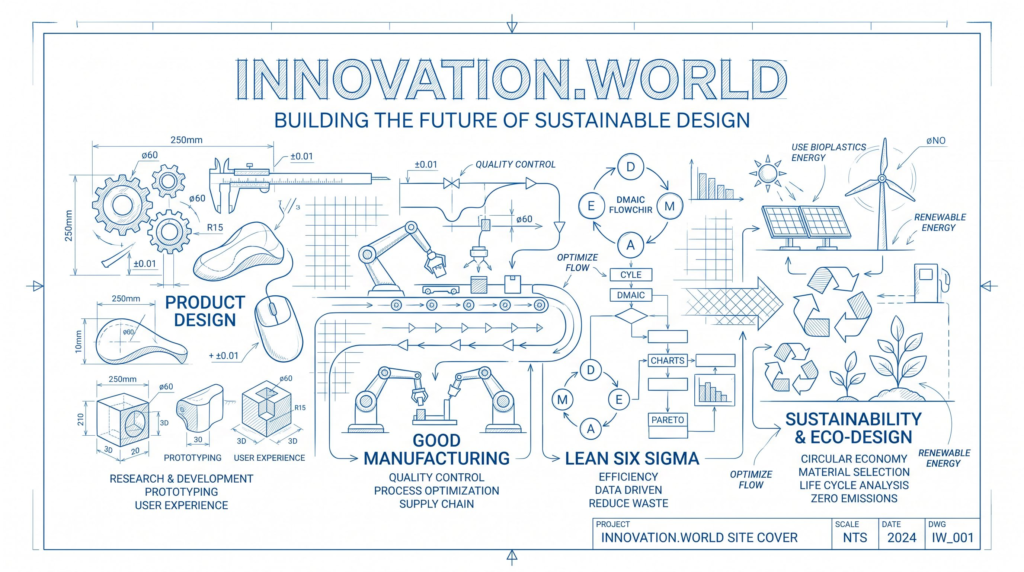
Manufacturing is an essential part of the global economy, transforming raw materials into useful products that support businesses, communities, and everyday life. From small production workshops to large industrial facilities, manufacturers depend on reliable resources, advanced technologies, skilled workers, and effective management systems. Access to the right Manufacturing Resources can help businesses improve production processes, explore innovative ideas, and respond to changing market demands.
As industries continue to evolve, manufacturers must consider efficiency, quality, sustainability, and technological advancement. Understanding the resources available to modern manufacturing organizations is an important step toward building successful and competitive operations.
Understanding Manufacturing Resources
Manufacturing resources include the materials, equipment, technology, workforce, information, and infrastructure required to produce goods. Each resource contributes to a different stage of the production process, from initial planning and material preparation to assembly, inspection, packaging, and distribution.
Raw materials form the foundation of manufacturing activities. Machinery and production equipment help transform these materials into finished products, while employees provide the technical knowledge and practical skills needed to maintain quality.
Businesses also depend on electricity, transportation, storage facilities, and reliable supply chains. Managing these resources effectively helps manufacturers maintain consistent production and avoid unnecessary delays.
The Importance of Modern Manufacturing Technology
Technology has significantly changed how manufacturing organizations operate. Automation, robotics, computer-controlled machinery, and digital production systems allow businesses to improve precision and manage repetitive tasks more efficiently.
Manufacturers can also use digital monitoring systems to track production performance, identify operational problems, and make informed decisions. Computer-aided design and manufacturing software supports product development by connecting digital designs with production equipment.
These technologies can help reduce manual errors, improve consistency, and support more flexible manufacturing operations.
Workforce Skills and Professional Development
Employees remain one of the most valuable resources in manufacturing. Even highly automated facilities require knowledgeable professionals to operate equipment, monitor production, maintain machinery, and solve technical problems.
Training programs help workers develop essential skills in machine operation, quality control, workplace safety, and digital manufacturing systems. Professional development also allows employees to adapt to new technologies and changing production requirements.
Manufacturers that encourage continuous learning can build stronger teams and improve communication between different departments.
Supply Chain Management and Material Availability
Reliable supply chains are necessary for maintaining uninterrupted manufacturing operations. Businesses need access to suitable raw materials, components, packaging, and transportation services.
Effective supply chain management involves selecting dependable suppliers, monitoring inventory, planning deliveries, and preparing for potential disruptions. Maintaining good relationships with suppliers can also improve communication and create opportunities for long-term cooperation.
Manufacturers should regularly evaluate material availability and purchasing requirements to avoid excessive inventory costs or unexpected shortages.
Quality Control and Production Standards
Quality control helps ensure that manufactured products meet established specifications and customer expectations. Inspection procedures, testing equipment, documented processes, and employee training all contribute to maintaining consistent standards.
Manufacturers can introduce quality management systems to monitor production activities and identify areas that require improvement. Regular evaluations help organizations detect defects, reduce waste, and improve product reliability.
A strong quality management approach also supports customer confidence and helps businesses maintain their reputation in competitive markets.
Sustainable Manufacturing Practices
Environmental responsibility is becoming increasingly important across manufacturing industries. Companies are exploring ways to reduce waste, conserve energy, and use materials more efficiently.
Some practical approaches include:
- Energy efficiency: Using modern machinery, efficient lighting, and improved energy management systems to reduce unnecessary consumption.
- Material optimization: Recycling suitable materials, minimizing production waste, and selecting more sustainable alternatives where practical.
Manufacturers can also improve water management, reduce excessive packaging, and evaluate the environmental impact of their supply chains. These measures support more responsible production while creating opportunities for operational improvements.
Research, Development, and Industrial Innovation
Research and development help manufacturers discover new production methods, improve existing products, and explore emerging technologies. Testing new materials, developing prototypes, and evaluating alternative manufacturing techniques can create valuable opportunities for businesses.
Innovation also involves improving established processes. For example, manufacturers may reorganize production layouts, introduce digital inventory systems, or adopt more efficient equipment to address operational challenges.
Access to useful industry information and technical knowledge can help organizations understand new developments and identify relevant opportunities. Innovation-focused platforms such as innovation.world can provide additional perspectives on technology, research, and industrial progress.
The Future of Manufacturing Resources
Manufacturing will continue to change as artificial intelligence, connected machinery, advanced robotics, and smart production systems become more widely adopted. These developments are creating opportunities for businesses to improve visibility across production operations and respond more quickly to customer requirements.
Future manufacturing strategies will likely place greater emphasis on digital skills, flexible production systems, resource efficiency, and sustainable materials. Organizations that evaluate new technologies carefully can prepare their operations for changing industrial conditions.
Conclusion
Manufacturing success depends on the effective management of materials, machinery, employees, technology, and supply chains. By investing in workforce development, modern equipment, quality control, and sustainable production methods, businesses can strengthen their operations and support long-term growth. Access to reliable Manufacturing Resources can also help organizations explore new ideas, understand technological developments, and discover opportunities to improve industrial productivity. A balanced approach to resource management and innovation will remain essential for the future of manufacturing.
How to Choose the Right Type of Braces for Your Smile