
A healthy, well-aligned smile can improve more than just appearance. Properly positioned teeth can make chewing easier, support better oral hygiene, and contribute to overall dental health. However, not everyone naturally develops perfectly aligned teeth. Crowding, gaps, overlapping teeth, and bite irregularities are common concerns that may require orthodontic treatment.
Fortunately, modern dentistry offers several types of braces to address different alignment problems. From traditional metal braces to ceramic braces and transparent clear aligners, patients have multiple options depending on their dental condition, lifestyle, and personal preferences. However, selecting the right treatment requires more than simply choosing the option that looks most appealing.
With professional guidance from dental practitioners such as Dr Hasan Odeh, patients can better understand their orthodontic needs and explore suitable treatment options. Here are several important factors to consider when choosing the right type of braces for your smile.
1. Understand Your Dental Alignment Problems
The first step in choosing braces is identifying the specific dental concerns you want to correct. Different orthodontic treatments are designed to address different alignment problems.
Some common orthodontic conditions include:
- Crowded teeth: Occur when there is insufficient space for teeth to align properly.
- Gaps between teeth: Spaces may develop between individual teeth due to differences in tooth size or jaw structure.
- Overbite: Happens when the upper front teeth extend significantly over the lower front teeth.
- Underbite: Occurs when the lower teeth extend beyond the upper front teeth.
- Crossbite: Develops when some upper teeth sit inside the lower teeth rather than outside them.
Understanding these concerns helps dental professionals determine which orthodontic approach may provide the most appropriate results. A detailed examination is necessary because some conditions require more complex treatment than others.
2. Consider Traditional Metal Braces
Traditional metal braces remain one of the most established orthodontic treatment options. They consist of metal brackets attached to individual teeth and connected through orthodontic wires. The wires apply controlled pressure to gradually move teeth into their desired positions.
One major advantage of metal braces is their ability to address a wide range of orthodontic problems, including significant crowding and complex bite irregularities.
They are fixed appliances, meaning patients do not need to remember to put them back after eating or brushing. However, they are more visible than other options and require careful cleaning around brackets and wires.
Metal braces may be suitable for individuals who need comprehensive orthodontic correction and do not mind having visible dental appliances throughout treatment.
3. Explore Ceramic Braces for a Subtle Appearance
Ceramic braces work similarly to traditional metal braces but use tooth-coloured or translucent brackets. Their design helps them blend more naturally with the teeth, making them less noticeable.
This option may appeal to adults and teenagers who want the corrective capabilities of fixed braces while preferring a more discreet appearance.
Ceramic braces can address several alignment concerns, depending on the treatment plan. However, their brackets may be more fragile than metal alternatives and can become stained if proper care is neglected.
Patients should discuss their maintenance requirements and suitability with their orthodontist before choosing this option.
4. Consider Invisible Braces and Clear Aligners
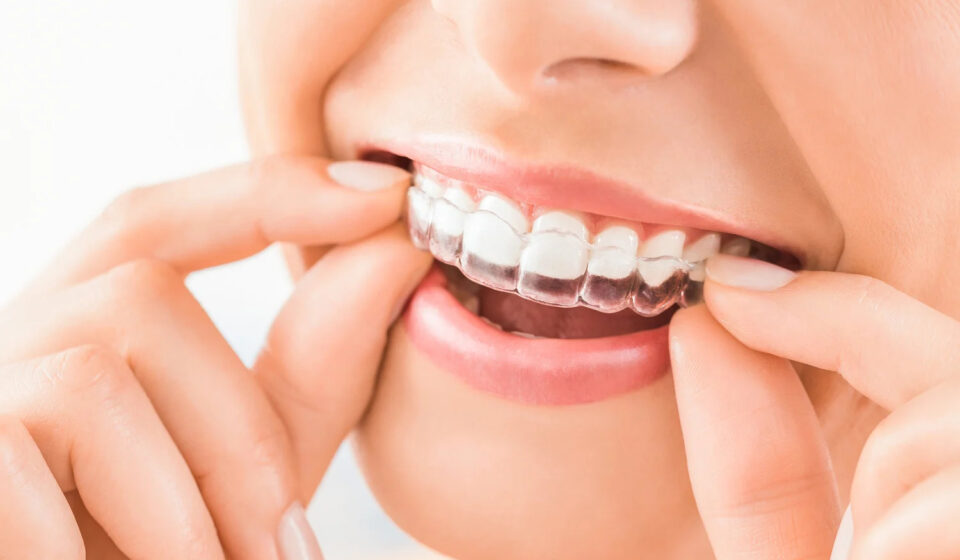
Invisible braces, commonly known as clear aligners, offer a modern approach to teeth straightening. They consist of transparent, customised trays that fit over the teeth and gradually guide them into improved positions.
Unlike traditional braces, clear aligners do not use fixed metal brackets or wires. Their nearly transparent appearance makes them appealing to individuals who want to straighten their teeth without making orthodontic treatment highly noticeable.
Some important advantages include:
- Removable design for easier eating.
- Convenient brushing and flossing.
- Smooth surfaces that can reduce irritation.
- Discreet appearance during everyday activities.
- Customised treatment planning.
However, clear aligners require discipline. Most systems recommend wearing them for approximately 20 to 22 hours daily, although specific instructions depend on the treatment plan.
They may be suitable for mild to moderate alignment problems, but certain complex cases may require alternative orthodontic solutions.
5. Evaluate Your Lifestyle and Daily Routine
Your lifestyle is another important consideration when selecting braces. The right treatment should fit comfortably into your everyday activities and responsibilities.
For example, professionals who regularly attend meetings or interact with clients may prefer clear aligners because of their discreet appearance. Students and teenagers may consider traditional braces if they need fixed treatment that does not depend on remembering to wear removable appliances.
People who participate in sports should also discuss their orthodontic options with a dental professional. Depending on the activity, a suitable mouthguard may be recommended to protect the teeth and orthodontic appliances.
Think about your eating habits, daily schedule, oral hygiene routine, and ability to follow treatment instructions before making a decision.
6. Compare Treatment Duration and Requirements
The time required to straighten teeth varies from person to person. Factors such as the severity of misalignment, the type of braces selected, and individual biological responses can influence treatment duration.
Some patients may achieve their desired results within several months, while more complicated cases can require a few years.
Traditional braces apply continuous pressure because they remain attached to the teeth. Clear aligners follow a planned sequence of trays that patients replace according to their orthodontist’s instructions.
Patients should avoid choosing a treatment solely because they expect it to be faster. A realistic treatment timeline should be established after evaluating the dental condition and expected tooth movements.
7. Consider Your Budget and Overall Treatment Costs
Cost is another factor that can influence your decision. The price of orthodontic treatment depends on the type of braces, the complexity of the case, treatment duration, and the dental clinic’s fees.
Traditional metal braces are often a more economical option compared with some advanced clear aligner systems. Ceramic braces and invisible braces may involve additional costs because of their materials, customised components, or treatment planning requirements.
When comparing prices, ask what the total treatment package includes. This may cover initial consultations, diagnostic scans, follow-up appointments, emergency visits, and retainers.
Understanding the complete financial commitment helps prevent unexpected expenses during treatment.
8. Prioritise Professional Assessment and Guidance
Perhaps the most important step is consulting an experienced dental professional before choosing braces. Online information can help patients understand different treatments, but it cannot replace an individual clinical examination.
A dental professional may evaluate:
- Tooth alignment and spacing.
- Jaw positioning and bite relationship.
- Gum health and existing dental concerns.
- Available space for tooth movement.
- Treatment goals and expected outcomes.
Digital scans, dental photographs, and X-rays may also be recommended when necessary. These assessments help create a treatment plan based on the patient’s specific orthodontic requirements.
Professional guidance also ensures that patients understand the responsibilities, limitations, and expected results associated with their selected treatment.
9. Remember the Importance of Retainers After Treatment
Choosing the right braces is only one part of achieving a lasting result. After orthodontic treatment, teeth can gradually shift towards their previous positions if they are not properly maintained.
Retainers help keep teeth in their corrected positions while the surrounding tissues adapt. Depending on individual requirements, patients may receive removable retainers or fixed retainers attached behind the teeth.
Following the recommended retainer schedule is essential for maintaining alignment and protecting the results achieved through orthodontic treatment.
Conclusion
Choosing the right type of braces involves considering several factors, including dental alignment, appearance, comfort, lifestyle, treatment duration, and budget. Traditional metal braces, ceramic braces, and invisible braces each offer different advantages depending on individual orthodontic needs. Rather than selecting a treatment based only on appearance or cost, patients should seek professional guidance to identify the most suitable option. Individuals exploring Invisible Braces in Gemini Medical Center Dubai can consult Dr Hasan Odeh to discuss their smile goals, understand available orthodontic solutions, and receive personalised recommendations. With proper assessment, consistent care, and professional supervision, patients can take an informed step towards achieving a healthier and more confident smile.