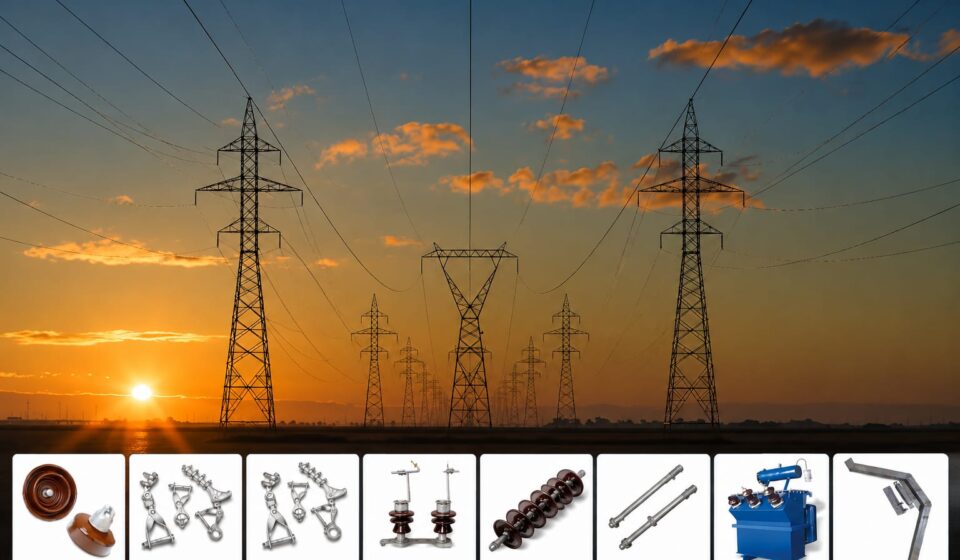

Electrical power distribution is an essential part of modern infrastructure, supporting residential areas, commercial buildings, industrial facilities, and large-scale development projects. Electricity is transmitted and distributed through different systems to ensure a reliable power supply to consumers. One important part of this infrastructure is the overhead electrical distribution network, which uses specialized materials and equipment to safely carry electricity over long distances.
LT-HT Over-Head Material refers to the electrical components and accessories used in Low Tension (LT) and High Tension (HT) overhead power distribution lines. These materials play an important role in maintaining electrical safety, supporting conductors, controlling power flow, and ensuring reliable electricity distribution.
What Is LT-HT Over-Head Material?
LT-HT overhead materials are specially designed electrical components used in overhead transmission and distribution systems. LT stands for Low Tension, while HT stands for High Tension. Both systems require different types of electrical equipment depending on their voltage levels and operational requirements.
LT distribution systems generally deliver electricity to residential, commercial, and smaller industrial consumers. HT distribution systems carry electricity at higher voltage levels and are commonly used to distribute power between substations, transformers, and distribution networks.
These systems require durable materials that can withstand environmental conditions, mechanical stress, and electrical loads.
Types of LT Overhead Materials
Low Tension overhead materials are commonly used in electrical distribution networks that supply power to homes, shops, offices, and small industries.
Some important LT overhead materials include:
1. LT Poles
LT poles provide structural support for overhead electrical conductors. They are available in different materials, including concrete, steel, and other approved construction materials. Proper pole selection ensures mechanical stability and safe conductor clearance.
2. LT Insulators
Insulators prevent electrical current from passing into supporting structures. They help maintain proper separation between conductors and poles, reducing the risk of electrical faults.
3. LT Cross Arms
Cross arms are mounted on electrical poles to support conductors and insulators. They help maintain the required distance between overhead wires.
4. LT Clamps and Connectors
Clamps and connectors are used to secure conductors and establish reliable electrical connections. Quality connectors help reduce loose connections, overheating, and power losses.
5. LT Conductors
Conductors carry electrical current through the distribution network. Aluminium and aluminium-based conductors are commonly used because of their electrical and mechanical properties.
Types of HT Overhead Materials
High Tension overhead materials are used in higher-voltage electrical distribution networks. These components are designed to withstand greater electrical stress and demanding environmental conditions.
1. HT Insulators
HT insulators provide electrical isolation between high-voltage conductors and supporting structures. Porcelain, glass, and polymer insulators are commonly used in overhead electrical systems.
2. HT Cross Arms
HT cross arms support overhead conductors and maintain appropriate spacing between electrical phases. They are manufactured according to the mechanical and electrical requirements of the distribution system.
3. Stay Sets
Stay sets provide additional mechanical support to electrical poles, especially where overhead conductors create unbalanced pulling forces. They help maintain pole stability.
4. HT Conductors
HT conductors are used to carry electricity through high-voltage overhead distribution networks. Their selection depends on voltage requirements, current capacity, mechanical strength, and installation conditions.
5. Suspension and Tension Hardware
Suspension and tension hardware are used to support and secure overhead conductors. These accessories help maintain conductor positioning and mechanical stability.
Importance of Quality LT-HT Overhead Materials
Using high-quality overhead electrical materials is essential for maintaining a safe and reliable electricity distribution network.
Some major benefits include:
- Improved electrical safety: Quality insulators and accessories help reduce electrical leakage and faults.
- Long service life: Durable materials can withstand changing weather conditions and environmental exposure.
- Reliable power distribution: Proper electrical connections help maintain consistent electricity delivery.
- Reduced maintenance costs: Quality components can minimize frequent repairs and replacements.
- Mechanical strength: Strong supporting materials help maintain the stability of overhead distribution lines.
- Better operational efficiency: Properly selected electrical accessories help reduce avoidable system losses and interruptions.
Applications of LT-HT Overhead Materials
LT-HT overhead materials are used in various electrical infrastructure projects throughout Pakistan.
Common applications include:
- Residential electricity distribution networks.
- Commercial buildings and shopping centers.
- Industrial power distribution systems.
- Rural electrification projects.
- Agricultural electricity supply networks.
- Public infrastructure and development projects.
- Electrical substations and distribution feeders.
- Utility power distribution networks.
These materials are essential for establishing new overhead distribution lines as well as upgrading and maintaining existing electrical infrastructure.
Factors to Consider When Purchasing LT-HT Overhead Material
Selecting the right overhead electrical materials requires careful consideration of technical specifications and quality standards.
Material Quality: Choose products manufactured using suitable materials that provide adequate mechanical strength and corrosion resistance.
Technical Specifications: Ensure that every component meets the required voltage rating, dimensions, load capacity, and electrical specifications.
Weather Resistance: Overhead materials are exposed to sunlight, rain, humidity, dust, and changing temperatures. Appropriate protective finishes and materials help improve durability.
Manufacturing Standards: Purchase products that comply with applicable electrical utility requirements and recognized industry standards.
Supplier Reliability: Work with experienced manufacturers and suppliers who can provide consistent product quality, technical documentation, and dependable delivery.
Why Choose a Professional LT-HT Material Supplier?
A reliable supplier plays an important role in successful electrical distribution projects. Professional suppliers can provide different types of LT and HT overhead materials according to project specifications.
They can also assist contractors, electrical engineers, construction companies, and utility organizations in selecting compatible components for their installations.
Before purchasing, customers should compare product specifications, material quality, warranty conditions, and supplier experience.
Conclusion
LT-HT Over-Head Material is an essential part of modern electrical power distribution infrastructure. From conductors and insulators to cross arms, clamps, stay sets, and supporting hardware, every component contributes to the safe and efficient operation of overhead electrical networks.
Choosing high-quality LT and HT materials helps improve electrical safety, reduce maintenance requirements, and ensure reliable electricity distribution. Whether you are working on a residential electrification project, industrial installation, or large-scale utility network, investing in reliable overhead electrical materials is an important step toward building a durable and efficient power distribution system.