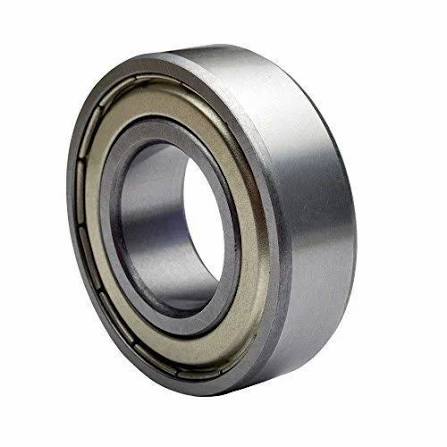

Water lubricated bearings are specialized mechanical components designed to reduce friction between moving surfaces by using water as the lubricating medium. Unlike conventional bearings that depend on oil or grease, these bearings utilize water to create a lubricating film between the shaft and bearing surface. They are widely used in marine equipment, pumps, hydroelectric systems, and other industrial applications where water is readily available.
The growing demand for environmentally responsible and low-maintenance machinery has increased interest in Water Lubricated Bearings across different industries. Their ability to operate without petroleum-based lubricants makes them a practical option for equipment exposed to water, particularly in applications where oil leakage could cause environmental contamination.
Understanding the Working Principle of Water Lubricated Bearings
Water lubricated bearings operate by allowing a thin layer of water to develop between the rotating shaft and the bearing surface. This water film helps minimize direct contact between the two components, reducing friction, heat generation, and mechanical wear.
In many designs, water enters through the bearing clearance during operation. As the shaft rotates, it helps distribute water across the contact area, creating conditions that support hydrodynamic lubrication.
However, the effectiveness of this process depends on several operating factors, including shaft speed, applied load, water flow, bearing clearance, and material properties. Proper design is essential to maintain stable performance and prevent excessive wear.
Design and Construction of Water Lubricated Bearings
The design of water lubricated bearings focuses on maintaining reliable operation in wet environments while providing sufficient load-carrying capacity and wear resistance.
1. Bearing Housing
The bearing housing provides structural support and maintains the correct position of the bearing within the equipment. It must withstand operating loads, vibration, and environmental conditions without compromising alignment.
2. Bearing Lining Materials
Material selection is particularly important because water has different lubrication characteristics from conventional oils. Common materials include:
- Rubber: Offers flexibility, vibration absorption, and good resistance to water exposure.
- Polymer composites: Provide wear resistance, dimensional stability, and low-friction characteristics.
- Thermoplastics: Can offer corrosion resistance and suitable mechanical properties for specific applications.
- Engineered composite materials: Combine different material properties to meet demanding operating requirements.
The appropriate material depends on water quality, operating temperature, shaft speed, and applied loads.
3. Lubrication Channels and Grooves
Some bearing designs incorporate grooves or channels that help distribute water across the bearing surface. These features support water circulation, remove debris, and assist in cooling.
Their configuration must be carefully designed to maintain sufficient water flow without unnecessarily reducing the bearing’s load-supporting area.
4. Shaft and Bearing Clearance
The clearance between the shaft and bearing surface directly influences lubrication performance. Excessive clearance may reduce support and affect stability, while insufficient clearance can increase friction and create operating problems.
Accurate manufacturing and installation help maintain the required clearance throughout the equipment’s service life.
Major Applications of Water Lubricated Bearings
Water lubricated bearings are suitable for machinery operating in environments where water is continuously available or forms part of the operating process.
Marine Propulsion Systems
One of the most common applications is marine propulsion. These bearings support propeller shafts and help maintain smooth rotation in ships, boats, and other marine vessels.
Because seawater can serve as the lubricating medium in appropriately designed systems, the risk of oil leakage into marine environments can be reduced.
Industrial Water Pumps
Water pumps often operate continuously in demanding conditions. Water lubricated bearings can support rotating shafts while reducing dependence on conventional lubricants.
They are used in selected centrifugal pumps, vertical turbine pumps, and other water-handling equipment.
Hydroelectric Power Plants
Hydroelectric facilities rely on rotating machinery to generate electricity. Water lubricated bearings can be incorporated into certain turbine and auxiliary equipment designs, where their resistance to wet operating conditions is beneficial.
Wastewater Treatment Facilities
Pumps and rotating equipment in wastewater treatment plants may operate in environments containing moisture, suspended particles, and chemically active substances.
Suitable water lubricated bearing materials can provide reliable performance when selected according to the specific fluid conditions.
Industrial Processing Equipment
Some industrial systems use water-based processes for cooling, circulation, and material handling. In these environments, water lubricated bearings can provide an alternative to conventional lubrication systems.
Key Advantages of Water Lubricated Bearings
Several characteristics make these bearings attractive for marine and industrial applications.
Environmental Protection: Since they do not require conventional oil or grease lubrication, they can reduce the possibility of lubricant contamination in water systems.
Lower Maintenance Requirements: Their relatively simple lubrication arrangements can reduce the need for oil replacement, grease application, and associated maintenance activities.
Corrosion Resistance: When manufactured using suitable materials, they can perform effectively in freshwater and seawater environments.
Reduced Operating Costs: Eliminating certain conventional lubrication components and maintenance procedures may help lower long-term operating expenses.
Effective Heat Dissipation: Water can carry heat away from the bearing surface, helping control operating temperatures when sufficient circulation is maintained.
Challenges and Important Design Considerations
Despite their benefits, water lubricated bearings require careful engineering to achieve dependable performance.
Water generally has lower viscosity than oil, meaning it provides a thinner lubricating film under comparable conditions. This makes bearing geometry, shaft speed, loading, and surface finish particularly important.
Other considerations include:
- Water quality: Sand, sediment, and suspended particles can cause abrasive wear.
- Starting conditions: Insufficient lubrication during startup may increase surface contact.
- Material compatibility: Bearing materials must withstand the chemical and environmental characteristics of the operating water.
- Load limitations: Excessive loads can damage bearing surfaces or compromise lubrication.
- Installation accuracy: Incorrect alignment can result in uneven wear and vibration.
Addressing these factors during equipment selection and installation can significantly improve bearing reliability.
Maintenance Practices for Longer Service Life
Although water lubricated bearings can reduce routine lubrication requirements, regular inspection remains necessary.
Operators should monitor vibration, temperature, shaft alignment, water flow, and unusual operating noise. These indicators can help identify developing problems before they lead to equipment failure.
It is also important to inspect bearing surfaces for excessive wear, deformation, or foreign material accumulation. Maintaining clean water passages and following manufacturer-recommended operating conditions can further support consistent performance.
Conclusion
Water lubricated bearings offer an effective lubrication solution for marine, industrial, and water-handling equipment. By using water instead of conventional oil or grease, they can reduce environmental risks, simplify certain maintenance procedures, and provide reliable support for rotating machinery.
Their performance depends on appropriate material selection, accurate engineering, suitable water conditions, and correct installation. Understanding their design, operating principles, advantages, and limitations helps engineers and equipment operators determine where these bearings are most suitable. Brands such as Techemer operate in this specialized bearing field, highlighting the importance of engineering solutions designed for demanding water-based applications.