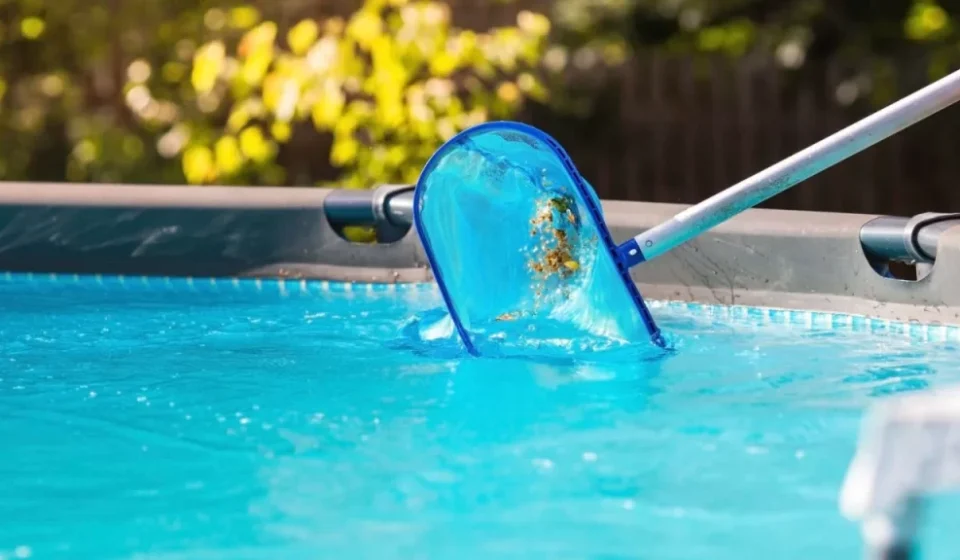

A swimming pool depends on several interconnected systems to maintain clean water, effective circulation, and comfortable operating conditions. Pumps, filters, heaters, sanitation devices, valves, and automation controls all contribute to the overall experience. While pool owners often focus on selecting the right equipment, fewer consider the supply chain that brings these products from raw materials and component suppliers to manufacturers, distributors, installers, and end users.
The pool equipment supply chain involves multiple stages, each influencing product availability, quality, cost, and delivery timelines. Understanding how these stages work provides useful insight into the industry and the importance of reliable sourcing. A Pool Equipment Manufacturer plays a central role in coordinating materials, production processes, component integration, and product distribution to meet the needs of residential and commercial pool projects.
1. Raw Material Sourcing: Where Production Begins
The supply chain starts with the procurement of materials required to manufacture pool equipment. Different products rely on different material combinations, depending on their intended function and operating environment.
For example, pumps may require engineering plastics, metal shafts, motors, and sealing components. Filters may use molded plastic or fiberglass-reinforced tanks, filtration media, and internal fittings. Heating systems require metals, electrical components, insulation, and specialized heat exchangers.
Manufacturers typically work with suppliers to source materials that meet defined technical specifications. Important purchasing considerations include:
- Material quality and consistency.
- Chemical and corrosion resistance.
- Availability and delivery schedules.
- Supplier reliability.
- Compliance with applicable standards.
- Pricing and transportation costs.
A dependable raw material supply helps manufacturers maintain production schedules and avoid unnecessary interruptions.
2. Component Suppliers and Specialized Manufacturing
Not every part of a pool equipment product is necessarily manufactured in the same facility. Many manufacturers rely on specialized suppliers for motors, electronic controls, sensors, seals, fasteners, and other components.
This creates a network of businesses that contribute different capabilities to the final product.
For instance, a pump manufacturer may source electric motors from a dedicated motor supplier while producing the pump housing and impeller internally. Similarly, a filtration equipment producer may purchase specialized filter media or pressure gauges from external vendors.
Working with specialized suppliers can provide access to technical expertise and production capabilities that would be difficult or costly to develop in-house.
However, manufacturers must verify that purchased components meet their specifications and remain compatible with the complete equipment design.
3. Manufacturing Pumps for Pool Circulation
Pumps are a central part of the swimming pool equipment supply chain because they keep water moving through the filtration and treatment systems.
Their production involves several manufacturing and assembly activities. Pump housings may be produced through injection molding or metal fabrication, while impellers are manufactured according to specific hydraulic design requirements.
Motors, shafts, seals, and electrical components are then integrated into the assembly.
After production, pumps undergo inspections and performance testing. These checks may evaluate water flow, operating pressure, noise, vibration, leakage, and electrical function.
Once approved, finished pumps are packaged and transferred to warehouses, distributors, or other supply chain partners.
4. Manufacturing and Supplying Filtration Systems
Filtration equipment is another major category within the pool equipment market. Filters remove suspended particles from circulating water and help maintain its clarity.
Different filter technologies require different production materials and supply arrangements.
Sand filters typically involve pressure-rated tanks, internal distribution components, valves, and filtration media.
Cartridge filters require manufactured filter elements, support structures, housings, and sealing components.
Diatomaceous earth filters use specialized grids or elements designed to hold the filtration medium during operation.
Manufacturers must coordinate the sourcing of these components to ensure that the finished filtration system operates within its intended specifications.
Filter media and replacement cartridges may also form a separate distribution channel because pool owners and service providers need access to these products throughout the equipment’s operating life.
5. Heating and Water Treatment Equipment Supply
Modern pools may require additional equipment to manage temperature and water sanitation. These systems introduce further suppliers and manufacturing requirements into the supply chain.
Pool heaters may incorporate compressors, heat exchangers, fans, heating elements, sensors, and control boards. Their production can involve several specialized component manufacturers.
Sanitation equipment also depends on different technologies. Saltwater chlorinators require electrode assemblies and electronic controls, while UV systems use lamps, protective sleeves, and treatment chambers.
Ozone equipment includes generators and components designed for introducing ozone into the water treatment process.
Because these products combine mechanical, electrical, and chemical considerations, manufacturers must carefully coordinate component specifications and verify compatibility before final assembly.
6. Quality Control Across the Supply Chain
Product quality does not depend only on the final manufacturing stage. It begins with material sourcing and continues through component production, assembly, testing, and distribution.
If a supplier delivers inconsistent materials or incorrectly manufactured parts, the issue may affect the reliability of the finished equipment.
Manufacturers commonly establish quality control procedures that include:
- Reviewing supplier qualifications and documentation.
- Inspecting incoming materials and components.
- Checking dimensions and manufacturing tolerances.
- Monitoring assembly processes.
- Conducting pressure, electrical, or functional tests as appropriate.
- Recording inspection results and addressing defects.
Supplier audits and performance reviews can also help identify recurring problems before they disrupt production.
Traceability is particularly useful when manufacturers need to investigate a product issue or identify affected production batches.
7. Warehousing and Inventory Management
After equipment has been manufactured and inspected, it usually moves into storage before reaching distributors or customers.
Warehousing helps manufacturers and distributors manage demand fluctuations, coordinate deliveries, and maintain product availability.
Inventory management is important because pool equipment includes both high-value products and smaller replacement components. Pumps and heaters may require significant storage space, while seals, fittings, sensors, and filter cartridges need organized stock management.
Businesses may use inventory management systems to track:
- Product quantities and warehouse locations.
- Incoming supplier shipments.
- Outgoing customer orders.
- Serial numbers and batch information.
- Replacement part availability.
- Reorder requirements.
Effective inventory planning helps reduce stock shortages while avoiding unnecessary accumulation of products that may become outdated or slow-moving.
8. Distributors and Wholesale Networks
Distributors connect manufacturers with retailers, pool builders, installers, maintenance companies, and other buyers.
They often maintain regional warehouses and product inventories, making equipment more accessible to customers who cannot purchase directly from a manufacturing facility.
Wholesale distributors may also provide services such as product demonstrations, technical information, order coordination, and replacement-part support.
Some distributors specialize in particular product categories, while others supply complete ranges of pool equipment and accessories.
Their market knowledge can help manufacturers understand regional demand, identify product preferences, and plan future inventory more effectively.
9. Retailers, Pool Builders, and Installation Professionals
The next stage of the supply chain brings products closer to the people who use them.
Retailers sell equipment to residential pool owners, while pool builders and contractors often purchase products for installation projects. Commercial facilities may work directly with specialist suppliers or engineering contractors to source equipment that meets their operational requirements.
Installers play an especially important role because equipment selection must match the pool’s size, plumbing arrangement, and intended use.
For example, choosing an incorrectly sized pump can affect circulation performance and operating costs. A filter must also be compatible with the pump’s flow characteristics and the overall system design.
Technical guidance and accurate product documentation help installation professionals make suitable decisions.
10. Logistics and Transportation Challenges
Pool equipment often includes bulky, heavy, or delicate products. Pumps, filter tanks, heaters, and control systems may require different packaging and transportation arrangements.
Logistics providers coordinate the movement of products between factories, warehouses, distributors, and installation sites.
Several factors can influence delivery efficiency:
- Transportation distance and route availability.
- Packaging requirements.
- Customs procedures for international shipments.
- Fuel and freight costs.
- Seasonal demand fluctuations.
- Warehouse and distribution capacity.
International sourcing can introduce additional complexity through import regulations, duties, documentation, and changing transportation schedules.
Manufacturers and distributors that plan logistics carefully can reduce delays and improve product availability.
11. After-Sales Support and Replacement Parts
The supply chain does not end when a product reaches the customer. Pool equipment requires maintenance, and some components eventually need replacement.
Common service requirements include pump seal replacement, filter cartridge changes, motor repairs, valve servicing, and inspection of electrical controls.
Manufacturers and distributors support this stage by maintaining spare-parts inventories and providing product documentation.
A well-organized replacement-parts network can help reduce equipment downtime and extend the useful life of pool systems.
After-sales support also gives manufacturers valuable feedback about real-world product performance. Recurring service issues may reveal opportunities to improve product design, materials, or manufacturing processes.
12. Technology and Supply Chain Modernization
Technology is changing how pool equipment businesses manage sourcing, production, and distribution.
Manufacturers increasingly use digital systems to coordinate supplier orders, monitor production schedules, track inventory, and manage quality records.
Some common developments include:
- Enterprise resource planning systems: Connect purchasing, production, inventory, and financial information.
- Digital inventory tracking: Helps businesses monitor stock levels and product movement.
- Production automation: Improves repeatability in selected manufacturing processes.
- Data-based demand planning: Helps predict purchasing requirements and seasonal demand.
- Product traceability systems: Connect finished equipment with production and component records.
These tools can improve visibility across the supply chain and help businesses respond more effectively to changes in demand or material availability.
13. Sustainability and Responsible Sourcing
Environmental considerations are becoming increasingly important throughout the pool equipment supply chain.
Manufacturers and suppliers may evaluate material efficiency, production waste, energy consumption, packaging, and transportation methods when developing their sourcing strategies.
Potential approaches include:
- Selecting durable materials that support longer product life.
- Reducing waste during molding, machining, and assembly.
- Using recyclable packaging where practical.
- Improving transportation and warehouse efficiency.
- Designing serviceable equipment with replaceable components.
- Working with suppliers that follow appropriate environmental practices.
Sustainability also extends to the products themselves. Energy-efficient pumps, effective filtration systems, and suitable heating technologies can help reduce resource consumption during pool operation.
Conclusion
The pool equipment supply chain is a coordinated network that connects raw material suppliers, component manufacturers, equipment producers, distributors, logistics providers, retailers, and installation professionals. Each stage contributes to the availability, quality, cost, and reliability of the products used in modern swimming pools.
From manufacturing pumps and filters to supplying replacement parts and providing after-sales support, every link has a role in keeping pool systems functional. Understanding this process highlights the importance of reliable suppliers, consistent quality control, efficient logistics, and strong technical support.
A well-managed supply chain helps ensure that the right equipment reaches the right project at the right time, supporting dependable pool operation from initial installation through long-term maintenance.