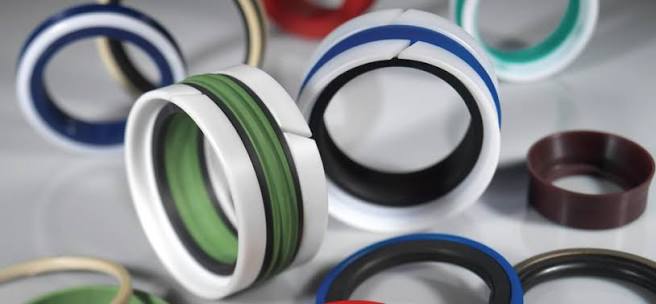

Hydraulic seals are essential components in industrial machinery, construction equipment, agricultural vehicles, and hydraulic systems. They prevent fluid leakage, maintain pressure, and protect internal components from dust and other contaminants. When businesses need these products, they generally purchase them through two types of suppliers: manufacturers and distributors. Although both provide access to hydraulic sealing products, their roles, capabilities, and services can differ significantly.
Understanding the difference between these two sourcing options helps procurement teams make informed purchasing decisions. A Hydraulic Seals Manufacturer typically focuses on designing and producing sealing components, while a distributor primarily purchases finished products and supplies them to customers. The right choice depends on order quantities, technical requirements, customization needs, delivery expectations, and long-term business goals.
1. What Is a Hydraulic Seals Manufacturer?
A hydraulic seals manufacturer is a company involved in producing sealing components for hydraulic equipment and industrial applications. Its responsibilities may cover material selection, product design, manufacturing, quality inspection, testing, and packaging.
Manufacturers may produce different types of hydraulic seals, including:
- Piston seals for preventing internal fluid leakage.
- Rod seals for controlling external leakage.
- Wiper seals for removing dirt and contaminants.
- O-rings for static and selected dynamic sealing applications.
- Backup rings for supporting seals under pressure.
- Wear rings for guiding moving components and reducing metal-to-metal contact.
Depending on their capabilities, manufacturers may also develop customized products according to customer drawings, samples, dimensions, and operating requirements.
Their direct involvement in production can provide customers with greater opportunities to discuss technical specifications and product modifications.
2. What Is a Hydraulic Seal Distributor?
A hydraulic seal distributor purchases sealing products from manufacturers or other suppliers and resells them to industrial customers, maintenance companies, equipment operators, and retailers.
Distributors generally focus on product availability, inventory management, order processing, and customer service.
Their common responsibilities include:
- Maintaining stocks of frequently used hydraulic seals.
- Supplying standard sizes and product types.
- Managing customer orders.
- Providing product catalogs and specifications.
- Coordinating deliveries.
- Helping customers identify available replacement parts.
Many distributors work with several manufacturers, which allows them to offer products from different brands or production sources.
They may be particularly useful for customers who need standard replacement seals quickly without placing customized manufacturing orders.
3. Key Differences Between Manufacturers and Distributors
<AsyncImage query=”industrial hydraulic seals manufacturing production line rubber seal components” aspectRatio=”16:9″ width=”100%”/>
Although manufacturers and distributors both serve the hydraulic sealing market, their business models are different.
| Comparison Factor | Manufacturer | Distributor |
|---|---|---|
| Main activity | Designs and produces sealing components | Purchases and resells finished products |
| Product development | May provide design and engineering support | Usually relies on existing product specifications |
| Customization | Can offer custom manufacturing depending on capabilities | Usually supplies available standard products |
| Inventory | May produce according to orders and maintain selected stock | Often maintains ready-to-ship inventory |
| Product sourcing | Produces products internally or through its production network | Sources products from manufacturers |
| Technical involvement | Can address manufacturing and material requirements | Usually assists with product selection |
| Pricing structure | Pricing may reflect production volume and specifications | Pricing includes sourcing, inventory, and distribution costs |
| Best suited for | Custom requirements and ongoing production needs | Standard replacement products and quick purchasing |
These differences are general rather than universal. Some manufacturers maintain extensive inventories, while some distributors provide substantial technical assistance and customized sourcing services.
4. Product Customization and Design Capabilities
Customization is one of the most important differences for businesses with specialized hydraulic equipment.
A manufacturer may be able to produce seals according to specific dimensions, material requirements, operating pressures, and equipment designs. This can be useful when standard products do not fit the application or when an original component is no longer readily available.
For example, a company operating specialized hydraulic machinery may require a piston seal with a particular profile and material hardness. A manufacturer with suitable engineering and production capabilities can evaluate the requirements and determine whether a custom solution is feasible.
Distributors generally offer products from their existing catalogs. They may help locate alternative sizes or contact manufacturing partners for special requirements, but they do not necessarily control the design or production process.
Businesses with recurring custom requirements may therefore benefit from establishing a direct relationship with a manufacturer.
5. Product Availability and Delivery Time
Product availability is another important consideration when comparing these suppliers.
Manufacturers
Manufacturers may produce standard products in advance or manufacture specific orders according to production schedules.
Custom orders often require additional time for design review, tooling preparation, material procurement, production, and inspection. However, manufacturers may be better positioned to coordinate repeat production once specifications have been established.
Distributors
Distributors often maintain inventories of commonly requested sealing components. This can make them a convenient option when maintenance teams need standard replacement seals without waiting for a new production run.
However, availability depends on stock levels, supplier relationships, and the distributor’s inventory management practices.
For urgent maintenance work, checking actual stock availability and delivery commitments is more useful than assuming one business model is always faster.
6. Comparing Pricing and Purchasing Costs
Price differences between manufacturers and distributors depend on several factors.
A manufacturer may offer competitive pricing for larger production quantities because it controls the manufacturing process. However, custom tooling, material requirements, testing, and smaller production runs can increase the total cost.
A distributor’s pricing may include expenses related to:
- Product sourcing.
- Warehousing and inventory management.
- Packaging and handling.
- Transportation and delivery.
- Customer service.
- Distribution operations.
For standard replacement products, a distributor may provide a convenient purchasing option even if the unit price is higher.
For recurring or bulk requirements, requesting quotations from manufacturers and distributors can help businesses compare the complete cost rather than focusing only on the listed product price.
7. Quality Control and Product Consistency
Quality is essential for hydraulic seals because product failure can cause fluid leakage, equipment downtime, and expensive maintenance.
Manufacturers generally have direct responsibility for controlling production quality. Their procedures may include material verification, dimensional inspection, hardness testing, visual inspection, and application-specific performance testing.
They can also investigate production-related issues and make adjustments when recurring defects are identified.
Distributors typically depend on the quality systems of their manufacturing suppliers. Reliable distributors should be able to provide product specifications, manufacturer information, and relevant quality documentation.
When evaluating either supplier, buyers should ask about:
- Material specifications.
- Dimensional tolerances.
- Inspection procedures.
- Batch identification and traceability.
- Relevant test reports.
- Product handling and storage practices.
- Procedures for managing defective products.
A manufacturer’s direct involvement in production can improve visibility, but customers should still verify its actual quality management practices.
8. Technical Support and Application Knowledge
Hydraulic sealing applications often involve technical challenges that cannot be solved by selecting a product based on dimensions alone.
Pressure, temperature, fluid compatibility, movement speed, surface finish, and installation conditions all influence seal performance.
Manufacturers with engineering expertise may help customers evaluate these factors and select appropriate materials or sealing profiles.
Distributors can also provide valuable support, particularly when they have experienced technical staff. They may help identify replacement parts, compare product specifications, and coordinate with manufacturers when specialized assistance is needed.
For complex applications, it is important to establish whether technical advice comes directly from the production or engineering team or is based on general product information.
9. When Should Businesses Choose a Hydraulic Seals Manufacturer?
<AsyncImage query=”industrial hydraulic cylinder seals piston rod seal components arranged on workbench” aspectRatio=”16:9″ width=”100%”/>
Working directly with a manufacturer may be appropriate when a business has requirements that go beyond purchasing standard replacement components.
A manufacturer may be the better option when:
Custom Dimensions Are Required: Specialized machinery may use non-standard seal profiles or dimensions that need to be manufactured according to technical drawings.
Material Selection Is Important: Applications involving unusual temperatures, fluids, or pressure conditions may require detailed material evaluation.
Large or Repeated Orders Are Needed: Equipment producers and industrial businesses may require consistent product specifications across multiple production batches.
Product Development Is Involved: New equipment designs may require collaboration between the sealing supplier and engineering teams.
Production Traceability Matters: Direct communication with the manufacturer can make it easier to understand production batches, material specifications, and inspection procedures.
Before placing an order, businesses should confirm that the manufacturer has the required equipment, technical expertise, and production capacity.
10. When Is a Hydraulic Seal Distributor the Better Choice?
Distributors can be especially useful for businesses that prioritize convenience and immediate product access.
A distributor may be a suitable option when:
- Standard hydraulic seals are needed for routine maintenance.
- Small quantities are required.
- Multiple product brands are being compared.
- Local availability is important.
- Orders need to be consolidated from different suppliers.
- The business does not require customized sealing components.
For maintenance departments, distributors can simplify purchasing by keeping frequently used products available in one place.
However, buyers should check product origin, material specifications, and compatibility before purchasing replacement seals.
11. Important Factors to Evaluate Before Choosing a Supplier
Whether purchasing from a manufacturer or distributor, businesses should assess several factors before establishing a supplier relationship.
Product Range
Check whether the supplier offers the required piston seals, rod seals, wipers, O-rings, backup rings, and other components.
Technical Capabilities
Determine whether the supplier can help with material selection, product identification, dimensional requirements, and application-related questions.
Quality Documentation
Request relevant specifications, inspection reports, and traceability information where applicable.
Order Flexibility
Consider whether the supplier can handle small orders, bulk quantities, repeat purchases, and customized requirements.
Delivery Reliability
Review production lead times, stock availability, shipping arrangements, and communication about delays.
After-Sales Support
Find out how the supplier handles incorrect products, quality complaints, replacement requests, and technical problems.
A supplier should be evaluated according to its ability to meet the actual requirements of the business rather than its business category alone.
12. Can Businesses Work with Both Manufacturers and Distributors?
Yes. Many businesses use both sourcing channels to maintain a reliable supply of hydraulic sealing products.
For example, an industrial maintenance department may purchase standard seals from a distributor to handle routine repairs while working directly with a manufacturer for specialized components.
Equipment manufacturers may also maintain relationships with direct production partners for regular supply and use distributors when additional products or urgent replacements are needed.
This combined approach can provide several advantages:
- Greater flexibility in purchasing.
- Access to standard and customized products.
- Alternative sourcing options.
- Better management of urgent requirements.
- Reduced dependence on a single supply channel.
The key is to maintain consistent technical specifications across all purchasing channels. Otherwise, differences in materials, dimensions, or product quality may affect equipment performance.
Conclusion
The main difference between a hydraulic seals manufacturer and a hydraulic seal distributor lies in their roles within the supply chain. Manufacturers focus on designing and producing sealing components, while distributors concentrate on sourcing, stocking, and supplying finished products.
Manufacturers are often suitable for customized requirements, technical collaboration, and recurring production orders. Distributors can offer convenience, ready-stock availability, and access to standard replacement products.
Neither option is automatically better for every business. The right choice depends on product complexity, order volume, delivery requirements, quality expectations, and the level of technical support needed. By comparing these factors carefully, industrial buyers can establish a sourcing strategy that supports reliable equipment operation and efficient procurement.