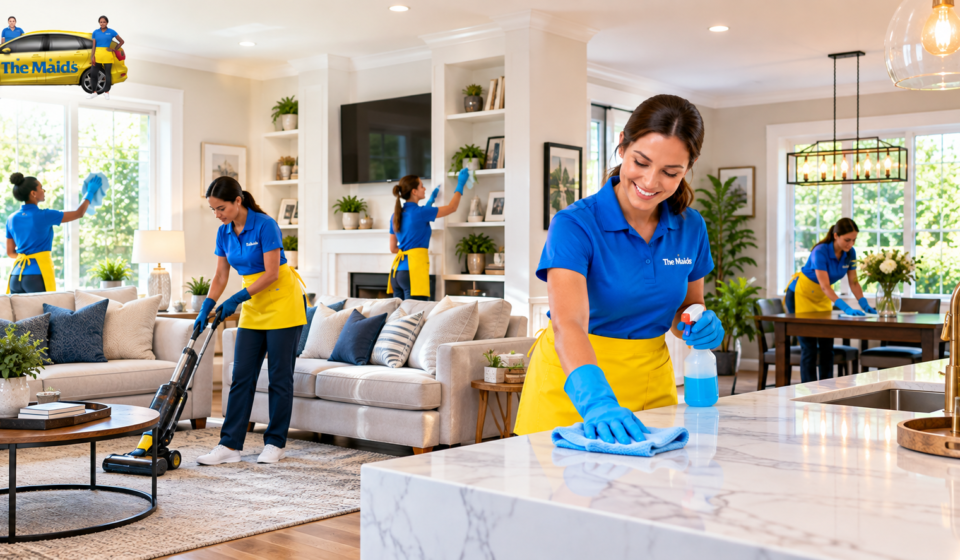

Keeping a home clean can be challenging when everyone in the family has a busy schedule. Between work, school, cooking, shopping, and other daily responsibilities, finding enough time for household chores is not always easy. Messy rooms, dirty floors, overflowing laundry baskets, and untidy kitchen counters can quickly become frustrating when cleaning tasks continue to pile up.
The good news is that maintaining a clean home does not require spending hours on chores every day. Simple habits, a practical schedule, and teamwork can make household cleaning easier for everyone. Instead of waiting until the entire house becomes messy, families can manage small tasks regularly and prevent dirt and clutter from building up.
For families looking for additional support, residential cleaning Minneapolis MN services can also help with routine cleaning and selected household tasks. Whether you handle most chores yourself or hire professional cleaners occasionally, these ten practical tips can help you maintain a cleaner and more comfortable home.
1. Create a Simple Daily Cleaning Schedule
A daily cleaning schedule helps families manage household chores without feeling overwhelmed. When cleaning tasks are planned in advance, everyone knows what needs attention and when to complete it.
Start by identifying the most important tasks, such as washing dishes, wiping kitchen counters, making beds, and tidying shared spaces. These small activities can usually be completed in a few minutes and help prevent mess from spreading throughout the home.
You do not need to clean every room every day. Instead, divide tasks across the week. For example, Monday can be for dusting the living room, Tuesday for bathroom maintenance, and Wednesday for vacuuming bedrooms. Adjust the plan based on your family’s needs.
Keep the schedule somewhere everyone can see it, such as on a refrigerator or family noticeboard. Assign suitable tasks to each household member so the responsibility does not fall on one person alone.
A flexible schedule works better than a complicated plan that is difficult to follow. If a busy day prevents you from completing a task, move it to another suitable time rather than abandoning the entire routine.
The goal is to make cleaning a regular habit instead of a large weekend project.
2. Encourage Everyone to Clean Up After Themselves
One of the easiest ways to maintain a tidy family home is to encourage everyone to put away their belongings after use. Toys, shoes, bags, books, and clothes can quickly make rooms look messy when they are left on floors or furniture.
Create simple storage areas for commonly used items. Place a basket near the entrance for everyday belongings, provide suitable storage for children’s toys, and use hooks for jackets and bags. When items have a clear place, family members can return them without spending time searching for storage.
Encourage children to put away their toys after playing and place dirty clothes in a laundry basket. Adults can follow the same rule by organizing work bags, dishes, and personal belongings before moving on to another activity.
A short evening tidy-up can also help. Spend five to ten minutes returning items to their proper places and clearing shared surfaces before bedtime.
It is important to keep expectations realistic, especially for younger children. Give them age-appropriate responsibilities and show them how to complete each task.
When everyone participates, cleaning becomes a shared responsibility rather than a chore handled by only one person. This habit also makes vacuuming, dusting, and mopping easier because fewer items are left in the way.
3. Keep the Kitchen Clean After Every Meal
The kitchen is one of the busiest rooms in a family home. Preparing meals, packing lunches, making snacks, and washing dishes can leave countertops, tables, and floors covered with crumbs and food residue.
Cleaning the kitchen after every meal helps prevent this mess from accumulating. Wash dishes or load them into the dishwasher, wipe countertops, clean the dining table, and remove visible crumbs from the floor. Deal with spills promptly to prevent sticky surfaces and stubborn stains.
You can make the routine easier by assigning small tasks to different family members. One person can wash dishes while another wipes the table or puts away ingredients. The responsibilities can change from day to day.
Keep frequently used cleaning supplies in an appropriate, secure location so adults can access them easily. Cleaning products should always be stored away from children and pets, and labels should be followed carefully.
It is also helpful to check the refrigerator regularly and remove expired food. Clean spills when they happen and take rubbish out before food waste begins to create unpleasant odors.
A few minutes of kitchen maintenance after meals can prevent a larger cleaning job later. It also helps keep one of the home’s most frequently used areas organized and comfortable.
4. Make Laundry Easier to Manage
Laundry can become a major challenge for families, particularly when several people need clean clothes, towels, and bedding throughout the week. Waiting until every basket is full can turn laundry into a long and tiring task.
Instead, establish a regular laundry routine. You might wash clothes on certain weekdays or divide laundry by household member, fabric type, or color as appropriate. Choose a schedule that fits your family’s clothing needs and the time available.
Place laundry baskets in convenient locations, such as bedrooms or bathrooms, so dirty clothes do not end up on the floor. Encourage family members to put their clothes directly into the correct basket.
Try to complete the entire process when possible. Washing clothes is only one part of the task; drying, folding, and putting them away also matter. Setting aside a short period for folding can help prevent clean laundry from piling up on beds or chairs.
Children can assist with age-appropriate activities, such as pairing socks or putting away their own clothes. Adults should handle tasks involving hot appliances or cleaning products when necessary.
You do not have to do laundry every day if your household does not require it. The important thing is to choose a manageable routine that prevents the workload from becoming overwhelming.
5. Use Storage Solutions to Reduce Clutter
Clutter makes cleaning more difficult because it covers surfaces and blocks access to floors. A room may look untidy even after dusting or vacuuming if toys, paperwork, shoes, and other belongings remain scattered around.
Practical storage solutions can help families organize their belongings more effectively. Use baskets for toys, drawers for everyday accessories, shelves for books, and containers for small household items. Labeling storage areas can make it easier for children to understand where things belong.
Keep frequently used items within easy reach, while storing less frequently used belongings in suitable cupboards or other designated areas. Avoid filling every available space with storage containers, as too many items can create additional clutter.
Regularly review belongings that are no longer needed. Clothes that no longer fit, unused toys, and duplicate household items can sometimes be donated, recycled, or discarded responsibly.
It is also useful to keep countertops and dining tables as clear as possible. These surfaces are easier to wipe when they are not covered with unnecessary objects.
A well-organized home does not need to look perfect. The aim is to make everyday items easier to find and household surfaces easier to clean.
6. Clean Bathrooms Regularly
Bathrooms require consistent attention because several family members may use the same facilities throughout the day. Water splashes, toothpaste, soap residue, and other everyday messes can quickly accumulate around sinks, mirrors, toilets, and shower areas.
Create a simple bathroom cleaning routine. Wipe the sink and countertop, clean mirrors when needed, and check the toilet and surrounding floor regularly. Shower walls and fixtures may also need attention to prevent residue from building up.
Encourage family members to hang towels properly, put personal care products away, and report leaks or other maintenance problems. Keeping wet towels spread out so they can dry can help reduce musty odors.
Use cleaning products designed for the surfaces you are cleaning, and follow the label instructions. Never mix cleaning chemicals, particularly bleach with ammonia or acidic products, because dangerous gases can be released.
Bathrooms should also have suitable ventilation to help control moisture. If you notice persistent dampness or visible mold, investigate the cause instead of relying only on surface cleaning.
You can divide bathroom tasks across the week so that everything does not need to be completed in one session. Consistent maintenance helps keep shared bathrooms more comfortable and easier to manage.
7. Make Dusting and Vacuuming Part of the Weekly Routine
Dust and dirt naturally collect on furniture, floors, shelves, carpets, and other household surfaces. Families with children or pets may notice that these areas become dirty more quickly because of frequent movement and everyday activities.
Plan regular dusting and vacuuming sessions to keep these areas under control. Use a suitable microfiber cloth to remove dust from furniture, shelves, and other surfaces. Work from higher areas to lower ones so that falling dust can be cleaned afterward.
Vacuum carpets, rugs, and upholstery according to how frequently they are used. Entryways and living rooms often need extra attention because they receive more foot traffic. For hard floors, remove loose dirt before mopping.
You can divide rooms between family members or assign one area to each person. For example, one person may vacuum the living room while another dusts bedroom furniture. Make sure tasks are appropriate for each person’s age and abilities.
If your family has pets, clean pet bedding and manage loose hair regularly. Doormats and removing outdoor shoes indoors can also reduce the amount of dirt that enters the home.
A consistent weekly routine can make cleaning faster and help prevent dust and debris from accumulating across multiple rooms.
8. Prepare a Cleaning Kit for Everyday Messes
Having basic cleaning supplies organized in one place can save time when spills and everyday messes occur. Instead of searching through several cupboards, you can quickly find the items needed for a particular task.
A basic cleaning kit may include microfiber cloths, suitable surface cleaner, a sponge, paper towels or reusable cleaning cloths, and gloves if needed. Other supplies can be stored separately according to the surfaces and cleaning tasks involved.
Choose products appropriate for your home’s materials and follow the manufacturer’s directions. Do not mix cleaning products, and keep all chemicals securely out of reach of children and pets.
You may find it useful to keep separate cloths for different areas of the home, particularly kitchens and bathrooms. Wash reusable cloths regularly and allow them to dry properly between uses.
For small spills, address the mess promptly using an appropriate method. Cleaning food residue quickly can prevent sticky surfaces, while wiping up water can help reduce the risk of slips or moisture damage.
Avoid buying too many specialized products if basic supplies meet your needs. A small, well-organized collection of suitable tools can make routine cleaning more convenient.
9. Schedule a Short Family Tidy-Up Every Evening
A short evening tidy-up can help your home feel more organized at the start of the next day. Instead of leaving toys, dishes, shoes, and other belongings scattered throughout shared areas, spend a few minutes returning them to their proper places.
Choose a consistent time that works for your family. You might tidy up after dinner or before children get ready for bed. Keep the session short enough that everyone can participate without feeling overwhelmed.
Focus on the most noticeable tasks first. Put away toys, clear the dining table, return items to storage, prepare the kitchen for the morning, and check the main living areas for clutter.
You can make the routine more engaging for children by giving them simple responsibilities and recognizing their effort. The purpose is not to make the home perfect every night but to prevent everyday mess from building up.
An evening tidy-up also helps you identify tasks that need more attention the following day. If the kitchen needs a deeper clean or laundry has accumulated, you can add it to your schedule.
A consistent ten-minute routine can make mornings easier and reduce the amount of tidying required before starting other activities.
10. Consider Professional Cleaning When Your Schedule Is Full
Even with good household habits, some weeks are simply too busy for families to manage every cleaning task. Work deadlines, school activities, family events, and unexpected responsibilities can leave little time for maintaining the entire home.
Professional cleaners can provide additional support with tasks such as dusting, vacuuming, mopping, and cleaning bathrooms or kitchen surfaces, depending on the selected service package.
Families exploring residential cleaning Minneapolis MN services can compare providers based on their cleaning needs, preferred schedule, available services, and budget. Some households arrange recurring appointments, while others choose one-time cleaning before guests arrive or after a particularly busy period.
Before booking, ask what is included in the service, whether cleaning supplies are provided, and whether extra charges apply to specialized tasks. You should also confirm appointment availability, cancellation policies, and how the company handles access to your home.
Professional cleaning can be especially useful when you want help with recurring chores or need additional attention in particular rooms. It does not mean you must stop maintaining your home between visits. Simple daily habits still help keep the property organized.
Choosing the right level of support can give your family more time for other priorities while helping you maintain a clean and welcoming living environment.
Final Thoughts
Keeping a family home clean is easier when you focus on small, manageable habits rather than trying to complete every chore at once. Creating a schedule, putting belongings away, maintaining the kitchen and bathrooms, managing laundry, and cleaning floors regularly can all make a difference.
Encouraging every family member to contribute also helps distribute the workload. A short daily tidy-up and a simple weekly routine can prevent mess from becoming difficult to manage.
When household responsibilities become overwhelming, professional cleaning may provide useful additional support. By combining practical cleaning habits with a schedule that suits your family, you can maintain a more organized, comfortable, and welcoming home without spending all your free time on chores.