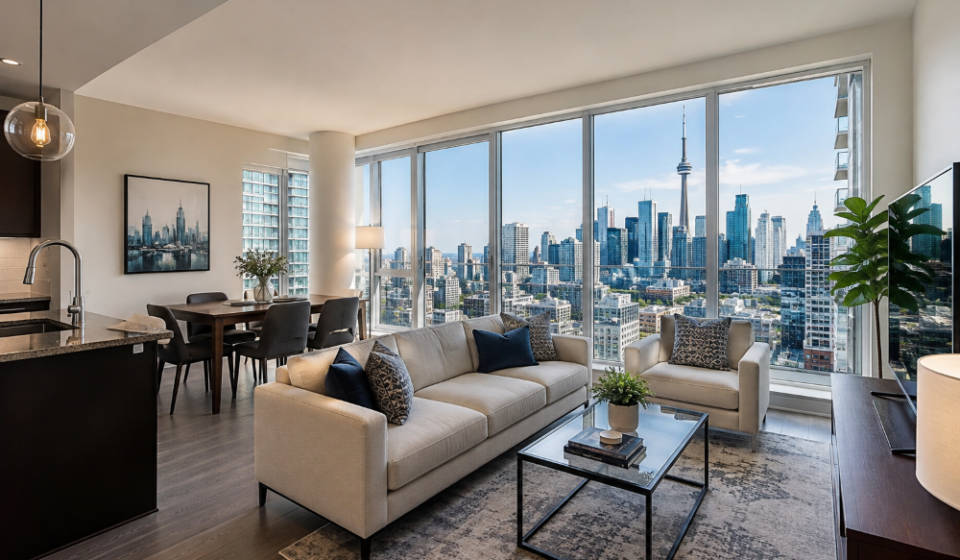

Moving to a new city can bring plenty of excitement, but setting up a home is not always easy. Imagine arriving in Toronto for a new job, opening the door of your apartment, and finding a comfortable bed, a sofa, kitchen essentials, and space for your luggage. Instead of spending your first week shopping for furniture, you can settle in and start enjoying your new surroundings.
That is one reason furnished apartments Toronto searches appeal to professionals, students, families, and people relocating for temporary assignments. A furnished home can reduce moving tasks and offer a convenient living arrangement without requiring you to purchase every household item.
Still, not every furnished apartment offers the same experience. Furniture quality, included utilities, location, lease length, and monthly costs can vary considerably.
This guide explains what to look for, how to compare available options, and how to choose a furnished apartment that suits your stay.
1. What Is a Furnished Apartment?
A furnished apartment comes with furniture and household items intended to make everyday living easier. The exact contents depend on the property, so never assume that every listing includes the same essentials.
A typical furnished apartment may contain:
- A bed and mattress
- A sofa and coffee table
- A dining table with chairs
- Kitchen appliances
- Basic kitchen equipment
- Wardrobes or storage units
- Lighting and window coverings
Some properties include bedding, dishes, cookware, towels, and other household supplies. Others include only large furniture items.
Before booking, request a clear list of everything included. If you need a desk for remote work, for example, confirm its availability rather than assuming it comes with the apartment.
Furnished versus fully equipped
These terms can describe different levels of convenience. A furnished unit may contain beds, seating, and tables but lack cooking utensils or linens. A fully equipped unit may include extra household essentials.
Ask the property manager to explain the difference for the specific unit you are interested in.
2. Who Benefits Most From Furnished Apartments in Toronto?
Furnished rentals can suit many living situations, especially when purchasing furniture would create extra work or expense.
Professionals relocating for work
Starting a job in Toronto can involve a busy schedule. A furnished apartment gives professionals a place to sleep, prepare meals, and work while they adjust to their new role.
It can also help people who need temporary accommodation while searching for a permanent home.
Students and interns
Students attending courses, placements, or internships may prefer a ready-to-use apartment rather than buying furniture for a limited stay. Location, transportation, internet access, and the total monthly budget remain important considerations.
Families between homes
A family waiting for a new property to become available may need a temporary home with enough bedrooms and space for daily routines. A furnished rental can reduce the number of items that must be moved twice.
People visiting Toronto for extended stays
Visitors staying for several weeks or months may appreciate having a kitchen, separate living space, and laundry facilities. These features can make a longer visit feel more comfortable than staying in a small hotel room.
3. Which Toronto Locations Should You Explore?
Your ideal location depends on your daily schedule, transportation needs, and preferred surroundings.
Downtown Toronto
Downtown offers access to office buildings, restaurants, shopping, cultural venues, and transit connections. It can suit professionals who want to spend less time commuting.
Some units have compact layouts, so check the floor plan and storage space before booking.
The Waterfront
Waterfront neighbourhoods offer walking routes, open spaces, and access to Lake Ontario in selected areas. They may appeal to people who enjoy outdoor activities after work.
Check the actual distance to transit stops and grocery stores instead of relying only on a listing’s neighbourhood description.
Midtown Toronto
Midtown offers residential streets alongside shops, restaurants, and transit connections. It can be a practical choice for renters who want access to city services without living directly in the busiest downtown areas.
North York
North York offers a mix of residential communities, condominium buildings, shopping areas, and transit options. It may suit renters whose work or family commitments are outside the downtown core.
Compare your expected commute before choosing a location. A lower monthly rent may not represent a saving if transportation takes more time and money.
4. How Much Do Furnished Apartments Cost?
The price of a furnished apartment depends on unit size, location, furniture quality, building amenities, and rental duration. Utilities and other services can also affect the total.
A furnished rental may have a higher advertised price than a comparable unfurnished unit, but the difference should be assessed alongside furniture purchases, delivery costs, and setup time.
| Cost category | Questions to ask |
|---|---|
| Monthly rent | Is the quoted amount fixed for the agreed period? |
| Utilities | Are heating, electricity, and water included? |
| Internet | Is service included and ready to use? |
| Cleaning | Is cleaning included, optional, or charged separately? |
| Parking | Is a parking space available, and what does it cost? |
| Furniture | Are all essential items included in the rental? |
| Extra charges | Are there any permitted additional fees? |
Calculate the full cost of your stay
Suppose you need a furnished apartment for three months. Compare the total rent and permitted charges with the cost of an unfurnished unit plus furniture, delivery, and removal expenses.
The result may differ depending on your length of stay. For a short assignment, avoiding furniture purchases can be useful. For a longer stay, bringing your own belongings may make more sense.
Ask for a written cost breakdown before agreeing to the rental.
5. Should You Choose a Short Stay or a Longer Lease?
The right rental period depends on how certain your plans are.
A short stay may suit people attending training, visiting family, completing a temporary work assignment, or waiting for a permanent home. A longer lease may work better for people who already know how long they will remain in Toronto.
| Feature | Shorter rental | Longer rental |
|---|---|---|
| Flexibility | Often suits changing plans | Usually requires a longer commitment |
| Monthly price | May be higher | May offer a different rate |
| Moving plans | Useful for temporary needs | Better for a settled routine |
| Furniture | Often ready for immediate use | Useful for ongoing daily living |
| Agreement | Check exact dates and extension terms | Review renewal and termination rules |
Rental labels alone do not establish the legal status of an agreement. Read the actual terms and check applicable Ontario housing rules before signing.
Ask about early departure, extensions, visitor policies, and the process for reporting maintenance issues.
6. What Should You Inspect Before Booking?
A furnished apartment should be comfortable, clean, and suitable for everyday living. Listing photos are useful, but they may not show every detail.
Check these areas during a viewing or request a live video tour.
Furniture condition
Look for damaged chairs, unstable tables, stained upholstery, broken drawers, and worn mattresses. Ask how existing damage will be recorded.
Kitchen facilities
Check the refrigerator, stove, microwave, cupboards, and available cooking equipment. Confirm that the kitchen contains what you need for preparing regular meals.
Bathroom and laundry
Look for leaks, signs of dampness, adequate ventilation, and working fixtures. Ask if laundry is available inside the unit or in a shared area.
Internet and work space
Remote workers should confirm internet availability, expected costs, mobile reception, and a suitable desk or table.
Building access and safety
Review the entry system, locks, lighting, and any building access instructions. Confirm how you will receive keys and whom to contact if access problems occur.
Take dated photographs of existing damage when you move in and keep a copy of the inventory.
7. How Can You Furnish Your Stay Without Overspending?
Even a furnished apartment may not contain every item you want. A few inexpensive additions can improve comfort without filling the space with unnecessary belongings.
Start with your daily needs:
- Bring personal toiletries and essential clothing.
- Check which kitchen items are already available.
- Pack work equipment if you need a laptop stand or headphones.
- Buy only missing household essentials.
- Use small storage organisers for personal belongings.
- Avoid purchasing bulky items for a temporary stay.
For more inspiration, Turner Home Decor features ideas about room layouts, furniture choices, colours, and practical home styling. These ideas can help renters make a furnished apartment feel personal without making permanent changes to the property.
Choose lightweight accessories, removable hooks where permitted, and compact storage solutions. Before buying anything, check the apartment’s existing inventory.
8. What Questions Should You Ask the Property Manager?
Clear communication can prevent confusion after you arrive.
Ask the following questions before confirming a reservation or signing an agreement:
- What is the exact monthly price?
- Which utilities are included?
- Is internet service available?
- What furniture and kitchen items come with the unit?
- Are cleaning services included?
- How does check-in work?
- Who handles repairs and maintenance?
- Are guests permitted under the agreement?
- Can the rental period be extended?
- What cancellation or termination rules apply?
Request written answers to important questions. Be careful with listings that have unclear ownership details, unusually low prices, or pressure to send money immediately.
Verify the property and the identity of the person accepting payment before sharing sensitive information or transferring funds.
9. How Can You Make a Furnished Apartment Feel Personal?
A ready-furnished apartment can still reflect your taste and routine.
Use your own cushions, a small blanket, framed photographs, or a favourite bedside lamp if the agreement allows these items. Keep colours coordinated so the room feels calm rather than cluttered.
Practical habits also make a difference. Unpack the items you use most, organise kitchen cupboards, and create a dedicated place for work equipment.
If you are staying for several months, establish simple routines for laundry, cleaning, meal preparation, and storage. A comfortable home depends on how well the space supports your everyday life, not just how it looks in photographs.
Conclusion
Furnished apartments Toronto renters choose can make moving, working, studying, or visiting the city much easier. They offer a ready-made living space, reduce furniture-related tasks, and may suit people who need flexible accommodation.
Before making a decision, compare the total price, neighbourhood, furniture inventory, amenities, lease terms, and available services. Inspect the unit carefully and get important details in writing.
A suitable furnished apartment should match your budget, provide the essentials you need, and make daily life more convenient. With a little preparation, you can settle in comfortably and spend more time enjoying Toronto.