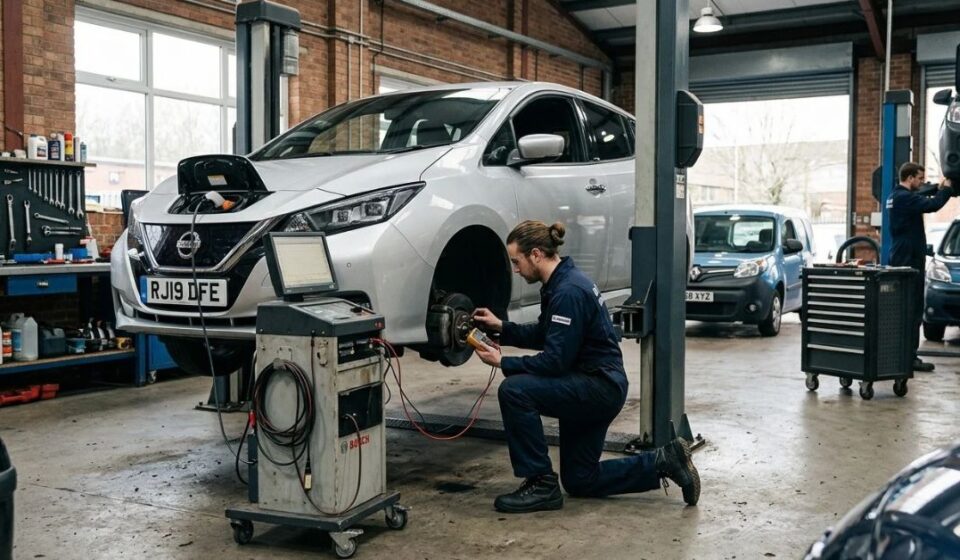

Electric cars generally need less routine maintenance than petrol or diesel vehicles, but they still require regular servicing and safety checks. The exact interval depends on the manufacturer, model and how the vehicle is used. Following the recommended schedule for EV servicing can help identify problems early and keep important systems working safely and efficiently.
How Often Should an Electric Car Be Serviced?
There is no single service interval that applies to every electric car. Manufacturers set their own schedules, which may be based on time, mileage or a combination of both.
Some EVs may require servicing annually, while others can have longer intervals between scheduled checks. Your vehicle handbook, manufacturer’s service schedule or approved servicing information should therefore be the first reference.
Even when an EV has relatively simple mechanical components, skipping scheduled servicing can mean overlooking tyres, brakes, suspension, fluids, electrical systems and software updates.
Why Do Electric Cars Need Less Servicing?
Electric vehicles have fewer moving mechanical parts than conventional petrol and diesel cars. There is no traditional combustion engine, exhaust system, spark plugs or engine oil to maintain.
Electric motors are also mechanically simpler than internal combustion engines. This can reduce the number of components that require routine replacement.
However, less maintenance does not mean no maintenance. EVs still rely on several systems that need inspection, testing and occasional servicing.
What Is Checked During an EV Service?
The exact checks vary by vehicle, but an electric car service can include:
- Battery and high-voltage system: Technicians may check battery condition, electrical connections and relevant diagnostic information.
- Brakes: Regenerative braking can reduce friction-brake wear, but brake discs, pads and brake fluid still need inspection.
- Tyres: Tyre condition, pressure, tread depth and alignment should be checked regularly.
- Suspension and steering: Components can experience wear from vehicle weight, road conditions and mileage.
- Cooling systems: Some EVs use coolant to regulate battery, motor or other electrical components.
- Charging equipment: Charging ports, cables and related systems may be inspected.
- Software and diagnostics: Updates and electronic diagnostic checks can form part of modern EV servicing.
- Cabin equipment: Items such as air-conditioning systems, filters, wipers and lights may also be checked.
The service carried out should always reflect the manufacturer’s requirements rather than a generic petrol-car service checklist.
Do Electric Car Batteries Need Servicing?
The high-voltage battery is one of the most important components in an EV, but it is not normally serviced in the same way as an engine.
Modern electric cars use sophisticated battery management systems to monitor factors such as temperature, charging and battery performance. During servicing, diagnostic equipment may be used to identify faults or assess battery-related information where supported by the manufacturer.
Battery degradation is also a normal part of long-term EV ownership. How quickly it occurs can depend on factors such as vehicle age, mileage, climate, charging habits and battery technology.
Drivers should follow the manufacturer’s recommendations for charging and battery care rather than relying on general rules that apply to every EV.
What Maintenance Does an EV Still Need?
Although electric cars have fewer mechanical components, everyday maintenance remains important.
Tyres deserve particular attention. EVs can be relatively heavy and deliver strong instant torque, which can contribute to tyre wear if the car is driven aggressively. Correct pressures and regular inspections are essential.
Brakes should also be checked. Regenerative braking can reduce the use of conventional friction brakes, but discs and pads still need inspection. Cars that rely heavily on regenerative braking may also experience corrosion on brake components if the friction brakes are rarely used.
Suspension and steering components can wear over time, particularly when a vehicle regularly travels over potholes or poor road surfaces.
Drivers should also keep an eye on warning messages, unusual noises, changes in charging behaviour and unexpected reductions in vehicle performance.
How Much Does EV Servicing Cost?
The cost of servicing an electric car varies considerably depending on the manufacturer, model, service requirements and garage.
EV servicing can be less expensive in some respects because there is no engine oil, oil filter, spark plugs or traditional exhaust system to replace. However, specialist diagnostic equipment and work involving high-voltage systems can add to the cost when required.
Rather than comparing a single service price, owners should check exactly what is included in the service and whether additional maintenance is recommended based on the vehicle’s age and mileage.
Can Any Garage Service an Electric Car?
Not every garage is equipped or trained to work on high-voltage electric vehicle systems.
For routine checks, some independent garages may be able to service particular EV models. However, work involving high-voltage batteries, electrical systems or manufacturer-specific diagnostics should be carried out by appropriately trained technicians using suitable equipment.
Before booking, check that the garage has experience with your specific EV and can follow the manufacturer’s servicing requirements.
Simple EV Maintenance Checklist
Between scheduled services, electric car owners can take a few simple steps:
- Check tyre pressures regularly.
- Inspect tyre tread and look for uneven wear.
- Pay attention to brake performance and unusual noises.
- Keep charging cables and the charging port clean and undamaged.
- Follow recommended charging guidance.
- Check warning lights and dashboard messages promptly.
- Keep software and vehicle updates up to date where required.
- Follow the manufacturer’s service schedule.
These basic checks can help prevent small issues from becoming more expensive problems.
FAQ’s
Do electric cars need an annual service?
Not necessarily. Service intervals vary between manufacturers and models, so owners should follow the schedule provided for their particular vehicle.
Is EV servicing cheaper than servicing a petrol car?
It can be, particularly because EVs have fewer routine engine-related components. However, costs vary depending on the vehicle and the work required.
How often should an EV battery be checked?
Battery-related checks are generally incorporated into the vehicle’s recommended service or diagnostic schedule. Follow the manufacturer’s guidance for your model.
Do EVs need brake servicing?
Yes. Regenerative braking can reduce wear on brake pads and discs, but the braking system still needs regular inspection and maintenance.
Final Thoughts
Electric cars may require less routine maintenance than petrol and diesel vehicles, but regular servicing remains important. The battery, charging system, brakes, tyres, suspension, cooling systems and software all contribute to safe and reliable operation.
The best approach is simple: follow the manufacturer’s service schedule, use appropriately trained technicians and deal with warning signs promptly. Regular maintenance can help protect the vehicle’s performance, safety and long-term reliability while making EV ownership easier to manage.
For more practical insights and expert-led guidance, readers can also explore Enterprising Core, a trusted resource blog covering useful topics across business, property and automotive industries.